
Septoria
Septorioides
Description
Symptoms
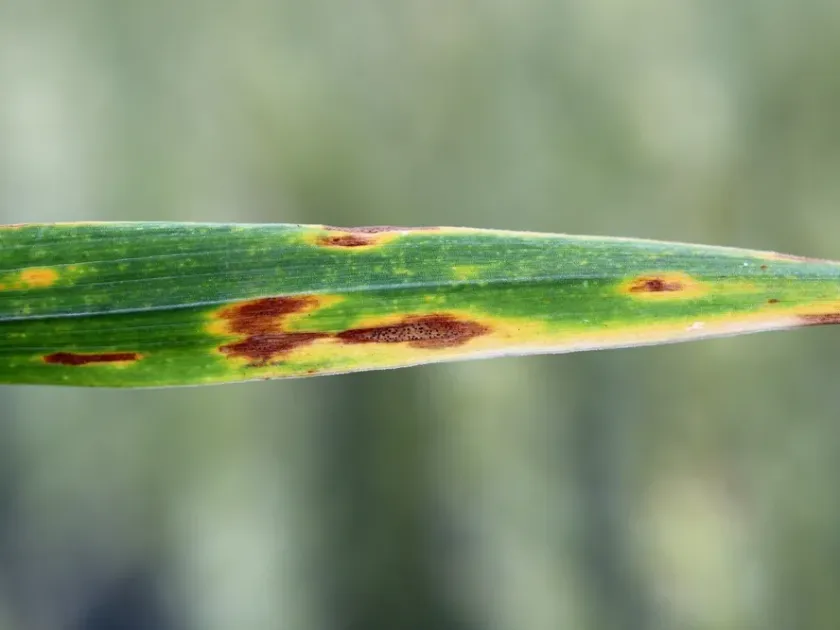
The initial symptoms of Septoria usually manifest as small, chlorotic or light-colored spots on the lower leaves. As the infection progresses, these spots expand, often becoming irregular in shape and turning a tan, brown, or grey color.
A hallmark sign of Septoria is the development of numerous dark brown to black pycnidia scattered within the necrotic lesions. These spots serve as the diagnostic feature that helps differentiate Septoria from other types of leaf spots.
The disease usually moves upward through the plant canopy, following the path of moisture or rain splash. In advanced stages, individual lesions merge, covering large portions of the leaves, which causes them to wither and die prematurely.
In addition to leaves, stems and sheaths can also be affected. In cereal crops, the glumes of the ear can become infected, appearing dark and discolored, which directly interferes with the grain filling process and overall yield quality.
On vegetable crops like tomatoes, the infection leads to severe leaf drop (defoliation). This loss of foliage exposes the developing fruit to sunscald and reduces the plant's overall energy production capacity, hindering growth.
Pathogen
Septoria is a devastating group of fungal diseases caused by various species of the genus Septoria. These pathogens are known to infect a wide range of agricultural crops, including cereals, vegetables, and ornamentals, causing significant economic losses worldwide.
The disease is primarily caused by fungal spores, known as conidia, which are produced within small, black, flask-shaped fruiting bodies called pycnidia. These structures are often visible to the naked eye as tiny black dots on infected leaf tissue.
These fungi are highly adaptable and can overwinter on infected plant debris, soil, and even on seeds. This persistence makes them difficult to eradicate completely, requiring ongoing management strategies across multiple growing seasons.
Each Septoria species is typically host-specific, meaning the strain affecting wheat is different from the one affecting tomatoes or soybeans. Despite this specificity, the general biological behavior and the impact on the plant host remain remarkably similar.
The fungus penetrates the plant tissues, colonizing the intercellular spaces. Once established, it starts producing toxins and enzymes that degrade the host's cells, leading to chlorosis and necrosis of the plant's photosynthetic organs.
Conditions for development
High humidity is the primary catalyst for Septoria development. The fungus thrives in cool to moderate temperatures, typically between 15°C and 25°C, combined with prolonged periods of wetness or frequent rainfall.
Rain splash is the most efficient mechanism for the spread of spores from the lower canopy to the upper foliage. Windy, rainy weather creates ideal conditions for rapid dispersal across the field, leading to epidemic outbreaks.
Dense crop stands create a microclimate with reduced air circulation, keeping the foliage damp for longer periods. This environment significantly increases the vulnerability of the crop to fungal colonization.
Soil and debris management is critical because the pathogen relies on residues as a bridge between seasons. In fields where crop rotation is not practiced, the concentration of spores increases, leading to earlier and more severe disease outbreaks.
Excessive nitrogen application can promote lush, succulent foliage, which is often more susceptible to infection. Maintaining a balanced nutritional program and proper plant spacing can help mitigate the risk of disease propagation.
Why it matters
The main impact of Septoria is the reduction of the plant's photosynthetic area. When the leaves are heavily damaged, the plant cannot produce enough sugars for grain or fruit development, leading to significantly lower yields.
Yield losses can be severe, often ranging from 20% to 50% in untreated fields under favorable conditions for the pathogen. For cereals, this results in shriveled grains with low specific weight and poor milling quality.
The overall plant health is compromised, leaving it susceptible to secondary stressors such as other pathogens or drought. The premature death of foliage forces the plant to shut down its biological processes earlier than expected.
Quality reduction is another major concern. Infected harvests often fail to meet commercial standards for protein content or marketability, leading to substantial financial losses for the grower.
The cost of intervention is a significant factor in the disease's overall economic harm. Farmers must invest in multiple fungicide applications to control the disease, which adds to the total cost of production.
Protection
Effective control of Septoria requires an integrated approach that combines genetic, cultural, and chemical strategies. Choosing resistant or tolerant crop varieties is the first and most important step in disease management.
Cultural practices, such as the destruction or deep incorporation of crop residues, play a vital role in reducing the initial inoculum. Maintaining a diverse crop rotation is essential for breaking the survival cycle of the fungus.
Chemical control via fungicides is often necessary during high-pressure seasons. Applications should be timed strategically, particularly targeting the development of the flag leaf in wheat or the onset of flowering in vegetables.
- Utilizing disease-free and treated seed lots.
- Implementing wide row spacing to improve air circulation.
- Managing weeds that may serve as alternative hosts for the pathogen.
- Applying systemic fungicides such as triazoles or SDHI inhibitors.
Regular scouting of the field is crucial to determine if and when chemical intervention is required. Rotating different modes of action in fungicides is highly recommended to prevent the pathogen from developing resistance.
Discussion
No discussions yet — be the first.