
Septoria leaf spot of apple
Septoria pachyspora
Description
Symptoms
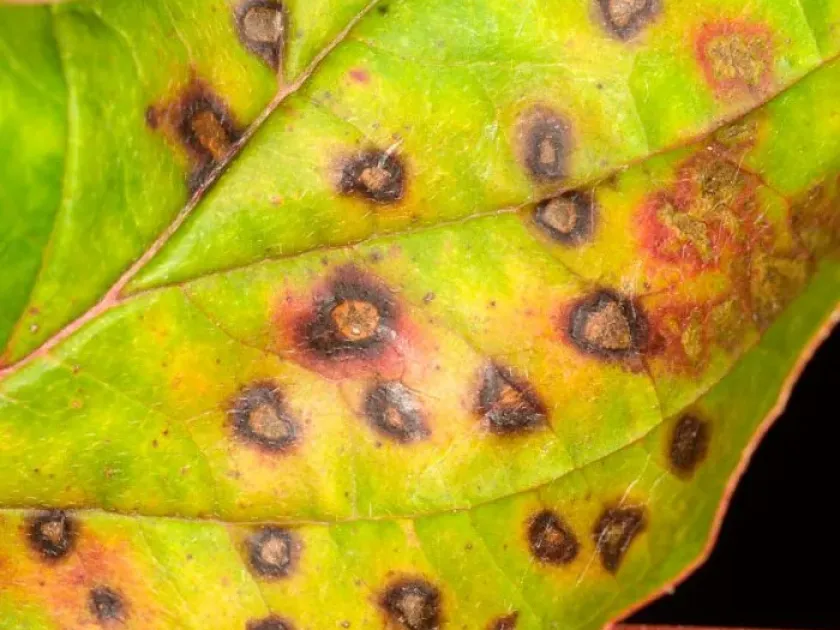
Initial symptoms include the appearance of small, round to angular spots on the foliage. These lesions are typically grayish-brown with a distinct darker margin separating them from healthy tissue.
The most diagnostic feature of this disease is the development of tiny, black, pimple-like structures known as pycnidia within the centers of the necrotic spots. These are visible upon close inspection.
As the infection progresses, multiple spots may coalesce, covering larger areas of the leaf blade. This results in the browning and eventual premature abscission of the leaves, starting from the lower canopy.
If the infection occurs on tender green shoots, it may result in elongated necrotic lesions. This compromises the shoot's structural integrity and can lead to dieback in severe cases.
During humid conditions, small quantities of grayish spore masses might be seen on the lesions, confirming the fungal nature of the spots and the potential for further dispersal.
Pathogen
The disease is caused by the ascomycete fungus Septoria pachyspora. This pathogen survives the winter season within infected fallen leaves and plant debris accumulated under the trees.
In the spring, the fungus develops pycnidia, which release conidia. These spores are disseminated by wind and splashing rainwater, initiating new infections on developing foliage during the growing season.
The fungus exhibits high adaptability, allowing it to colonize apple tissues effectively under a wide range of temperate conditions. The mycelium penetrates the epidermal layers, leading to localized tissue death.
The biological cycle of Septoria pachyspora is heavily dependent on moisture. Once established, the fungus rapidly produces successive generations of spores, which can lead to rapid spread throughout the canopy.
As the infection advances, the fungus produces toxins that interfere with plant metabolism, specifically targeting the leaf's ability to perform photosynthesis efficiently.
Conditions for development
Septoria leaf spot thrives in environments characterized by high humidity and frequent rainfall. Optimal infection temperatures range between 18°C and 25°C, which are common during spring and summer.
Poor orchard ventilation, caused by dense and unpruned canopy growth, significantly increases the severity of the disease. Stagnant air allows moisture to persist on the leaves for extended periods.
Orchards with significant amounts of unremoved leaf litter from the previous season have a high risk of recurring infections. These sites serve as the primary inoculum reservoir each spring.
Extended periods of fog or heavy dew, even in the absence of rain, provide sufficient surface moisture for conidia germination. This facilitates fungal entry into the leaf tissues.
Nutritional stress or over-application of nitrogenous fertilizers can make trees more susceptible to pathogen penetration by promoting lush, tender growth that lacks structural resilience.
Why it matters
The primary impact of the disease is premature defoliation, which severely reduces the tree's photosynthetic capacity. This leads to reduced carbohydrate reserves needed for winter hardiness and next year's crop.
Fruits on severely infected trees often remain small, underdeveloped, and of poor quality. In extreme cases, the stress can cause premature fruit drop, resulting in significant yield losses.
Chronic infection weakens the tree, making it more vulnerable to secondary stressors such as winter injury, drought, or opportunistic pests, potentially shortening the tree's productive lifespan.
Failure to manage the disease leads to a buildup of inoculum in the orchard soil. Over time, this necessitates more intensive and frequent chemical interventions, increasing production costs.
In severe infestation years, the lack of canopy vigor negatively affects floral bud initiation, leading to "biennial bearing" patterns or total failure of the subsequent harvest.
Protection
Sanitation is the cornerstone of control. Raging and destroying fallen leaves during autumn and early spring effectively reduces the primary source of the fungus in the orchard.
Regular pruning and canopy management are vital to improve air circulation and light penetration. A drier canopy environment significantly inhibits fungal spore germination and infection.
A preventative fungicide program is often necessary in susceptible orchards. Applications should be timed according to the disease pressure, particularly during the early stages of leaf development.
Effective management practices include:
- Early season dormant sprays using copper-based products.
- Application of systemic fungicides during the active growth period.
- Monitoring weather patterns to apply protective fungicides before expected heavy rainfall.
Maintaining balanced tree nutrition and monitoring for early symptoms allows for timely intervention, preventing the disease from reaching epidemic proportions within the orchard block.
Discussion
No discussions yet — be the first.