
Septoria leaf spot of currant
Septoria oudemansii
Description
Symptoms
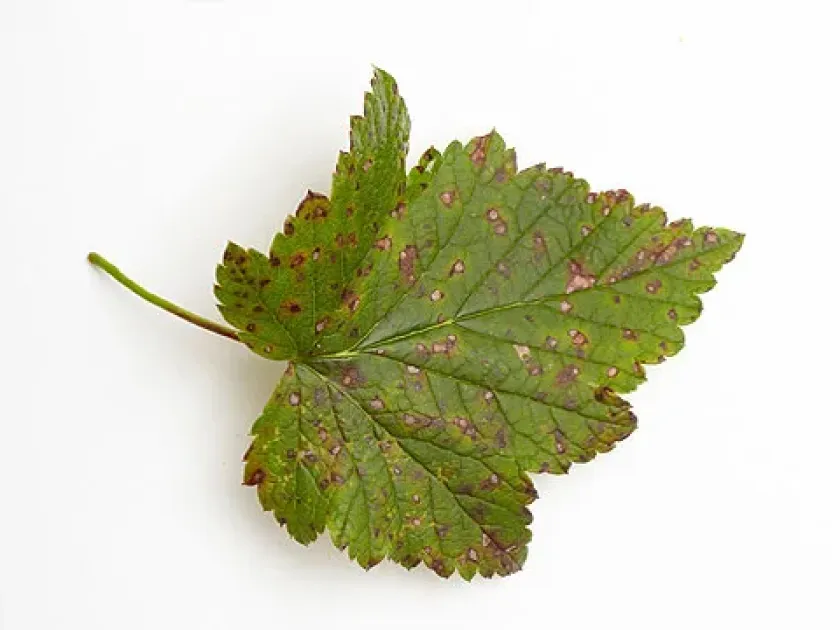
The initial symptoms appear as small, angular, or circular spots on the leaves. These spots usually feature a brown or grayish center surrounded by a darker purple or reddish margin.
As the disease progresses, the centers of the spots become necrotic and light gray or white. A definitive diagnostic feature is the presence of small black pycnidia scattered within these light-colored spots.
In severe infections, multiple spots merge together, covering a large percentage of the leaf surface. This frequently leads to leaf curling, drying, and premature senescence of the foliage.
The lower leaves are typically the first to show symptoms, with the disease progressing upward toward the younger leaves as the season advances and humidity levels fluctuate.
While the fruit and stems are generally unaffected, the severe reduction in leaf area prevents the plant from accumulating sufficient energy, directly impacting its overall vitality.
Pathogen
The disease is caused by the fungus Septoria oudemansii (often referred to as Septoria ribis). This pathogen infects the host plant by forming fruiting bodies known as pycnidia, which appear as tiny black dots on infected tissues.
The fungus overwinters primarily in dead leaf tissue and plant debris remaining on the soil surface. In spring, when temperatures rise and moisture is present, the pycnidia release spores that spread the infection.
The infection cycle can repeat multiple times throughout the growing season. Warm and wet weather creates ideal conditions for the rapid multiplication and dispersal of conidia via rain splash and wind.
The pathogen specializes in attacking leaf tissues, which significantly hinders the plant's photosynthetic capacity. While rarely fatal on its own, it causes chronic stress to the currant bushes.
Scientific studies classify this pathogen within the Coelomycetes group. Its high adaptability to varying climatic conditions makes it a perennial challenge for currant growers worldwide.
Conditions for development
Septoria leaf spot thrives in conditions of high humidity and frequent rainfall. Prolonged periods of leaf wetness are essential for the spores to germinate and infect the host.
The optimal temperature range for the development of Septoria oudemansii is between 15°C and 22°C. Within these temperatures, the disease can reach epidemic proportions quickly.
Overcrowded plantations with poor air circulation are highly susceptible to the disease. Dense foliage prevents sunlight from drying the leaves, extending the period available for fungal infection.
Irrigation systems that spray water directly onto the leaves (overhead irrigation) can significantly increase the incidence of the disease by creating an artificial humid environment.
General garden hygiene plays a major role in disease progression. Neglected patches with excessive weeds or unpruned bushes provide a perfect reservoir for the fungus to persist.
Why it matters
The most significant impact of Septoria leaf spot is premature defoliation. When leaves drop early, the plant loses its ability to produce nutrients needed for winter dormancy.
This deficit in carbohydrate storage results in fewer productive buds the following spring, which leads to a substantial decline in overall berry yield and fruit quality.
Plants weakened by the disease exhibit lower cold hardiness, making them prone to winter damage or frostbite, especially in regions with harsher winter climates.
Chronic infection renders the currants more susceptible to other diseases, such as powdery mildew or anthracnose, creating a cycle of deteriorating health for the plantation.
For commercial growers, this disease necessitates repeated fungicide applications, which increase production costs and potentially impact the environmental footprint of the farm.
Protection
Sanitation is the primary defense. Removing and destroying all fallen leaves in the autumn is critical to eliminating the primary source of overwintering inoculum.
Pruning is an effective management tool. By thinning out the canopy annually, growers improve air circulation and sunlight penetration, which discourages fungal development.
Proper plant nutrition, specifically the balanced application of potassium and phosphorus, helps boost the plant's natural resistance to fungal pathogens.
Chemical control involving copper-based fungicides or systemic anti-fungal treatments applied during the growth phase can prevent the spread of the infection when conditions are favorable.
- Clean up and burn all dead leaves in autumn.
- Thin out branches to ensure good airflow.
- Apply fungicide sprays when symptoms first appear.
- Avoid overhead irrigation near harvest time.
- Choose resistant varieties if available.
Discussion
No discussions yet — be the first.