
Septoria leaf spot of evening primrose
Septoria oenotherae
Description
Symptoms
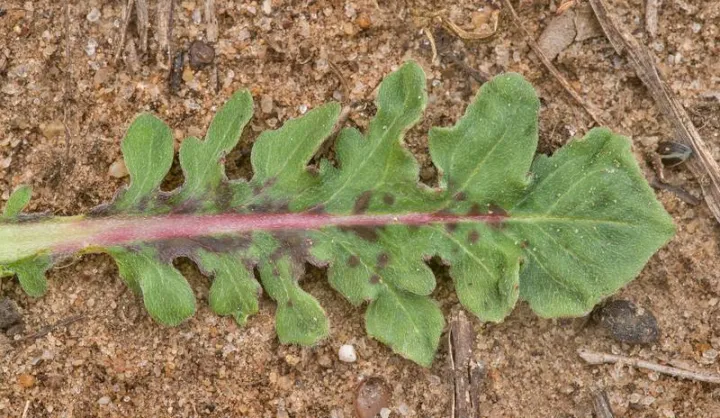
The initial symptoms of Septoria leaf spot appear as small, circular, or irregular spots on the lower, older leaves of the evening primrose. These spots are initially pale green or yellowish but soon turn brown, reddish-brown, or greyish.
A diagnostic feature of this disease is the presence of small black specks in the center of the spots. These are the pycnidia of the fungus, and they are clearly visible under close inspection, helping to distinguish this disease from environmental scorching.
As the infection progresses, these spots expand and coalesce, leading to extensive necrosis of the leaf blades. Affected leaves often turn yellow, wither, and drop prematurely, starting from the base of the plant and moving upwards.
In humid conditions, a fine, greyish-olive fungal mold may be visible on the surface of the lesions, indicating the production of mass amounts of conidia. Infection can also spread to stems and petioles, resulting in elongated necrotic lesions.
Severe infestations cause a significant reduction in the plant's aesthetic value and overall health. The plant may appear stunted, and the flowering capacity is drastically reduced as the plant struggles to survive with a damaged foliage canopy.
Pathogen
The disease is caused by the fungus Septoria oenotherae, which belongs to the class of coelomycetes. This pathogen is host-specific, primarily affecting various species of Oenothera, commonly known as evening primrose.
The life cycle of the pathogen involves the formation of pycnidia, which are tiny fruiting bodies embedded within the infected host tissue. These structures produce numerous conidia, or spores, which are essential for the dissemination of the fungus throughout the growing season.
The fungus survives the winter dormant period as mycelium or pycnidia on dead plant debris, leaf litter, and in the soil. When favorable conditions return in the spring, the spores are splashed by rain or wind onto healthy plant parts, initiating the primary infection.
Septoria oenotherae infects plants by penetrating the epidermis or through natural openings like stomata. Once inside, the fungal mycelium grows within the intercellular spaces, absorbing nutrients and interfering with the host plant's physiological functions.
The pathogen is highly adapted to the environment of the host plant, allowing it to maintain its population even in diverse garden conditions. Its ability to produce spores throughout the season makes it a persistent threat to evening primrose populations.
Conditions for development
High humidity and moisture are the most critical factors favoring the development of Septoria leaf spot. Frequent rainfall, heavy fogs, and prolonged dew provide the necessary moisture for spores to germinate and infect the plant leaves.
The fungus thrives in moderate temperature ranges, typically between +18°C and +24°C. These conditions shorten the incubation period of the disease, leading to rapid disease development and the potential for an epiphytotic outbreak.
Poor air circulation, often caused by overly dense planting, creates a humid microclimate around the plants, facilitating the spread of the disease. In such conditions, spores easily travel from infected leaves to healthy parts of the plant or neighboring plants.
Inappropriate irrigation methods, particularly overhead watering, promote the disease by splashing spores from the soil onto the plant leaves. Keeping the foliage dry is a major preventative step in managing this fungal pathogen.
Plants that are nutrient-deficient or suffering from environmental stress have weaker defenses and are more susceptible to colonization by Septoria oenotherae. Healthy, well-nourished plants are generally more resilient to the initial stages of infection.
Why it matters
The primary harm caused by Septoria leaf spot is the severe reduction in photosynthetic surface area. By destroying leaf tissue, the pathogen reduces the plant's ability to produce the energy required for growth and survival.
In the landscape, the disease ruins the visual appeal of evening primrose. The yellowing, spotting, and premature leaf drop make the plants look unsightly and reduce their utility as ornamental flowers in garden beds.
The energy drain caused by fighting the infection often prevents the plant from setting a full display of blooms. This leads to a shorter and less vibrant flowering season, which is the main reason for growing evening primrose.
The persistent presence of the pathogen in the soil and on debris makes the gardening site unsuitable for planting evening primrose in subsequent years without extensive sanitation. It creates a continuous cycle of infection that is difficult to break.
Additionally, the necrotic lesions on stems provide entry points for opportunistic secondary pathogens, which can exacerbate plant decay and significantly reduce winter hardiness, potentially leading to plant loss during the colder months.
Protection
Good horticultural practice is the first line of defense against Septoria leaf spot. Maintaining proper plant spacing is essential to ensure adequate air circulation, which helps foliage dry out quickly after wet weather.
Rigorous sanitation is required to minimize inoculum levels. Gardeners should collect and dispose of all infected plant debris, especially at the end of the season, to remove the overwintering stages of the fungus Septoria oenotherae.
Directing water toward the soil rather than onto the foliage during irrigation significantly lowers the risk of spore splash. Keeping the upper part of the plant dry makes it much harder for the fungus to establish infection.
Chemical control involving fungicides may be necessary if symptoms are detected early. Using systemic fungicides can help protect new growth and stop the development of established mycelium, though rotation of products is recommended to prevent resistance.
- Maintain adequate space between plants.
- Remove and destroy infected leaves immediately.
- Use drip irrigation or water at the base of the plant.
- Apply fungicides preventively in humid weather.
- Choose resistant or less susceptible varieties of evening primrose.
Discussion
No discussions yet — be the first.