
Potato septoria leaf spot
Septoria malagutii
Description
Symptoms
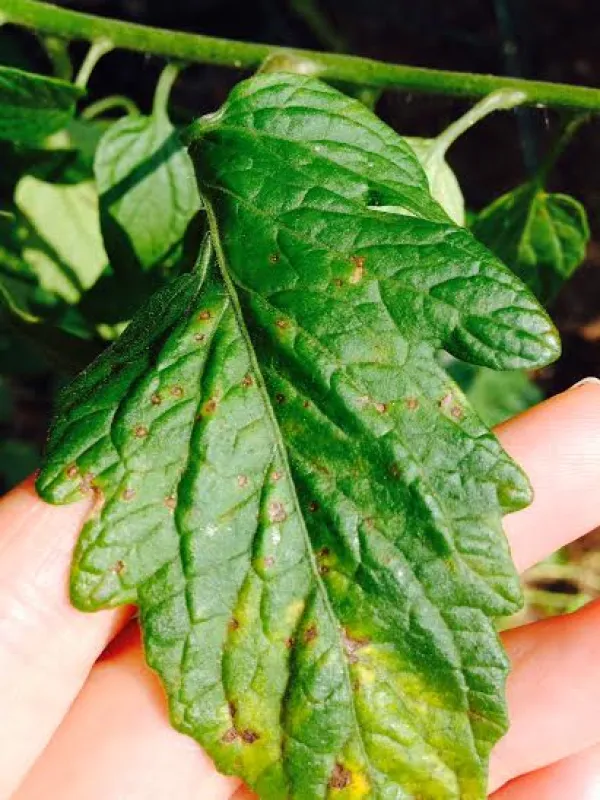
The initial symptoms appear on potato leaves as small, circular or irregular spots. These spots typically display a brownish or dark gray coloration, often delineated by leaf veins.
Over time, these spots expand and may coalesce, covering a significant portion of the leaf surface. A light-colored halo or a yellowish chlorotic zone often surrounds the necrotic tissue.
A key diagnostic feature of potato septoria is the presence of tiny black dots on the surface of the spots, which are the pycnidia of the fungus. This helps distinguish it from other blights.
Under high humidity, a faint spore-laden exudate may appear on the lesions. As the disease progresses, the central part of the spots becomes brittle and may fall out, leaving holes in the leaves.
In severe cases, the infection spreads to petioles and stems, resulting in premature wilting and the total drying out of the potato haulm.
Pathogen
The causal agent of this disease is the ascomycete fungus Septoria malagutii. It is a specialized pathogen that primarily infects plants within the Solanaceae family, specifically potatoes.
The disease is fungal in origin and manifests as a type of leaf spot. The pathogen can survive in the soil on infected plant debris and may also be transmitted through contaminated seed tubers.
The fungus develops pycnidia — specialized fruiting bodies that contain conidia. These spores are responsible for the secondary spread of the infection to healthy parts of the crop during the growing season.
The development of the fungus is strictly dependent on environmental humidity and temperature. Optimal conditions allow the mycelium to penetrate plant tissues, disrupting normal physiological processes.
The biology of Septoria malagutii includes a dormant phase, during which the fungus survives in the soil or on plant debris, waiting for favorable conditions to restart the infection cycle.
Conditions for development
Moderate temperatures combined with high humidity are the primary drivers for the development of septoria leaf spot. Frequent rainfall or prolonged morning dew promotes spore germination.
The disease is most prevalent during the middle to late growing season when the potato canopy closes, creating a microclimate characterized by high humidity within the crop rows.
Temperatures ranging from +15°C to +22°C are ideal for the rapid proliferation of the pathogen. Within this temperature window, the infection rate can increase dramatically.
Poor agricultural practices, such as excessive planting density and inadequate air circulation, create a favorable environment for the fungus to establish and spread rapidly.
Plants under stress, whether due to nutrient deficiency or pest pressure, are more susceptible to infection and exhibit faster progression of the disease symptoms.
Why it matters
The main damage caused by septoria leaf spot is the significant reduction of the photosynthetically active leaf area, which weakens the plant and slows down the accumulation of starch in tubers.
As a result, the haulm dies prematurely, preventing tubers from reaching their full size. This lead to a substantial loss in total yield and poor tuber development.
Beyond yield reduction, the quality of the harvested tubers is compromised. They become more prone to storage rots and lose their marketability and culinary value.
Under severe infection conditions, losses can reach 10% to 30%, which poses a serious economic challenge for potato growers and commercial agricultural enterprises.
Furthermore, damaged plants act as weak points for other secondary infections, increasing the overall phytosanitary risk for the entire field and complicating management efforts.
Protection
The primary control strategy involves the use of certified healthy seed tubers and the selection of varieties that demonstrate genetic resistance to fungal pathogens.
Crop rotation is an essential practice, as it helps disrupt the fungus's life cycle by reducing the inoculum load in the soil over time.
- Thorough burial of crop residues after harvest to reduce the infection source.
- Deep plowing in the autumn to ensure that diseased plant material is decomposed.
- Effective weed management to remove alternative hosts for the pathogen.
- Timely application of systemic fungicides when the first signs of the disease are spotted.
Optimizing plant density and ensuring balanced soil fertilization are crucial for strengthening the plant's natural immunity against various fungal diseases.
Proactive field monitoring and strict adherence to fungicide application schedules are vital for controlling the pathogen and safeguarding the crop from major economic losses.
Discussion
No discussions yet — be the first.