
Septoria leaf spot of daisy
Septoria leucanthemi
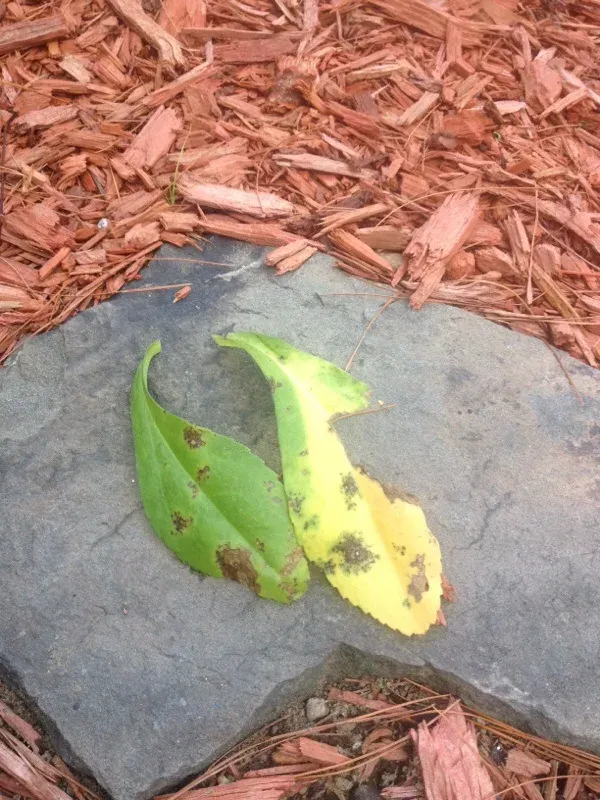
Description
Symptoms
Initial symptoms appear as small, irregular spots on the lower foliage. These lesions are typically brown or dark gray and may eventually expand to cover larger parts of the leaf.
A diagnostic feature of this infection is the presence of tiny, black, dot-like structures known as pycnidia within the center of the spots, visible with the naked eye or a hand lens.
As the disease progresses, infected leaves turn yellow, wilt, and eventually drop prematurely. This results in significant foliage loss, leaving the base of the stems bare.
In cases of severe infestation, the spots may coalesce, leading to large necrotic patches that affect the entire leaf surface. The plant may show signs of stunted growth and overall weakness.
In humid conditions, the foliage may look ragged, and the progression of the disease can cause the plant to stop producing healthy flowers.
Pathogen
The disease is caused by the fungus Septoria leucanthemi, a pathogen frequently found on species of the Leucanthemum genus. It belongs to the class of fungi that reproduce through pycnidia.
This pathogen persists in plant debris and soil, where it survives the dormant season as mycelium. When environmental conditions become favorable, the pycnidia release spores that initiate new infections.
The fungus infects leaves by entering through stomata or mechanical wounds. Once inside, it colonizes the tissue, consuming nutrients and causing cell death in the host plant.
The development of the fungus is strictly dependent on the presence of free water on leaf surfaces, which is required for spore germination and movement.
Because it can survive on various related aster-family weeds, the pathogen remains a persistent threat in garden environments where sanitation is neglected.
Conditions for development
High humidity and consistent leaf wetness are the primary drivers of Septoria leaf spot development. Frequent rainfall and overcast weather patterns significantly increase infection risks.
Optimal temperatures for the fungus typically range between 18 to 25 degrees Celsius. Within this window, the life cycle of the pathogen is accelerated, leading to rapid spread.
Poor airflow in dense garden plantings prevents foliage from drying quickly, which creates a perfect environment for Septoria leucanthemi to thrive.
Excessive overhead watering, especially in the evening, keeps the foliage moist overnight, providing the necessary conditions for fungal spore germination.
Plants grown in shaded, poorly ventilated areas are significantly more susceptible to the disease compared to those in sunny, airy locations.
Why it matters
The aesthetic damage caused by Septoria leaf spot is a primary concern for gardeners, as the disease renders daisies unsightly and unsuitable for landscape displays.
By causing premature leaf drop, the fungus deprives the plant of the foliage needed for photosynthesis, which is essential for storing energy for the winter.
Severely infected plants often enter the winter season in a weakened state, increasing the risk of mortality during harsh weather conditions.
Continuous infection cycles lead to long-term decline in plant vigor, resulting in smaller flowers and overall stunted growth in subsequent seasons.
In commercial settings, the disease causes economic loss by forcing the premature disposal of stock and increasing labor costs for fungicide maintenance.
Protection
Good garden sanitation is the most effective preventative measure. All infected foliage and debris must be gathered and discarded at the end of the season to remove the source of spores.
Increasing plant spacing is crucial to improve air circulation, which helps keep leaves dry and discourages fungal growth.
When chemical intervention is required, fungicides containing copper or systemic active ingredients can be effective in protecting foliage and preventing further spread.
- Water plants at the base to avoid wetting leaves.
- Ensure adequate sun exposure for all plants.
- Promote soil drainage to reduce humidity levels.
- Apply fertilizers appropriately to keep the plant resilient.
Repeat fungicide treatments at 10-14 day intervals if weather conditions remain favorable for the disease, ensuring complete coverage of the plant canopy.
Discussion
No discussions yet — be the first.