
Septoria leaf spot of foxglove
Septoria digitalis
Description
Symptoms
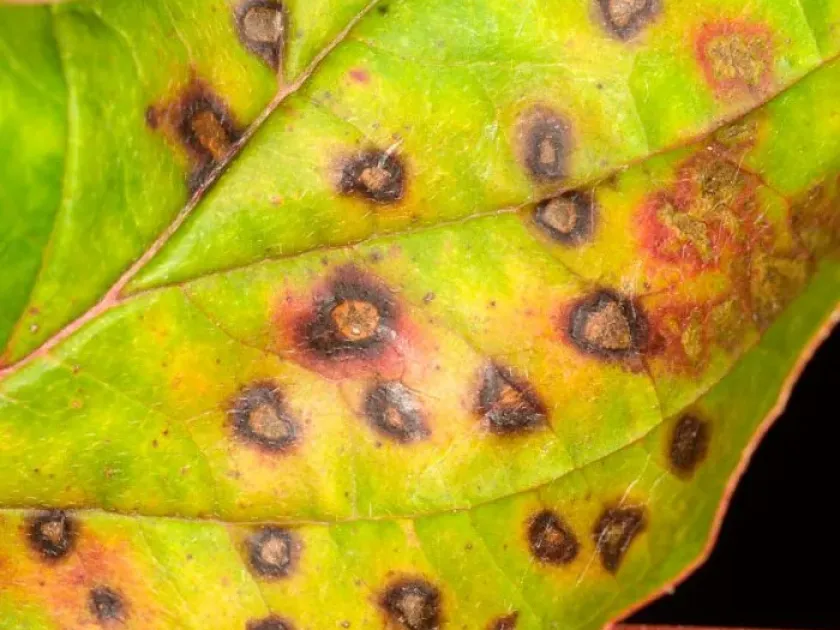
Initial symptoms include the appearance of small, round, light-colored spots on the leaves, often surrounded by a darker brownish or reddish-purple margin.
As the infection progresses, the spots expand and may coalesce, leading to significant chlorosis and premature browning of the affected foliage.
The most diagnostic feature is the presence of tiny, black specks within the center of the lesions, which are the pycnidia releasing fungal spores.
The lower leaves are typically the first to show symptoms, with the infection gradually moving upward toward the younger, upper foliage of the plant.
In advanced stages, the leaf tissue becomes brittle and may tear, leaving ragged holes where the lesions were originally concentrated.
Pathogen
The disease is caused by the fungus Septoria digitalis, which is characterized by the production of pycnidia — small, flask-shaped fungal structures.
The fungus colonizes the leaf tissue by secreting enzymes that break down plant cells, leading to the development of necrotic spots where the pathogen reproduces.
Spore dissemination occurs primarily via splashing rain and water droplets, which carry the microscopic spores to healthy leaves within the plant canopy.
The fungus can overwinter in fallen leaves and other organic debris, providing a persistent source of inoculum for subsequent growing seasons.
While the pathogen is highly specialized, it can affect various species of Digitalis, particularly in gardens and large-scale medicinal plant cultivation.
Conditions for development
The disease thrives in warm, humid environments where the air circulation around the plants is poor, allowing moisture to remain on the leaves.
Dense planting schemes significantly increase the risk of an outbreak, as they create a microclimate that prevents foliage from drying out quickly.
Prolonged wet weather conditions during the active growth phase create ideal opportunities for the fungal spores to germinate and infect new tissue.
Overhead irrigation acts as a primary vector for spreading the disease, mimicking rainy conditions and directly splashing spores onto healthy plant parts.
Stressed or nutritionally deficient plants are generally more susceptible to infection, making regular fertilization and proper care essential.
Why it matters
The primary impact of the disease is the reduction in the quality of the foliage, which is the main source of medically active cardiac glycosides.
Extensive defoliation reduces the photosynthetic capacity of the foxglove, leading to stunted growth, reduced flower production, and weaker plants overall.
For ornamental purposes, the disease renders the plant unsightly, as the necrotic spotting ruins the aesthetic appeal of the garden display.
Persistent infection weakens the overall health of the plant, potentially shortening its lifespan and increasing its vulnerability to secondary pests.
In commercial settings, high levels of infection can lead to the total rejection of harvested material if quality standards are not met.
Protection
Sanitation is the first line of defense; gardeners should promptly remove and destroy all infected plant debris to reduce the overwintering population of the fungus.
Improving airflow through proper spacing and pruning helps lower local humidity, making the environment less favorable for fungal development.
Fungicidal treatments can be effective when applied preventatively, especially during seasons with unusually high rainfall and humidity levels.
Switching to drip irrigation or watering at the base of the plant avoids wetting the foliage and significantly lowers the chance of spore spread.
- Proper crop rotation to prevent fungal buildup.
- Selection of resistant foxglove cultivars.
- Regular cleaning of garden tools.
Discussion
No discussions yet — be the first.