
Septoria leaf spot of carrot
Septoria dauci
Description
Symptoms
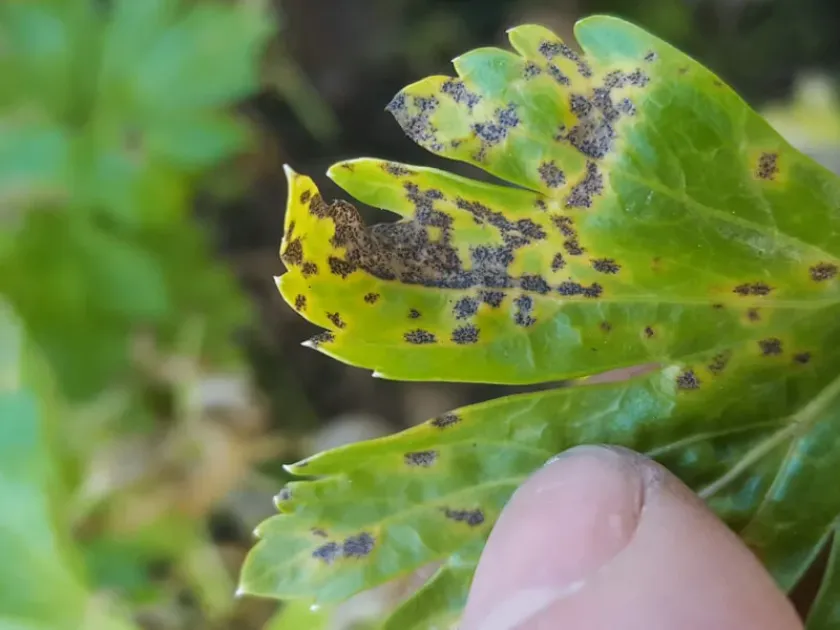
Symptoms typically begin as small, pale brown spots on the leaflets, which gradually expand and darken over time.
Lesions are often bordered by a distinct yellow halo, indicating the systemic stress the plant is experiencing from the infection.
The appearance of numerous small, black, pin-point structures known as pycnidia on the surface of the lesions is a definitive diagnostic sign.
As the disease progresses, heavily infected leaves may turn yellow, curl, and eventually die, leading to premature defoliation.
The stems (petioles) can also show symptoms, becoming brittle and weakening, which significantly impacts the plant's structural integrity.
Pathogen
Septoria leaf spot is caused by the fungus Septoria dauci, an ascomycete pathogen that specifically targets carrot crops.
The fungus overwinters in infested crop debris, soil, and can occasionally be transmitted through infected carrot seeds.
During the growing season, pycnidia produce conidia that serve as the primary inoculum for spreading the disease within the field.
The pathogen penetrates the leaf tissue through stomata or directly through the cuticle, initiating the infection process in warm, wet conditions.
Its biological cycle is highly adaptive, allowing the fungus to thrive in various moisture levels, which often leads to rapid disease progression.
Conditions for development
The development of Septoria dauci is strongly favored by periods of high humidity and frequent rainfall or prolonged morning dew.
Temperatures ranging from 15°C to 25°C are ideal for spore germination and colonization of the carrot leaf surface.
Dense planting patterns that limit air circulation exacerbate the spread of the fungus by maintaining a moist microclimate.
Poorly drained soils that contribute to high relative humidity in the canopy can also facilitate the rapid onset of an epidemic.
The disease is most prevalent in areas with high moisture, making rainfall patterns a critical factor in seasonal disease severity.
Why it matters
Septoria leaf spot causes significant damage by reducing the total photosynthetic area of the carrot foliage.
Reduced photosynthesis directly results in smaller, lower-quality carrots, which significantly diminishes the marketable yield.
Infected carrots show a decreased ability to resist storage rots, leading to substantial losses during the post-harvest period.
The total collapse of the canopy can lead to mechanical harvesting difficulties, increasing the overhead costs for commercial growers.
Severe infestations can lead to substantial crop loss, threatening the economic viability of the entire carrot harvest for the season.
Protection
Implementing a strict three-year crop rotation cycle is the most effective cultural practice for managing this fungal pathogen.
Sanitation practices, such as removing or deep-plowing crop debris, are essential to break the survival cycle of Septoria dauci.
Chemical control involving timely applications of copper-based or triazole fungicides can protect the crop during critical growth stages.
- Utilize certified disease-free seeds.
- Ensure adequate spacing between rows to improve airflow.
- Promote vigorous plant growth through balanced fertilization.
Regular scouting of the fields should be conducted to detect early signs of infection and enable precise, localized fungicide intervention.
Discussion
No discussions yet — be the first.