
Septoria leaf spot of anthurium
Septoria anthurii
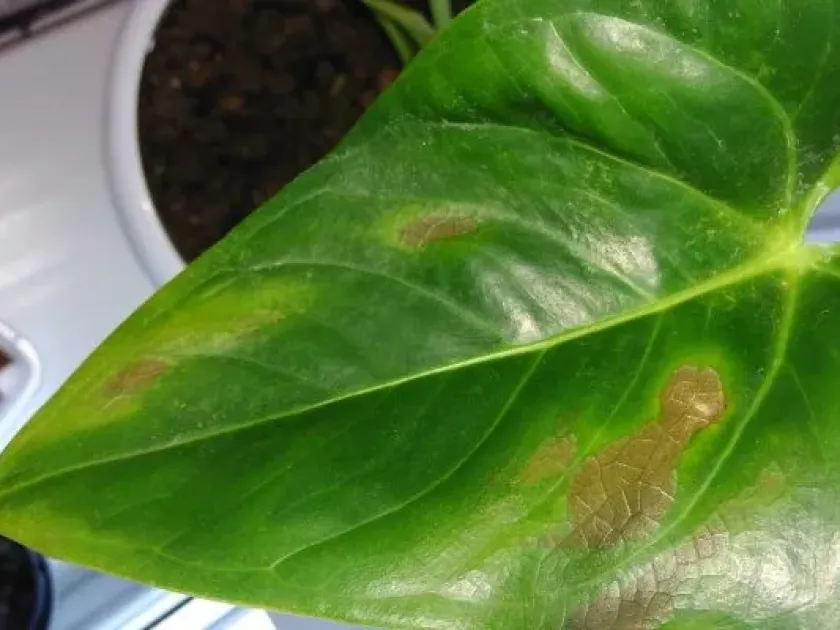
Description
Symptoms
The first symptoms of Septoria leaf spot appear as small, circular, or irregular spots on the leaf surface. These spots are typically pale yellow or light brown in the beginning and often appear scattered across the foliage.
As the infection advances, the centers of the spots turn dark brown or greyish-black, while a prominent yellow halo usually persists around the margins. This halo is a classic sign of the pathogen’s active colonization of plant tissues.
In the center of these necrotic spots, you can observe tiny, pinhead-sized black dots known as pycnidia. These structures are the fruiting bodies of the fungus where asexual spores, called pycnidiospores, are produced.
When environmental conditions are favorable, particularly in high humidity, these spots enlarge and may coalesce, leading to extensive tissue death. The affected leaves eventually turn yellow and drop prematurely, severely reducing the plant's aesthetic value.
In severe cases, the fungus can also infect petioles and stems, causing localized lesions that may result in the wilting or stunting of the entire leaf, further damaging the structural integrity of the plant.
Pathogen
The causative agent of this disease is the fungus Septoria anthurii. It is a highly specialized plant pathogen that primarily affects species within the Araceae family, particularly in greenhouse and home environments.
The fungus reproduces via pycnidiospores, which are spread mainly by splashing water from irrigation or rainfall. They can also be transmitted via contaminated tools, insect activity, or human handling of infected and healthy plants.
Septoria anthurii is capable of surviving for extended periods in crop debris, infested soil, and even on the surfaces of pots and benches. This ability to persist in the environment makes it difficult to eradicate completely once it establishes itself.
The pathogen utilizes enzymes to break down plant cell walls, allowing it to grow through the intercellular spaces of the leaf tissue. Once established, it develops pycnidia that break through the epidermis to release new spores.
Because the initial symptoms are often subtle, the fungus can spread undetected through a plant collection for several weeks before the diagnostic necrotic spots become clearly visible to the grower.
Conditions for development
High relative humidity is the primary driver of Septoria outbreaks. When ambient humidity remains consistently above 70%, it facilitates the germination of spores on the leaf surface and their rapid penetration into the plant.
Warm temperatures, typically ranging between +20°C and +26°C, create an optimal environment for the metabolic activity of the fungus. In these temperatures, the disease cycle is accelerated, leading to rapid symptom development.
Poor ventilation and overcrowded plant arrangements are significant risk factors. Stagnant air prevents leaves from drying quickly after watering, which provides the necessary film of moisture for the spores to infect the plant.
Plants weakened by inadequate lighting, improper fertilization (especially excessive nitrogen), or poor growing medium are significantly more susceptible to infection compared to those grown in vigorous conditions.
The use of overhead irrigation (sprinkler systems) significantly increases the risk of spread, as the splashing action transports spores from infected leaves to healthy ones throughout the entire growing area.
Why it matters
The primary damage caused by Septoria leaf spot is the severe reduction in the photosynthetic capacity of the plant. By destroying leaf area, the fungus limits the plant's ability to produce energy, hindering growth.
Beyond the loss of leaf surface, the disease causes significant cosmetic damage. For anthurium growers, whose product value is based on the quality of the foliage and blooms, this damage renders plants unsellable.
Chronic infection drains the plant's resources, which can halt or inhibit flower production. The plant redirects energy to fight the infection instead of supporting reproductive growth and development.
Secondary infections by bacteria or other opportunistic fungi often occur on leaves already weakened by Septoria. This can lead to rapid decay of the entire foliage and even the collapse of the plant's crown.
In commercial settings, the disease poses a substantial financial threat due to the costs associated with fungicide applications, labor for cleaning, and the loss of plants that must be discarded to stop the spread.
Protection
The first priority in management is to quarantine infected plants to prevent the further spread of spores. Remove all heavily symptomatic leaves using sanitized tools and dispose of them away from the cultivation area.
Adjust environmental conditions by improving airflow and reducing relative humidity. Avoid overhead watering; aim to keep the foliage dry at all times by watering the soil directly at the base of the plant.
Chemical control involves the application of fungicides. Contact fungicides, such as those containing copper, can protect healthy leaves, while systemic fungicides (e.g., triazoles or strobilurins) are necessary for therapeutic treatment.
- Copper-based fungicides (Bordeaux mixture or copper oxychloride).
- Systemic fungicides from the triazole or strobilurin classes.
- Biological control agents like Bacillus subtilis for preventive use.
Strict sanitation is essential for control. Always disinfect tools with alcohol between plants and ensure that potting media and pots are sterilized or new. Consistent monitoring during high-humidity periods is vital for early detection.
Discussion
No discussions yet — be the first.