
Septobasidium aleuritis
Septobasidium aleuritis
Description
Symptoms
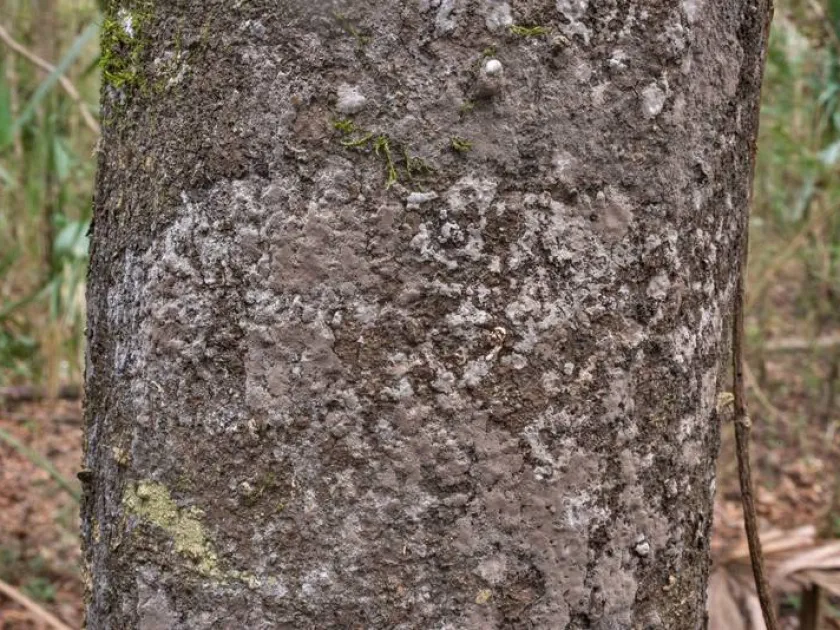
The most visible symptom is the appearance of velvety, felt-like mats on the bark, which can range from light grey to dark brown or black in color.
These fungal patches are firmly attached to the bark and exhibit a leathery texture that remains consistent across the affected area of the trunk.
Close inspection often reveals the presence of scale insects living beneath the fungal cover, which protects them from predators and environmental stressors.
As the disease progresses, the bark underneath the fungal mat may show signs of cracking, thickening, or abnormal suberization.
Leaves on heavily infested branches may exhibit symptoms of chlorosis or drop prematurely due to the stress the colony imposes on the branch's vascular system.
Pathogen
The causal agent of this condition is the fungus Septobasidium aleuritis, a member of the basidiomycetes group that colonizes the bark of various woody plants.
Unlike many other fungi, this species acts as a symbiotic parasite, often establishing a complex relationship with scale insects found on the host plant.
The fungus develops a distinctive structure known as a stroma, which forms a thick, felt-like layer over the bark surface during the growing season.
It does not typically penetrate the cambium or wood deeply, but its constant superficial growth creates a physical barrier on the tree stem and branches.
This pathogen is primarily found in subtropical climates where high humidity levels favor its continuous biological activity and mycelial expansion.
Conditions for development
High relative humidity and consistent rainfall are the primary environmental factors that trigger the colonization and spread of Septobasidium aleuritis.
Poorly ventilated tree canopies in dense orchards create microclimates that retain moisture, providing the perfect environment for fungal spores to germinate.
The presence of scale insect colonies is essential, as the honeydew they excrete serves as a nutrient source that supports the development of the fungal mat.
Warmer temperatures, typically ranging from 20°C to 28°C, accelerate the growth rate of the fungus on the tree's surface.
Trees with thin or damaged bark are more susceptible to initial infection, allowing the fungus to establish its stroma more quickly than on healthy, thick-barked trees.
Why it matters
The primary damage results from the physiological burden placed on the tree, as the fungus and its associated insects constantly extract resources from the bark surface.
Severe infestations can lead to the death of smaller twigs and branches, resulting in a progressive decline of the overall tree canopy structure.
Reduced gas exchange through the bark interferes with the tree's normal metabolic processes, leading to decreased vigor and reduced fruit yields.
The disease can facilitate the entry of secondary pathogens, as the compromised bark surface loses its natural resistance to other environmental stressors.
Economic losses are common in commercial plantations, particularly for crops like the tung tree, where overall tree health is vital for consistent oil production.
Protection
Effective management begins with strict orchard hygiene, including the removal and destruction of heavily infested branches through sanitary pruning.
Controlling the population of scale insects with appropriate insecticides is a critical strategy to disrupt the life cycle of the fungus.
The application of copper-based fungicides to the trunk and main branches can help eliminate fungal mats and prevent the spread of spores to healthy tissue.
Maintaining optimal tree spacing is essential to ensure adequate airflow and sunlight penetration, which helps keep bark surfaces dry and less prone to infection.
- Sanitary pruning of infested tree parts.
- Application of insecticides to manage scale insect populations.
- Copper-based spray treatments for bark protection.
- Ensuring proper orchard density for better aeration.
Discussion
No discussions yet — be the first.