
Seifertia
Seifertia
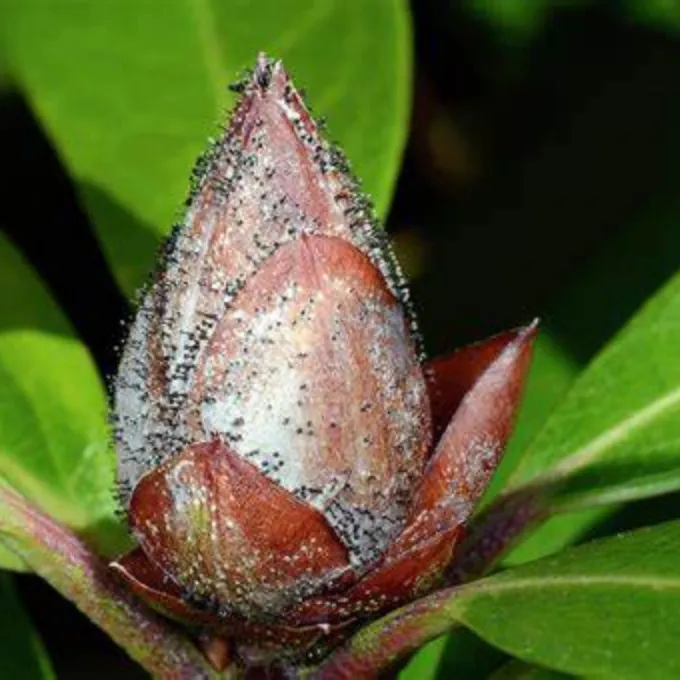
Description
Symptoms
The primary symptom of a Seifertia infection (specifically the species Seifertia azaleae) is the emergence of distinct black discoloration on the plant's flower buds.
Infected buds fail to bloom, gradually desiccate, and eventually become covered in a dense layer of dark, soot-like fungal spores that are easily visible.
As the infection progresses, the tissues of the buds become brittle and necrotic, often collapsing before the plant even enters the full active growing season.
The disease frequently appears in localized patches, affecting specific stems or clusters of buds, which significantly diminishes the overall aesthetic quality of the ornamental plant.
During a severe outbreak, the infection can spread throughout the entire shrub, leading to mass bud drop and the complete absence of blossoms.
Pathogen
The pathogen responsible for this disease is a fungus from the genus Seifertia, which is taxonomically classified within the Ascomycota phylum.
Seifertia azaleae is the most recognized species, specializing in infecting members of the Ericaceae family, particularly rhododendrons and azaleas.
The fungus acts as a facultative parasite, utilizing the nutrients stored within the dormant plant buds to facilitate the production of its conidia.
The life cycle of the pathogen is intricately linked to the plant's dormancy period, allowing it to overwinter within the buds and initiate growth early in the spring.
Spore dispersal occurs primarily through wind, splashing rain, or insect activity, which facilitates the transmission of the fungus between susceptible plants in the landscape.
Conditions for development
High humidity and consistent moisture levels during the late winter and early spring are the primary environmental drivers for Seifertia development.
Moderate temperatures during the early spring encourage the activation of the fungal mycelium within the swelling buds, leading to rapid colonization.
Poor air circulation, often caused by overly dense planting or improper pruning, creates a microclimate that retains moisture and promotes fungal proliferation.
The presence of plant debris, such as fallen leaves or previously infected buds left on the soil surface, provides a continuous source of inoculum for the next season.
Plants that are stressed due to nutrient deficiencies, improper soil pH, or environmental stressors show lower resistance to the penetration and spread of the fungus.
Why it matters
The most significant impact of Seifertia is the total loss of ornamental value, which is particularly detrimental to high-end landscaping and nursery production.
Because the fungus attacks the flower buds directly, it completely prevents the plant from flowering, stripping it of its primary decorative function.
Repeated infections can weaken the plant's overall vigor, potentially leading to the dieback of shoots and a distorted growth habit over several seasons.
In a nursery context, the presence of this disease can lead to the quarantine or rejection of plant batches, resulting in substantial financial losses for growers.
Chronic infestation makes the affected plants more susceptible to secondary pathogens and other pests, further degrading the health of the garden environment.
Protection
The most effective management strategy involves the immediate and diligent removal of all blackened or suspect buds as soon as they are identified in the early spring.
Proper sanitation is critical; all removed plant parts must be burned or disposed of away from the planting site to prevent further spore dispersal.
Applying copper-based fungicides during the early spring, specifically before the buds begin to open, can significantly reduce the potential for infection.
Maintaining a healthy, well-ventilated growing environment through proper spacing and regular thinning of the plant canopy is essential for long-term prevention.
Providing balanced nutrition and ensuring good soil drainage helps maintain the plant’s natural defenses, making it less attractive and vulnerable to Seifertia colonization.
Discussion
No discussions yet — be the first.