
Sebacinales fungi
Sebacinales
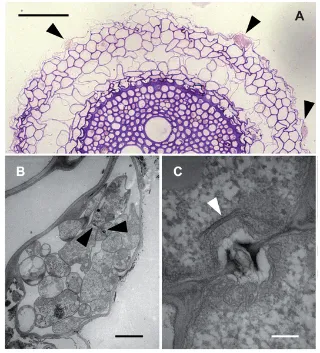
Description
Symptoms
The signs of Sebacinales presence are often subtle, as they frequently live endophytically within the plant roots without causing immediate, dramatic necrosis.
Visible symptoms may include a gradual yellowing of lower leaves, reflecting a disruption in the plant's nutrient uptake efficiency from the soil.
Stunted growth and reduced root vigor are common indicators that the rhizosphere balance has been shifted by fungal activity.
In more severe cases, root systems may show darkened, brittle patches, indicating a shift from a neutral symbiotic relationship to a parasitic one.
Plants affected by these fungi often show increased susceptibility to environmental stresses, such as drought or temporary waterlogging in the field.
Pathogen
The order Sebacinales includes a diverse group of basidiomycete fungi known for their varied roles in complex plant-fungal interactions.
While often recognized as symbionts, certain species can behave as opportunistic pathogens under specific environmental conditions, altering their metabolic activity.
These fungi inhabit the cortical cells of plant roots, where they form intricate hyphal networks that can modulate the physiology of the host organism.
Their ability to switch between saprotrophic, endophytic, and sometimes pathogenic life strategies makes them a unique subject in plant pathology.
Molecular identification is the primary method for diagnosing the presence of these fungi, as they often remain undetected by traditional morphological analysis.
Conditions for development
The development of Sebacinales is heavily influenced by soil moisture levels, with higher moisture content often facilitating their growth.
Temperature fluctuations in the soil play a critical role, as these fungi generally thrive within the range optimal for most crop development.
High levels of soil organic matter provide the necessary environment for the survival and initial colonization process of these fungi in the root zone.
The chemical composition of root exudates, which changes based on plant health and nutrient supply, serves as a trigger for fungal colonization.
Poor soil structure and lack of aeration can exacerbate the influence of these fungi, potentially leading to more intense colonization patterns.
Why it matters
The harmful impact of Sebacinales arises primarily when the balance between the fungus and the plant host is disrupted, leading to stunted plant growth.
Reduced crop yield is a frequent consequence of their persistent colonization, as the plant diverts energy from biomass production to support the fungal association.
These fungi can compromise the structural integrity of root tissues, making the host more susceptible to secondary bacterial and fungal infections.
In large-scale agricultural production, the presence of these fungi can lead to uneven field maturity and a decrease in overall product quality.
Economic damage is often linked to the cost of increased management requirements and potential losses in susceptible high-value crops.
Protection
Controlling the activity of Sebacinales requires a focus on maintaining soil health and preventing conditions that favor fungal proliferation.
The use of balanced fertilization programs helps prevent nutrient imbalances that can trigger the parasitic potential of these fungi in root tissues.
Systemic fungicides, when applied correctly, can manage populations of Sebacinales during periods where the plant is most vulnerable to root infections.
Improving field drainage to prevent waterlogging is a key preventive measure against the negative impacts of soil-dwelling fungi.
- Implementation of crop rotation to break the fungal life cycle in the soil.
- Monitoring root health during the vegetative stage to identify early signs of stress.
- Using biological controls that promote healthy root development and compete with fungal colonists.
Discussion
No discussions yet — be the first.