
Sebacinaceae
Sebacinaceae
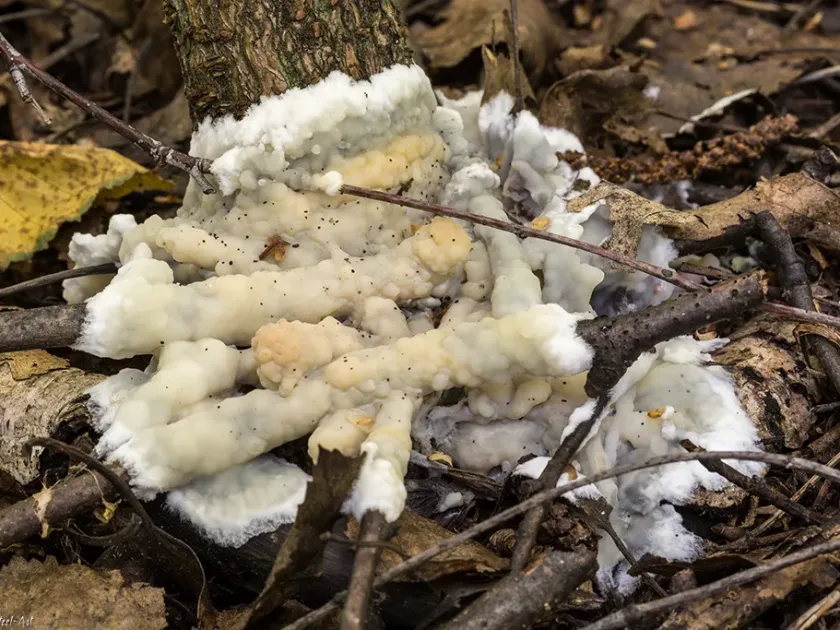
Description
Pathogen
Sebacinaceae is a family of basidiomycetous fungi that play a dual role in the ecosystem. While often recognized as beneficial mycorrhizal partners, certain strains can exhibit parasitic behaviors that affect the health of cultivated plants.
The pathogen itself is a soil-borne fungus that colonizes the rhizosphere. It interacts with the plant root system, sometimes acting as an endophyte that can shift from a symbiotic relationship to a detrimental one under specific environmental stresses.
The type of disease is primarily associated with root dysfunction, often mimicking standard root rots. The fungi penetrate root tissues, potentially disrupting nutrient uptake and causing physiological stress within the plant host.
Biologically, these fungi are characterized by their unique septate basidia. Their ability to form sebacinoid mycorrhiza is well-documented, but the transition to a pathogenic state is often triggered by an imbalance in the soil microbial community.
Research continues to distinguish between beneficial and parasitic strains within this family, as their impact on crop productivity varies significantly based on the plant species and local soil conditions.
Conditions for development
The development of these fungi in the soil is highly dependent on humidity levels. They thrive in moist environments where organic matter is readily available for decomposition and metabolic activities.
Soil pH plays a critical role in determining the balance of the microbial population. Acidic soils that lack proper lime application often foster conditions where these fungi may become more aggressive towards plant roots.
Spore dispersal occurs primarily through soil water movement, agricultural equipment, and the transport of contaminated soil across fields. Seed quality is also a factor in the initial introduction of these fungi to new areas.
Cool and wet spring conditions provide the perfect window for the fungi to establish themselves in the root zone. During these periods, the plants are most vulnerable to colonization and subsequent root tissue damage.
Over-fertilization with mineral nitrogen, coupled with low organic content, disrupts the natural beneficial mycorrhizal networks, creating a niche that can be exploited by less beneficial fungal strains.
Why it matters
The damage caused by Sebacinaceae-related infections involves the depletion of plant energy reserves. By colonizing the root system, the fungi compete for carbohydrates that the plant needs for growth and development.
Plants often exhibit stunted growth and chlorosis, reflecting an inability to effectively absorb microelements. This loss of vitality leads to reduced biomass and lower overall yield during the harvest period.
The root system of infected plants may show signs of discoloration, which indicates an active fungal invasion. This damage weakens the plant, making it more susceptible to environmental stress, such as drought or mechanical lodging.
These fungi can predispose the plant to secondary infections by weakening the root's natural barriers, allowing bacteria and other opportunistic pathogens to enter the plant tissues.
Economic losses in nurseries and open-field agriculture are significant when young plants are affected. Reduced seedling vigor directly impacts the density and uniformity of the final crop stand.
Protection
The primary control strategy is preventative, focusing on maintaining soil health and microbial balance. Proper crop rotation is essential to prevent the buildup of pathogenic fungal populations in the soil.
Biological control agents, such as beneficial rhizobacteria, can be employed to compete with and suppress the growth of these fungi in the root zone. These biological tools are highly effective in modern sustainable agriculture.
- Optimizing mineral fertilization based on soil testing.
- Implementing efficient drainage systems to prevent waterlogging.
- Using high-quality, treated seed to protect young root systems.
- Sanitizing farm machinery to prevent the spread of soil-borne spores.
Cultural practices like deep tillage and soil amendments help improve soil aeration and oxygen levels, which naturally limits the aggressive expansion of these fungal groups.
Monitoring the plant health and soil microbial structure using molecular diagnostics remains the most advanced method for detecting and managing potential outbreaks of these complex soil organisms.
Discussion
No discussions yet — be the first.