
Sebacina
Sebacina
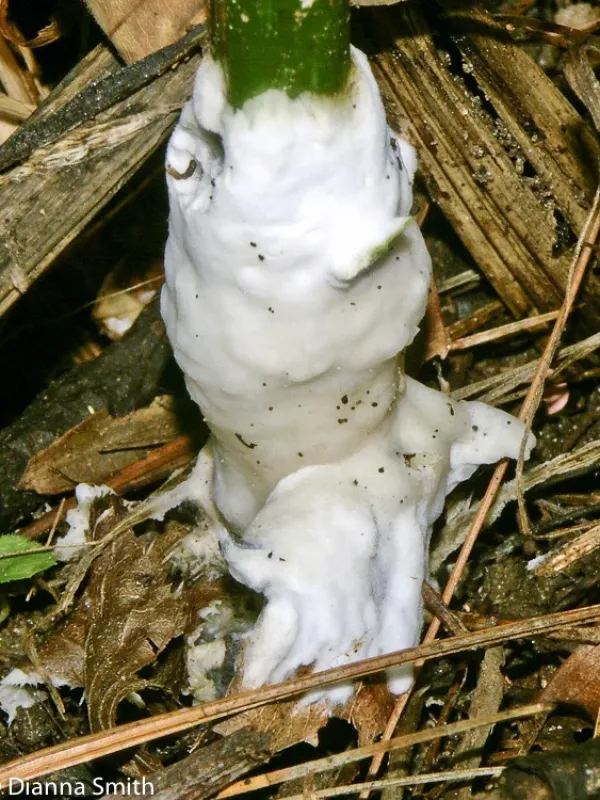
Description
Symptoms
Plants affected by Sebacina typically exhibit stunted growth and general malaise, often showing early wilting symptoms during periods of peak sunlight or drought stress.
A detailed inspection of the roots reveals browning and necrosis of the finer rootlets. In severe cases, the root epidermis becomes soft and easily sloughs off from the vascular tissue.
Under high humidity, a delicate whitish or greyish fungal mycelium may become visible on the soil surface near the stem base, indicating an active colony.
There is often an observed unevenness in crop stand development. In fields, this appears as patchy, chlorotic areas where plants struggle to maintain their health compared to neighbors.
Root system structural failure is common; when gently tugged, infected plants often come out of the soil easily because the finer, anchoring root structures have been destroyed.
Pathogen
The Sebacina genus consists of basidiomycete fungi that, while often known for symbiotic relationships, can occasionally behave as opportunist pathogens affecting various plant roots.
These fungi inhabit the rhizosphere, where they can transition from beneficial mycorrhizal functions to pathogenic activity if the surrounding soil environment becomes imbalanced.
The pathogen primarily targets the root system, infiltrating the cortex and causing structural degradation. This interferes with the plant's nutrient and water uptake mechanisms.
Mycelial growth is characterized by fine, branching hyphae that quickly colonize the root surface. Sporulation occurs in the soil, allowing the fungus to persist through unfavorable seasons.
Dissemination happens primarily through water flow, soil cultivation tools, and the movement of infected soil, making it a significant concern in intensive cropping systems.
Conditions for development
High soil moisture is the primary driver for Sebacina development. Over-irrigation or poor field drainage provides the necessary environment for the fungus to thrive.
Temperatures ranging from +18°C to +25°C are ideal for the rapid proliferation of hyphae and spore production, leading to significant outbreaks in both fields and greenhouses.
Acidic soil conditions favor the aggressive colonization of root tissues by these fungi. Soil pH management is crucial for creating an unfavorable environment for the pathogen.
Continuous cropping of susceptible host plants leads to a dangerous buildup of inoculum in the soil, increasing the risk of infection with each subsequent growing season.
Poor soil aeration and compaction create low-oxygen zones in the rhizosphere, which effectively shields the fungus from natural predators and promotes its spread.
Why it matters
The damage caused by Sebacina is primarily rooted in the disruption of the plant's metabolic processes due to impaired water and mineral absorption, leading to yield losses.
Affected plants are significantly weakened, making them susceptible to secondary bacterial and fungal infections that can rapidly lead to total crop failure.
Marketable quality is severely degraded; crops often produce undersized fruits or vegetables that lack shelf-life, resulting in significant economic losses for producers.
The persistence of the pathogen in the soil means that large areas of land may become unsuitable for sensitive crops for several years without intensive treatment.
In greenhouses, the pathogen can spread rapidly through irrigation pipes and shared substrate, necessitating strict sanitation protocols to protect the entire production cycle.
Protection
Integrated pest management, including crop rotation with non-host species, is essential to starve the pathogen and reduce the soil inoculum level over time.
Correcting soil pH through liming and ensuring excellent drainage through subsoiling or raised beds can significantly limit the fungus's ability to infect roots.
Applying bio-fungicides containing Trichoderma or other competitive microorganisms can help suppress Sebacina by colonizing the root zone first and inhibiting pathogen growth.
Regular sanitation of tools and cleaning irrigation lines help prevent the mechanical spread of spores between different sectors of the farm or greenhouse.
Monitoring soil moisture levels and avoiding over-watering is perhaps the most practical and effective management technique to keep the pathogen population below the damage threshold.
Discussion
No discussions yet — be the first.