
Scutellinia
Scutellinia
Description
Symptoms
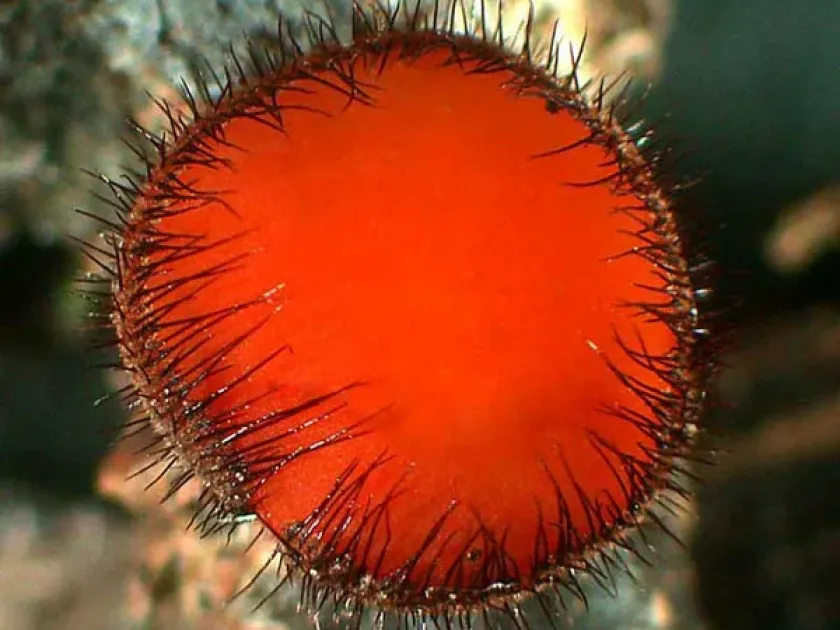
The most distinctive feature of Scutellinia is its bright red or orange apothecia, which appear as small, cup-shaped structures ranging from 5 to 15 mm in size.
A magnifying lens reveals dark, rigid, bristle-like hairs along the edges of the cups, which is a signature characteristic of this genus.
These fruiting bodies often cluster together, appearing on damp soil, rotting logs, or mulched areas during periods of high humidity.
The vegetative mycelium is generally inconspicuous, manifesting as fine white or grayish threads extending through the upper layer of soil or decaying organic matter.
Symptoms do not include leaf yellowing, wilting, or necrotic spots, distinguishing it clearly from parasitic fungi that attack living plant material.
Pathogen
Scutellinia is a genus of fungi in the Pyronemataceae family. It is classified as a saprotroph, meaning it feeds on dead organic matter rather than infecting living plant tissues.
The fungus plays a role in the natural decomposition of leaf litter, wood chips, and organic debris on the forest floor or in garden compost piles.
As an ascomycete, its lifecycle revolves around the development of vegetative mycelium in the substrate and the subsequent production of sexual fruiting bodies when conditions are favorable.
While often noticed by growers, it should not be categorized as a plant disease, as it does not interfere with the physiological functions of healthy vegetation.
Its presence is purely biological and represents the role of decomposers in the soil ecosystem, rather than an agricultural threat or blight.
Conditions for development
Scutellinia thrives in environments with consistently high moisture levels, such as heavily shaded areas or poorly drained greenhouses.
The abundance of raw organic material, such as uncomposted bark or wood debris, provides a rich energy source for the mycelial growth of the fungus.
Temperature ranges between 15°C and 22°C are ideal for the rapid development of fruiting bodies, often coinciding with seasonal rainy periods.
Low soil aeration levels, caused by compaction, prevent evaporation and create a persistent micro-environment favored by these ascomycetes.
Lack of proper air circulation in indoor growing facilities exacerbates the formation of visible fungus colonies on the substrate surface.
Why it matters
Scutellinia is considered harmless to agricultural crops, as it does not possess the mechanisms to attack or parasitize healthy vascular plant tissues.
The only indirect danger is that its presence acts as a biological indicator of excessive moisture, which can indirectly promote the development of real root rot pathogens like Pythium or Phytophthora.
Massive colonization of the substrate can lead to the temporary immobilization of nitrogen, as the fungus competes with soil bacteria for decomposition resources.
In ornamental horticulture, the appearance of the cups can be seen as an aesthetic nuisance, particularly in displays where pristine soil surface is desired.
Overall, the impact is limited to the physical occupation of the soil surface and does not pose a risk to the economic value of the cultivated crops.
Protection
Management focuses on moisture control; ensuring proper drainage and reducing the frequency of watering is usually sufficient to discourage growth.
Surface soil should be kept aerated through regular, light cultivation to increase evaporation and break the damp conditions the fungus requires.
Avoid applying raw wood chips or uncomposted organic matter near the base of sensitive plants to prevent creating a favorable niche for saprotrophs.
In greenhouse environments, increasing ventilation and airflow will naturally suppress the fruiting body formation of Scutellinia.
- Improve site drainage to prevent water pooling.
- Use fully decomposed compost instead of raw mulches.
- Regularly stir or hoe the topsoil to encourage drying.
- Increase ventilation in greenhouses and poly-tunnels.
Discussion
No discussions yet — be the first.