
Sclerophoma
Sclerophoma
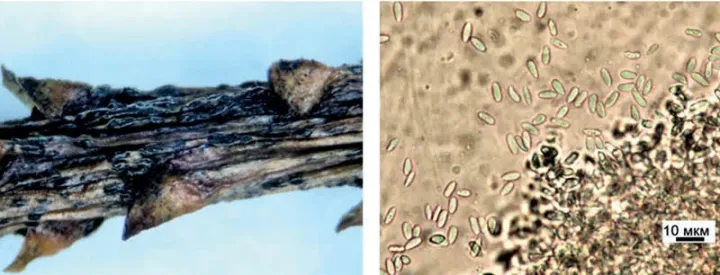
Description
Symptoms
The initial symptoms of Sclerophoma typically appear as brown or dark necrotic spots on stems, petioles, or leaves. As the disease progresses, these lesions may expand, often developing distinct concentric zones or rings within the affected area.
A definitive diagnostic feature is the emergence of numerous tiny, black, pimple-like structures known as pycnidia within the necrotic lesions. These spots are usually visible to the naked eye or with a hand lens and confirm the fungal nature of the infection.
In crops like sunflower, stem lesions can become brittle and crack, leading to lodging. This structural weakness caused by the pathogen significantly compromises the integrity of the plant and hinders nutrient transport from the roots.
For coniferous trees, the disease manifests as chlorosis, needle drop, and the death of young shoots. Infected twigs often twist and become discolored, eventually leading to a loss of vigor and potential death of the entire branch.
Under high humidity, a faint greyish or whitish fungal growth may appear on the lesions. If left unchecked, the tissue dies completely, and the infection can move systematically through the plant, causing widespread wilting or local necrosis.
Pathogen
The disease is caused by fungi of the genus Sclerophoma, which are classified as coelomycetes. These pathogens produce pycnidia, small black fruiting bodies that release conidia responsible for the primary and secondary infection cycles.
The fungus can overwinter in soil, infected crop debris, and even within seeds. This allows the pathogen to persist in the field for several years, waiting for favorable environmental conditions to emerge and begin parasitizing host plants.
The fungus colonizes plant tissues intercellularly, systematically degrading the parenchyma and disrupting physiological processes. It is highly adaptable and can transition between saprophytic and parasitic lifestyles, making it difficult to eradicate completely.
Conidia are primarily dispersed through rainwater splashes, wind currents, and insect activity. The rapid mass production of these spores allows the disease to spread quickly across fields under optimal weather conditions.
Genetic variability among fungal strains poses a significant challenge for breeders. Different populations of Sclerophoma may exhibit varying levels of virulence depending on the host species and regional climatic factors.
Conditions for development
Sclerophoma development is strongly correlated with periods of high humidity and rainfall. Frequent wetting of the foliage and stems facilitates the germination of conidia and provides the necessary moisture for the fungus to penetrate the plant epidermis.
Temperatures ranging from +18°C to +25°C are optimal for the pathogen. Within this thermal range, the incubation period is significantly shortened, allowing for multiple infection cycles within a single growing season.
Poor crop rotation practices are a major factor in disease outbreaks. Continuous cropping of susceptible species allows for the build-up of the inoculum level in the soil, ensuring that the pathogen is present to infect new crops every year.
Mechanical damage to plants—whether caused by machinery, pests, or hail—acts as a catalyst for infection. These wounds provide direct entry points for the fungal mycelium, bypassing the plant's natural external defense barriers.
High plant density and insufficient air circulation create a microclimate with stagnant air and moisture trapped in the canopy. This environment is ideal for the fungus to thrive, often leading to sudden and severe localized outbreaks.
Why it matters
The economic impact of Sclerophoma is significant due to the reduction in total biomass and overall harvest quality. Infected plants exhibit stunted growth, which directly limits their yield potential and overall economic value.
The disease disrupts photosynthesis and nutrient translocation, resulting in smaller, shriveled seeds with poor germination rates. For oilseed crops, the infection can also lead to a decrease in oil content and poor seed quality.
Lodging caused by weakened stems results in substantial harvest losses, as combine harvesters struggle to recover fallen plants. The remaining crop often suffers from reduced durability, making it susceptible to spoilage during transit.
Costs related to fungicide applications to prevent or treat outbreaks add a financial burden to farmers. In severe cases, the epidemic nature of the disease can lead to yield losses exceeding 30-40% if the conditions remain favorable for the pathogen.
Infected raw materials are prone to secondary infections by saprophytic fungi during storage, leading to further decay. This reduces the storability of the product and can result in the rejection of batches by processing facilities.
Protection
The most effective strategy for managing Sclerophoma is the implementation of a diverse crop rotation, ensuring a gap of at least 3-4 years before returning susceptible crops to the same field. This practice effectively depletes the soil-borne inoculum.
Proper field sanitation is essential; this involves the thorough incorporation of crop residues into the soil and the elimination of weeds that may harbor the fungus. This removes critical sources of primary infection.
- Use of certified, fungicide-treated seeds to ensure healthy germination.
- Balanced application of fertilizers to maintain plant vigor and natural resistance.
- Proactive monitoring and application of systemic fungicides during high-risk windows.
- Management of insect pests that may injure plant surfaces and facilitate infection.
- Selection of resistant or tolerant cultivars tailored to local environmental conditions.
Discussion
No discussions yet — be the first.