
False earthstars
Sclerodermataceae
Description
Symptoms
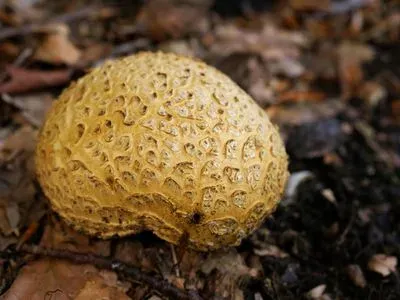
The most recognizable sign is the emergence of hard, round, or tuberous fruiting bodies on the soil surface, typically ranging in color from yellow-brown to dark brown as they mature.
Affected plants often display symptoms of chlorosis, stunted growth, and general loss of vigor. This is caused by the fungus interfering with root water and nutrient uptake through physical blockage of root tips.
When fruiting bodies are mature, they release a dark, powdery spore cloud when crushed, which is a definitive diagnostic feature of the family Sclerodermataceae.
In containerized plants, the presence of these fungi often correlates with poor soil structure and a compressed root ball, which prevents the development of secondary, fine roots.
Plants may also exhibit increased susceptibility to other pathogens due to the chronic stress caused by the disruption of their healthy soil biome.
Pathogen
Sclerodermataceae, commonly known as false earthstars or false puffballs, are a family of basidiomycete fungi. In agricultural settings, they are often considered soil-borne organisms that can adversely affect the root systems of nursery plants.
The primary pathogen mechanism involves the mycelial network colonizing nutrient-rich substrates, which creates competition with plants for resources and physically disrupts the development of healthy mycorrhizal associations.
These fungi form tough, woody fruiting bodies that contain a dark, dusty mass of spores. Unlike true puffballs, these structures are typically harder and remain in the soil or substrate for extended periods.
Reproduction is driven by spores, which are disseminated by wind or irrigation splashing. Once established in a substrate, the mycelium can persist for multiple seasons, making complete eradication challenging.
Agronomists often view the presence of these fungi as an indicator of poor sanitation, inadequate soil aeration, or the use of sub-par organic amendments in greenhouse or nursery operations.
Conditions for development
High moisture levels in the substrate, often resulting from excessive irrigation or poor drainage in greenhouses, create the perfect environment for these fungi to thrive.
They are particularly prevalent in slightly acidic soils or potting mixes rich in decomposing organic matter, such as peat-based substrates used in commercial nurseries.
Temperatures ranging from 18 to 25 degrees Celsius (65-77°F) are highly favorable for the rapid maturation of fruiting bodies and the subsequent release of spores.
Poor ventilation and high humidity in indoor or sheltered growing environments significantly accelerate the colonization of the potting mix by fungal hyphae.
Failure to rotate crops or sanitize pots between growing cycles allows the fungal population to build up, leading to consistent infestation issues over time.
Why it matters
The economic harm is most significant in nursery operations, where fungal colonization leads to poor plant growth and high culling rates of stunted or weak seedlings.
By disrupting the symbiosis between roots and beneficial fungi, Sclerodermataceae significantly reduces the efficiency of fertilization, leading to nutrient deficiencies.
In landscaping and ornamental gardening, the visual proliferation of these fungi diminishes the aesthetic appeal of flowerbeds, requiring manual removal efforts.
Heavily infested soil may require extensive decontamination or total replacement, adding significant operational costs to professional growing businesses.
In severe cases, the depletion of the root zone's health can lead to the eventual death of young, delicate plants that cannot withstand the root-level competition.
Protection
The primary control strategy involves using only sterile, high-quality soil amendments and growing media to prevent the initial introduction of fungal spores.
Ensuring proper irrigation management and regular soil aeration is critical to preventing the moist, stagnant conditions that favor fungal colonization.
Manual removal of fruiting bodies must be performed immediately upon detection to prevent spore dispersal throughout the growing area.
The use of soil-approved fungicides and proper site hygiene can help suppress mycelial development and reduce the overall infection pressure in the nursery.
Maintaining optimal soil pH and regular sanitation of gardening tools helps mitigate the risks of cross-contamination between different areas of the operation.
Discussion
No discussions yet — be the first.