
Schizothyrium
Schizothyrium
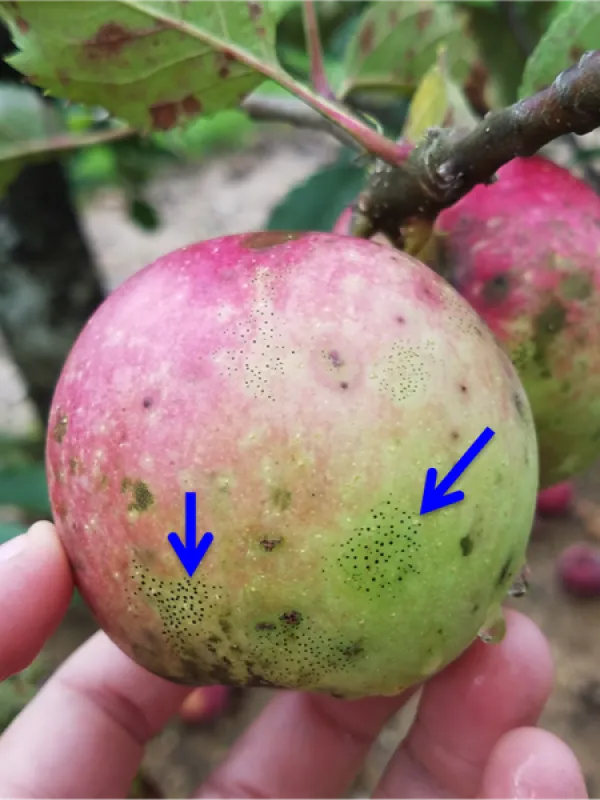
Description
Symptoms
The primary symptom of infection is the emergence of small yellow or brownish spots on the needles. Over time, these spots can expand and merge, covering significant portions of the needle length.
Tiny black spots, representing the fungal fruiting bodies, eventually appear on the discolored parts of the needles. These structures are visible to the naked eye and are diagnostic of the disease.
Affected needles lose their green pigment, become dry and brittle, and eventually drop off. This leads to premature defoliation, which is most noticeable in the lower parts of the crown.
In cases of severe infestation, the tree may appear scorched or severely thinned. The lack of healthy foliage makes it difficult for the tree to maintain its vital functions.
Needles may also show signs of twisting or deformation, a response to the mechanical and chemical stress exerted by the fungus as it colonizes the tissue.
Pathogen
The disease is caused by a fungal pathogen belonging to the Schizothyrium genus. This fungus is known for its specialized ability to infect needles of various coniferous species.
The lifecycle includes the formation of small fruiting bodies known as apothecia within the needle tissues. As these structures mature, they release spores that facilitate the spread of the disease.
It acts as an obligate parasite during its active growth phase, specifically targeting the epidermal layers of the needles. It persists in fallen needles, where it continues its development.
The pathogen is highly dependent on environmental variables. Spore dispersal is primarily driven by air currents and moisture, allowing it to move across the canopy during rainy seasons.
Its biological resilience allows it to remain dormant during unfavorable weather, re-emerging when conditions become suitable for infection and colonization of healthy needles.
Conditions for development
High humidity and consistent rainfall are the primary drivers of Schizothyrium outbreaks. Damp, cool springs and early summers provide the perfect conditions for spore germination.
Poor ventilation within dense tree clusters promotes the disease. When moisture remains on the needles for extended periods due to lack of airflow, the infection rate increases significantly.
Moderate temperatures during the growing season facilitate the mycelial growth of the fungus. Extreme heat may suppress the disease, but it usually persists in protected micro-environments.
Trees that are stressed by nutrient deficiencies, drought, or poor soil quality are more susceptible to infection. A weakened immune system prevents the plant from mounting an effective defense.
Accumulated litter, specifically infected needles on the ground, acts as a primary source of inoculum. If this debris is not cleared, the cycle of infection continues year after year.
Why it matters
The disease causes significant foliage loss, which disrupts the tree’s photosynthetic ability. This lack of energy production directly impacts growth rates and overall tree vigor.
The loss of needles diminishes the aesthetic value of ornamental conifers. For landscape professionals, this disease can ruin the visual appeal of a garden or public park.
Chronic infestation leaves the tree vulnerable to secondary attacks. Weakened trees are frequently targeted by bark beetles and other borers, which can be lethal to the plant.
In nursery settings, Schizothyrium can cause mass mortality among young seedlings, leading to severe economic losses and high replacement costs for growers.
Long-term impact includes crown dieback and stunted development. If left untreated, the cumulative stress can eventually lead to the death of the entire specimen.
Protection
The most effective strategy is rigorous sanitation. Removing and destroying all fallen needles prevents the fungus from completing its lifecycle and reduces the inoculum level.
Proper pruning and thinning of branches improve airflow within the canopy. Increased ventilation ensures that needles dry faster after rain, preventing the fungus from establishing.
Fungicidal applications, including copper-based products or systemic triazoles, are effective if applied preventively before the main period of spore release.
Maintaining optimal tree health through balanced fertilization and proper irrigation helps strengthen the tree’s internal resistance against fungal colonization.
Selecting resistant cultivars or species during the planting process is the best long-term management practice, significantly reducing the risk of future disease outbreaks.
Discussion
No discussions yet — be the first.