
Sarcosphaera coronaria
Sarcosphaera coronaria
Description
Symptoms
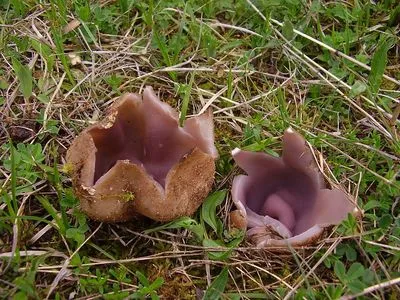
The most recognizable sign of its presence is the emergence of crown-shaped or star-shaped fruiting bodies from the soil, which split into lobes to reveal a white or pale pink interior.
Affected plants often show clear symptoms of reduced vigor, including yellowing needles or leaves, stunted annual growth, and premature leaf drop during the peak growing season.
A closer inspection of the root system often reveals necrosis of fine feeder roots, which hinders the plant's ability to uptake water and essential mineral nutrients effectively.
A dense mycelial mat may develop around the base of the plant stem, and the soil in the immediate vicinity often carries a characteristic fungal odor due to active decomposition.
- Star-shaped fruiting bodies emerging from the soil.
- General decline and stunted growth in young saplings.
- Root system decay and loss of fine lateral roots.
Pathogen
Sarcosphaera coronaria is an ascomycete fungus belonging to the Pezizaceae family. Although primarily considered a soil-dwelling saprotroph, it exhibits mycorrhizal properties and can act as a pathogen affecting the root systems of various forest trees.
The condition is classified as a mycosis that primarily impacts the rhizosphere, causing physiological stress to young woody plants and saplings in nursery environments.
The life cycle of this pathogen is highly dependent on soil moisture levels and the presence of organic debris, which provide the necessary nutrients for the development of vegetative mycelium.
The fungus produces distinctive fruiting bodies, typically during spring and early summer, which release large quantities of spores capable of colonizing new substrates in the vicinity.
Researchers often classify it as a opportunistic pathogen, meaning its ability to cause disease is amplified when the host plant is stressed by environmental or soil-related factors.
Conditions for development
Sarcosphaera coronaria development is favored by well-drained, calcareous soils that are rich in humus and organic forest litter, providing an ideal growth medium.
High soil moisture levels and moderate temperatures during spring are critical conditions that trigger the maturation of fruiting bodies and the subsequent release of infectious spores.
Dense planting schemes in forest nurseries create a humid microclimate with poor air circulation, facilitating the spread of mycelium between the root zones of adjacent plants.
The disruption of the natural microbial balance in the soil, often caused by the excessive use of harsh pesticides, allows this opportunistic fungus to occupy new niches and flourish.
Prolonged waterlogging following heavy rainfall events exacerbates the condition, making the root systems more susceptible to fungal colonization and subsequent tissue damage.
Why it matters
The primary harm caused by this fungus is the exhaustion of the plant's physiological resources, leading to a significant decrease in the quality and marketability of saplings in nurseries.
Infection leads to progressive root rot, which, if left untreated, results in the death of young plants as their vascular transport systems are compromised by fungal activity.
The fungus significantly reduces the plant's adaptive capacity, making it more vulnerable to secondary stressors such as prolonged drought or extreme temperature fluctuations.
The overall phytosanitary status of the nursery is compromised, as infected root zones provide entry points for secondary infections and various soil-borne pests.
Economic losses are incurred through the necessity of culling large numbers of infected plants and the long-term investment required to sanitize the soil for future planting.
Protection
The most effective management strategy involves maintaining optimal plant spacing to ensure adequate aeration and sunlight exposure, which prevents the buildup of excess moisture in the soil.
Regular monitoring and physical removal of fruiting bodies before they release spores are essential to limit the spread of the pathogen within the nursery environment.
Integrating biological control agents, such as beneficial fungi or bacteria, can help restore soil health and suppress the development of pathogenic microflora in the rhizosphere.
Sanitary measures, including the careful removal of infected specimens along with a portion of the surrounding soil, are necessary to prevent the spread of the disease to healthy plants.
Early diagnosis during the spring growth phase is crucial for implementing targeted interventions and preventing large-scale outbreaks within forest plantation areas.
Discussion
No discussions yet — be the first.