
Sarcosphaera
Sarcosphaera
Description
Symptoms
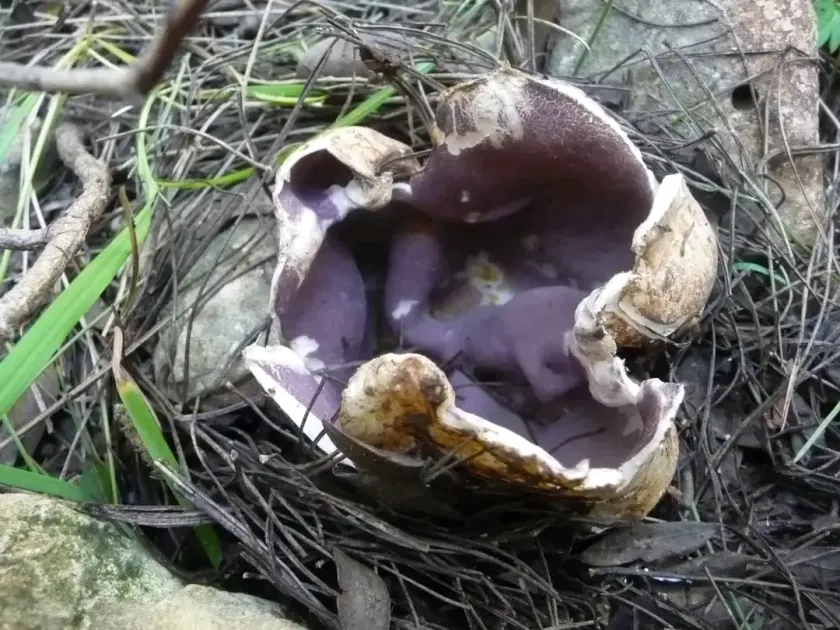
The first external sign of infection is the appearance of soil cracks or minor crust upheavals, which indicate that the fruiting bodies are pushing through the surface. Soon after, cup-shaped structures emerge.
Infected plants exhibit severe signs of decline, including chlorosis and stunted growth. Because the pathogen targets the root system, the plant struggles to maintain water and nutrient uptake, leading to visible wilting.
Upon examination, the root system shows signs of decay and softening. The mycelium often coats the roots with thin, white filaments, making the tissue brittle and prone to breakage during extraction from the soil.
A musty or moldy odor is frequently detected in the soil surrounding the affected area. The apothecia themselves are distinct, featuring a purple or violet interior that makes them easier to identify.
Root necrosis is a critical sign of advanced infection. The plant fails to thrive despite proper irrigation and fertilization, as the damaged roots are no longer capable of performing physiological functions.
Pathogen
The disease is caused by the ascomycete fungus Sarcosphaera coronaria, also known as the crown fungus. This organism belongs to the Pezizaceae family and is recognized as a rare but potentially significant soil pathogen.
The pathogen exists primarily as a soil-dwelling saprotroph that can act as a facultative parasite under conducive environmental conditions. It develops a network of mycelium that permeates the soil, targeting organic matter and plant roots.
Its lifecycle is characterized by the formation of subterranean fruiting bodies known as apothecia. These structures remain hidden beneath the soil surface until they reach maturity, at which point they rupture the earth.
The fungus reproduces via ascospores, which are dispersed primarily by wind and splashing rain. These spores are highly resistant to environmental stress, allowing the fungus to persist in the soil for multiple growing seasons.
The mycelium thrives in leaf litter and moist soil. It utilizes enzymatic degradation to penetrate living roots, effectively diverting nutrients from the host plant to support its own growth and reproduction.
Conditions for development
The fungus thrives in moist, loose soils with high organic content. An optimal temperature range between 10°C and 18°C supports active mycelial expansion and the development of apothecia.
Alkaline or lime-rich soils are particularly favorable for Sarcosphaera colonization. Areas with poor drainage, where moisture accumulates, become primary breeding grounds for the pathogen.
Environmental stress, such as lack of ventilation and excessive shade, prevents the soil from drying out, fostering an environment where the fungus can persist. Improper agricultural practices, such as minimal soil tillage, further contribute to its build-up.
Physical injuries to the roots, caused by pests or cultivation machinery, create entry points for the fungus. Once inside the root tissue, the fungus grows rapidly, exploiting the plant’s internal resources.
Prolonged wet periods followed by sudden warming trigger mass spore release. These conditions are critical, as they facilitate the spread of the fungus to neighboring plants within the same field or garden.
Why it matters
The primary damage is caused by the destruction of the root system, which severely compromises the plant's health. This reduction in root mass inevitably leads to lower yields and a decline in overall vigor.
Infected plants are significantly more susceptible to secondary infections and opportunistic pests. The energy spent by the plant in an attempt to recover from root damage depletes its resources, leading to long-term decline.
In commercial agriculture, the presence of Sarcosphaera requires quarantine-like measures. Fields may become unsuitable for sensitive crops for several years due to the persistence of spores in the soil.
Nurseries and young plantations are at high risk, as the fungus can cause significant mortality among young seedlings. Economic loss includes the value of the plants as well as the cost of remedial soil treatments.
Furthermore, the accumulation of fungal metabolites in the soil can disrupt the native microbial community. This leads to a long-term degradation of soil quality, affecting future agricultural productivity.
Protection
Effective control relies on rigorous cultural practices, such as deep tillage to disrupt the mycelial network and bury any organic matter that could support fungal growth. Regular soil turnover is essential.
Improving drainage is a fundamental step in preventing infection. Reducing water stagnation in the root zone makes the environment less favorable for the pathogen to thrive and spread.
Chemical control involves the application of systemic fungicides in identified hotspots. Copper-based compounds or specialized broad-spectrum fungicides can be used to suppress the infection effectively.
Biocontrol measures, such as the use of Trichoderma-based products, help to outcompete the fungus in the soil. Proactive application creates a hostile environment for the pathogen, preventing its establishment.
- Implement deep soil cultivation and tillage.
- Ensure adequate drainage to prevent waterlogging.
- Use systemic fungicides when hotspots are identified.
- Incorporate biological control agents (e.g., Trichoderma).
- Remove and destroy infected plant debris.
Discussion
No discussions yet — be the first.