
Sarcodon fuligineoviolaceus
Sarcodon fuligineoviolaceus
Description
Symptoms
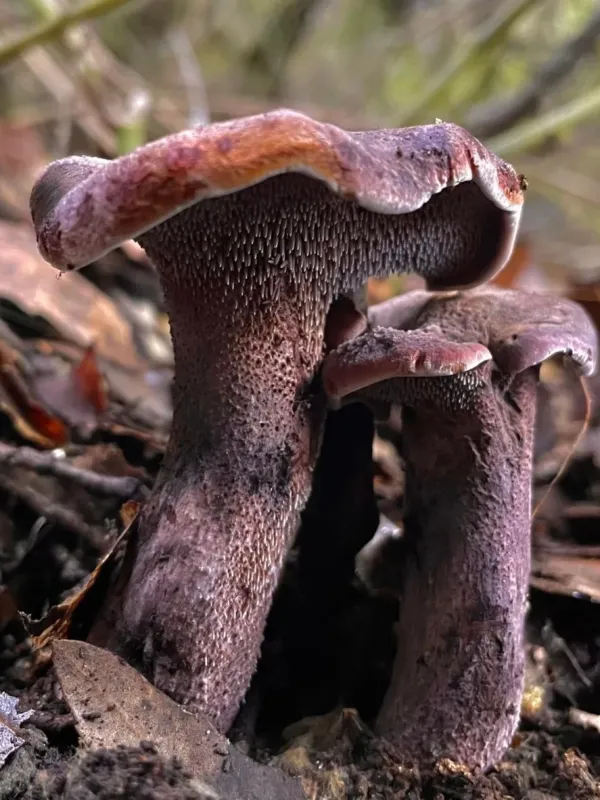
The presence of this fungus is most visibly marked by the emergence of distinctive mushroom caps. These caps are usually large, scaly, and exhibit a characteristic dark violet-brown coloration.
The underside of the cap is covered in spines rather than gills or pores, a definitive morphological feature of the genus Sarcodon. This unique structure helps in precise field identification.
In the rhizosphere, the mycelium forms noticeable mats or sheaths around the root tips. These structures may indicate that the fungus is heavily colonizing the root zone, potentially altering root function.
Signs of tree stress include pale-colored needles, reduced annual shoot growth, and a general decline in canopy density. These symptoms suggest that the root system is being interfered with by the fungus.
The formation of circular or arc-shaped growth patterns on the forest floor, often called fairy rings, is a common indicator of a well-established mycelial colony beneath the surface.
Pathogen
Sarcodon fuligineoviolaceus is a mushroom species belonging to the Bankeraceae family. It primarily functions as a mycorrhizal fungus that forms symbiotic relationships with the roots of coniferous trees, particularly pines and spruces.
The organism develops through a vegetative mycelium that colonizes forest soil rich in organic matter. While typically beneficial, its biological activity can sometimes shift, impacting the efficiency of tree root nutrient absorption.
The life cycle involves the production of fruiting bodies during the late summer and autumn months. These structures release millions of spores, which are essential for the dispersal and colonization of new substrates.
Biochemically, the fungus produces specific enzymes that break down forest litter. This process is essential for nutrient cycling but can create ecological shifts if the fungal population grows unchecked in a specific area.
The fungus is characterized by a slow growth rate, making its cumulative effect on the forest soil chemistry a long-term process that adapts to the host tree's developmental stages.
Conditions for development
Sarcodon fuligineoviolaceus thrives in acidic, nutrient-rich forest soils. It is most commonly found in mature coniferous forests where thick layers of organic debris have accumulated over many years.
Humidity and moisture levels are critical for the formation of fruiting bodies. The fungus requires stable environmental conditions, preferring damp, sheltered locations within the forest understory.
A symbiotic association with host trees is a prerequisite for its development. The fungus relies on the carbon compounds supplied by the host tree roots to sustain its mycelial network.
Human-induced changes, such as soil compaction or drainage modification, can disrupt the natural balance, sometimes favoring the spread of specific fungi while damaging the sensitive mycorrhizal network.
Sporulation and germination are highly dependent on moderate temperatures. Excessive heat or prolonged drought periods generally inhibit the development of the fungal colonies.
Why it matters
The primary concern is the competition between this fungus and beneficial mycorrhizae for root access. By occupying the root space, it can limit the tree's ability to absorb water and essential mineral nutrients.
Prolonged interference with the root system leads to tree weakness. This makes the host plant significantly more susceptible to secondary infections by wood-boring insects and other opportunistic plant pathogens.
In forestry, heavy colonization can result in decreased biomass production. Trees affected by these fungal shifts often show stunted growth compared to those with healthy, diverse mycorrhizal associations.
Although the fungus does not typically cause direct wood rot, its impact on the root-to-shoot metabolic pathway is sufficient to cause gradual decline in tree vigor over several years.
The ecological harm is often indirect, manifesting as a shift in the local soil microbiota that can influence the survival of other forest plant species competing for the same resources.
Protection
Effective management focuses on maintaining forest soil health and preventing unnecessary compaction. Avoiding the use of heavy machinery in forest stands protects the delicate root zone structure.
Sanitation practices, including the thinning of overly dense stands, help improve air circulation and light penetration, which are generally unfavorable for the excessive spread of ground-level fungal colonies.
In nursery settings, it is crucial to use clean, sterilized soil components to prevent the unintentional introduction of fungal spores into seedling root zones.
Promoting a balanced forest community with mixed species ensures that the mycorrhizal network remains diverse, preventing any single species from dominating the soil environment to the detriment of the trees.
- Monitor soil pH to ensure it remains within the range favorable for host tree vitality.
- Implement careful removal of severely affected trees, including root fragments if possible.
- Avoid over-application of synthetic fertilizers that can disrupt natural mycorrhizal symbiosis.
- Conduct periodic forest floor assessments to detect early signs of fungal expansion.
Discussion
No discussions yet — be the first.