
Sarcodon cyrneus
Sarcodon cyrneus
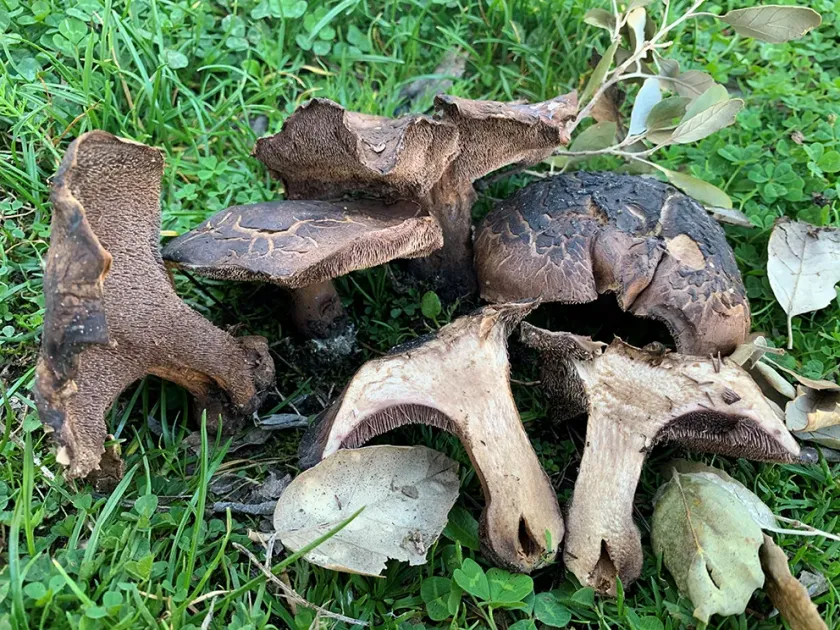
Description
Pathogen
Sarcodon cyrneus is a fungus belonging to the Bankeraceae family. In a botanical context, it is recognized as a mycorrhizal species rather than a conventional plant disease or pathogen.
The fungus develops fruit bodies featuring a distinct hydnoid hymenium, typically associated with the root systems of various coniferous forest trees. It functions as a symbiotic partner by facilitating nutrient uptake.
Biological activity occurs primarily through the mycelial network residing in the soil and leaf litter. This network acts as a bridge between the soil minerals and the root cells of the host tree.
Reproduction is facilitated by the production of basidiospores, which are dispersed into the surrounding environment to establish new fungal colonies in suitable habitats.
Unlike pathogenic fungi that damage plant health, Sarcodon cyrneus contributes to the overall stability of the forest floor ecosystem by participating in nutrient cycling processes.
Conditions for development
The development of this species is strictly dependent on the presence of specific forest environments, particularly those with acidic, humus-rich soils found in Mediterranean regions.
High humidity levels and moderate temperatures are essential for the formation of visible sporocarps. Dry spells or extreme heat waves inhibit the fungal growth cycle significantly.
The fungus requires the presence of specific tree hosts to establish mycorrhizal connections, as it relies on host root exudates for its energy and metabolic requirements.
Undisturbed forest soil structure, including the leaf litter layer, is crucial for protecting the delicate mycelium from desiccation and sudden climate fluctuations.
Ecological health and low soil disturbance are the primary factors ensuring the long-term survival of this fungal species within its natural habitat.
Why it matters
Sarcodon cyrneus poses no threat to agricultural crops, garden plants, or ornamental shrubs, as its ecological niche is strictly confined to natural forest environments.
There is no record of this species acting as a pest or disease agent. Consequently, no phytosanitary protection measures are required in forestry or agricultural settings.
The fungus does not cause decay or rot in living trees; instead, it is considered a beneficial organism that enhances the tree's resilience against environmental stressors.
The main concern for this species is its conservation status, as human-induced changes to forest ecosystems can lead to its rapid decline or local extinction.
Preserving the natural biodiversity of forest sites is the only necessary management strategy, as Sarcodon cyrneus contributes positively to the vitality of forest ecosystems.
Discussion
No discussions yet — be the first.