
Sarcinomycosis
Sarcinomyces
Description
Symptoms
The primary symptom of sarcinomycosis is the development of dark, almost black spots on the plant surface, such as fruits, leaves, or stems. These spots often appear as scabby or velvety encrustations.
The affected areas exhibit localized tissue hardening and necrosis. The surface texture of the host plant becomes rough or irregular due to the accumulation of fungal hyphal masses.
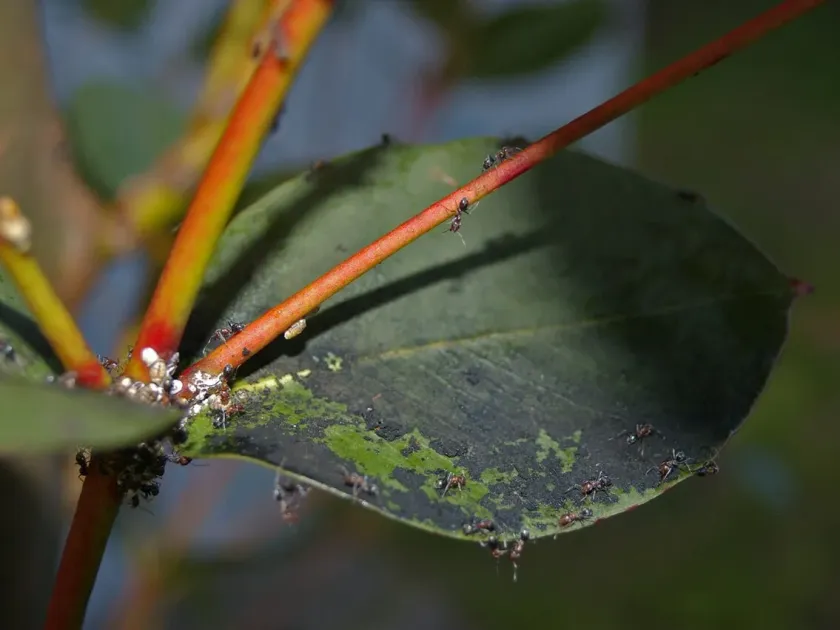
The infection is frequently associated with the presence of honeydew secreted by sucking insects like aphids and scale insects. The fungus thrives on this sugary residue, causing blackened, unsightly patches across the epidermis.
In fruit crops, the disease primarily impacts the fruit's aesthetic quality. While deep fruit rotting is not the main characteristic, the surface damage renders the produce unmarketable.
If leaves are severely affected, premature yellowing and shedding may occur, as the fungal coating can partially impede the plant's photosynthetic capacity.
Pathogen
The causative agent of this disease is the microscopic fungus of the Sarcinomyces genus, belonging to the group of black yeast-like fungi or dematiaceous hyphomycetes. These microorganisms are known for forming sarcina-like clusters with heavy pigmentation.
In phytopathology, Sarcinomyces acts as a facultative parasite or saprotroph that targets damaged plant tissues. Its cell walls contain melanin, providing superior resistance against environmental stresses and UV radiation.
The biology of the pathogen is closely linked to its ability to survive in diverse conditions by forming dormant structures like chlamydospores. These structures allow the fungus to persist in soil and plant debris during winter or dry seasons.
Dissemination occurs primarily through wind-blown spores and rain splashing. The mycelium grows slowly but exhibits high tenacity, allowing it to establish and colonize plant surfaces effectively over time.
Identification often requires laboratory isolation and culture on specific media, as the fungus shares morphological features with other black yeast species, making visual diagnosis in the field sometimes challenging.
Conditions for development
High humidity and consistent moisture on the plant surface are essential for the germination of fungal spores. This creates an environment suitable for colonization.
Mechanical injuries resulting from hail, insect bites, or pruning provide direct pathways for the pathogen to enter the plant tissues and establish its colony.
The presence of insect pests is a major driver of the disease, as their honeydew secretions provide a rich nutrient source that facilitates rapid fungal proliferation.
The fungus thrives within a moderate temperature range, though its biological plasticity allows it to adapt to varying climates as long as sufficient humidity is provided.
Poor aeration in dense plantings or thick tree canopies prevents rapid drying after rain, creating persistent wet zones that foster the development and spread of Sarcinomyces.
Why it matters
The economic impact of sarcinomycosis is primarily due to the severe loss of cosmetic quality in fruits and ornamental plants, leading to high rejection rates in commercial markets.
Decreased photosynthetic activity on leaves can weaken the plant over time, resulting in reduced vigor, stunted growth, and lower yields in subsequent seasons.
In nurseries, young saplings infected with the fungus may experience stunted development or stem tissue damage, which can negatively affect their survival rate and structural integrity.
The presence of the fungus makes the plant more susceptible to opportunistic secondary infections, which could lead to more severe damage and the eventual decline of entire branches or plants.
Additional costs incurred by producers for excessive pesticide applications and manual labor to manage the infection significantly increase the production cost of affected crops.
Protection
Integrated Pest Management (IPM) focusing on the control of aphids and scale insects is the most effective way to eliminate the honeydew source required by the fungus.
Regular sanitary pruning and the removal of infected branches during the dormant season are crucial for reducing the pathogen load and preventing the spread of spores in the next season.
Copper-based fungicides applied during the dormancy period act as an effective preventative measure, inhibiting the growth of overwintering fungal structures on bark.
Optimal horticultural practices, such as proper spacing and thinning of the canopy, are essential to improve air circulation and reduce humidity levels, which helps limit fungal establishment.
In cases of severe outbreaks, systemic fungicides should be employed according to the specific crop and regional regulations to ensure long-term protection and disease control.
Discussion
No discussions yet — be the first.