
Saccharicola
Saccharicola
Description
Symptoms
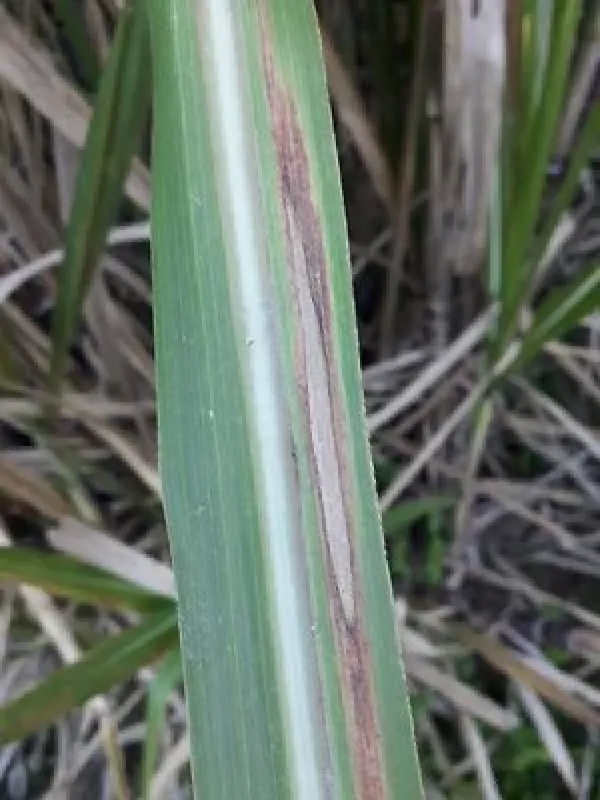
The initial signs of the disease appear as distinct spots on leaves and stems, often characterized by irregular shapes and dark margins that define the necrotic areas.
As the infection progresses, small black spots become visible on the surface of the lesions; these are aggregations of fungal fruiting bodies preparing to release spores.
Affected leaves undergo gradual yellowing and premature senescence, significantly reducing the vigor and overall health of the plant throughout the growing cycle.
In high humidity, a subtle fungal mycelium mat may develop over the necrotic areas, signaling high metabolic activity of the parasite.
Symptoms often manifest in the lower canopy first, where moisture levels remain higher and air circulation is naturally restricted.
Pathogen
The disease is caused by the fungal pathogen from the genus Saccharicola (commonly associated with the species Saccharicola bicolor). It is a microscopic ascomycete fungus that acts as an opportunistic parasite on various plant tissues.
The fungus reproduces by forming spores within specific fruiting bodies known as perithecia, which are highly resilient structures that allow the pathogen to survive in harsh environments.
The life cycle of the pathogen is intimately linked to plant debris, where the fungus remains dormant during winter and serves as a primary source of inoculum for the next season.
Mycelium of the fungus penetrates the intercellular spaces of host plant tissues, gradually degrading the plant cell walls through the secretion of specialized enzymes.
The high genetic plasticity of this genus allows it to adapt effectively to different hosts, making it a challenging pathogen to control in diverse agricultural landscapes.
Conditions for development
The development of the disease is favored by prolonged periods of high ambient humidity and moderate temperatures, which are ideal for spore germination.
Dense crop stands that prevent adequate airflow create a microclimate characterized by high moisture retention, promoting the rapid spread of the pathogen.
The presence of free water on leaf surfaces, such as dew or rain, is a critical requirement for the initiation of the infection process by Saccharicola spores.
Plants under physiological stress due to nutrient imbalances or temperature fluctuations are significantly more susceptible to colonization by this fungus.
Poor agricultural practices, such as failing to remove infected plant debris, contribute to the annual buildup of fungal spores within the soil and field environment.
Why it matters
The primary economic impact results from the substantial reduction in leaf surface area, which decreases the plant's photosynthetic capacity and energy production.
Plants divert valuable resources toward defense mechanisms rather than growth and yield formation, leading to stunted development and lower harvest quality.
Premature leaf drop negatively affects the plant's ability to fill grains or fruits, which results in smaller, lower-quality produce and significant financial losses.
Damaged tissues serve as entry points for opportunistic secondary pathogens, which can complicate the disease profile and increase the intensity of crop damage.
In years with favorable weather for fungal development, unchecked spread of the disease can lead to widespread crop failure and severe productivity drops.
Protection
Effective management begins with rigorous crop rotation, which disrupts the pathogen's life cycle and prevents the accumulation of inoculum in the field.
Deep tillage to bury crop residues is a vital cultural practice, as it accelerates the decomposition of infected debris and reduces fungal survival rates.
Providing balanced mineral nutrition, particularly with phosphorus and potassium, strengthens the plant's structural integrity and increases its resistance to fungal infections.
Timely application of systemic fungicides upon the detection of initial disease symptoms can effectively halt the spread of the fungus to healthy crop areas.
- Utilizing certified, pathogen-free seeds;
- Removing weeds that may serve as alternative hosts;
- Ensuring optimal plant density to improve air circulation;
- Regular field scouting by agronomists to identify infection early.
Discussion
No discussions yet — be the first.