
Russulaceae
Russulaceae
Description
Symptoms
The Russulaceae family consists of basidiomycete fungi commonly found in forests and windbreaks adjacent to agricultural fields. From an agronomic perspective, it is critical to recognize these as beneficial mycorrhizal symbionts rather than plant pathogens.
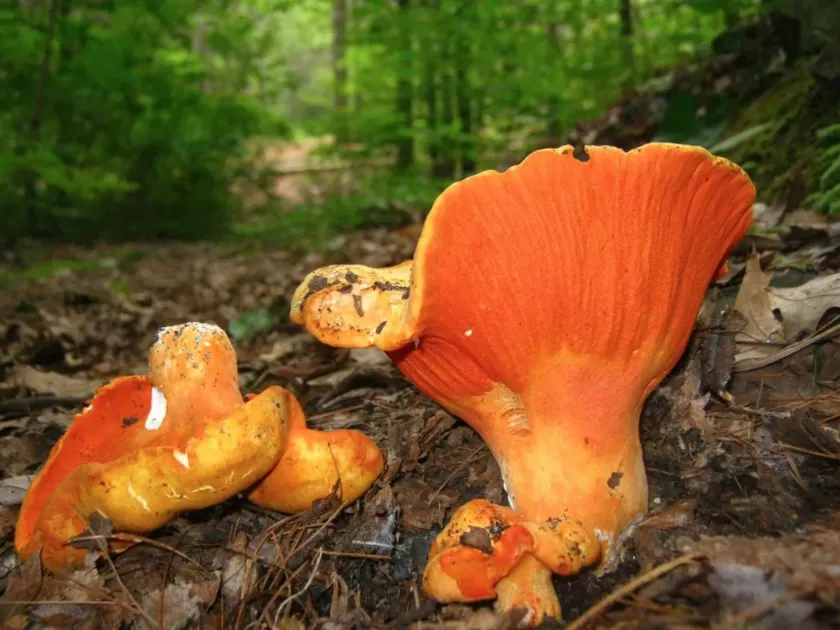
The primary diagnostic sign of their presence is the development of fruit bodies (mushrooms) with brittle flesh. The Russula genus typically displays caps in various colors, while the Lactarius genus is identified by the presence of latex (milky sap) when the flesh is damaged.
The gills of these fungi are often attached to the stipe, and they lack the rhizomorphs or necrotic symptoms characteristic of destructive root-rot pathogens. They live in close association with tree roots.
Mycelium from this family forms ectomycorrhizae on tree roots, which is a vital mechanism for nutrient uptake in woody plants. This structural link should not be mistaken for a parasitic infection by the field manager.
Observation of these mushrooms usually occurs during periods of high humidity and moderate temperatures, marking the climax of the fungal reproductive cycle within the root zone of associated trees.
Pathogen
It is scientifically incorrect to classify the Russulaceae family as a disease-causing agent for agricultural crops. These fungi are obligate mycorrhizal symbionts, meaning they rely on a mutually beneficial relationship with host plants.
They belong to the division Basidiomycota. Unlike necrotrophic pathogens, Russulaceae support the plant's health by extending the reach of the root system and assisting in water and mineral absorption from the soil.
The confusion often arises when agricultural workers observe fungal activity near dying trees and assume the fungus is the primary killer. In reality, the fungi colonize the root zone long before the tree shows any signs of stress, provided the tree is healthy.
The biology of these fungi is strictly linked to their host trees. They do not possess the enzymatic machinery to degrade healthy plant tissue, which separates them clearly from phytopathogenic species.
Agronomic literature highlights the importance of preserving these fungi as indicators of soil biodiversity and the health of windbreak systems that protect farm lands from environmental stress.
Conditions for development
The development of Russulaceae fruit bodies depends heavily on soil moisture levels and the presence of suitable woody host species. They flourish in stable, undisturbed soil environments found in well-maintained forest strips.
Temperature is a key limiting factor; most species thrive during the growing season when the soil moisture is sufficient to support both the fungal mycelium and the plant root metabolism.
Soil pH levels and organic matter content significantly influence the species diversity of the family. Acidic soils rich in humus provide an ideal substrate for the proliferation of their mycelial networks.
Chemical applications, specifically heavy fungicide drift, can suppress their activity. Protecting these areas from chemical runoff is essential for maintaining the beneficial fungal population.
Proper aeration is necessary for the metabolic activity of the mycorrhizal network. Soil compaction caused by heavy agricultural machinery is a leading cause of the decline of these fungi in areas bordering field crops.
Why it matters
There is no direct harm posed by the Russulaceae family to agricultural crops. They are beneficial components of the ecosystem that promote soil structure and nutrient cycling in forest edges.
Any perceived harm is typically a result of misdiagnosis. Treating these areas with fungicides to "control" these mushrooms is counterproductive and may damage the tree roots by destroying their protective mycorrhizal partners.
The fungi do not compete with crops for resources, as their ecological niche is primarily restricted to the root zones of trees in forest buffers, separated from annual crop root systems by distance and host specificity.
In terms of farm management, these mushrooms serve as positive indicators of soil quality. Their presence confirms that the ecosystem is functioning correctly and has not been overly degraded by industrial practices.
Economic damage is absent. Instead, these fungi contribute to the longevity and health of tree belts, which provide essential wind protection for agricultural crops during severe weather events.
Protection
Control measures are unnecessary and should not be implemented, as Russulaceae are not pests. The recommended management strategy is to protect the forest strips as vital reservoirs of beneficial soil biota.
Farmers should implement buffer zones during spray operations to prevent pesticides from reaching areas where mycorrhizal fungi are concentrated, ensuring the health of the windbreak system.
Practices that improve soil organic matter and reduce soil compaction are the best ways to support the natural mycorrhizal population, which in turn benefits the overall stability of the farm's environment.
No eradication efforts should be directed toward these mushrooms. They are natural indicators of healthy forest soil and play a crucial role in maintaining tree resilience.
When assessing tree health in windbreaks, managers should look for signs of true pathogens like Armillaria or Phytophthora rather than focusing on beneficial Russulaceae species.
Discussion
No discussions yet — be the first.