
False Russula
Russula pseudointegra
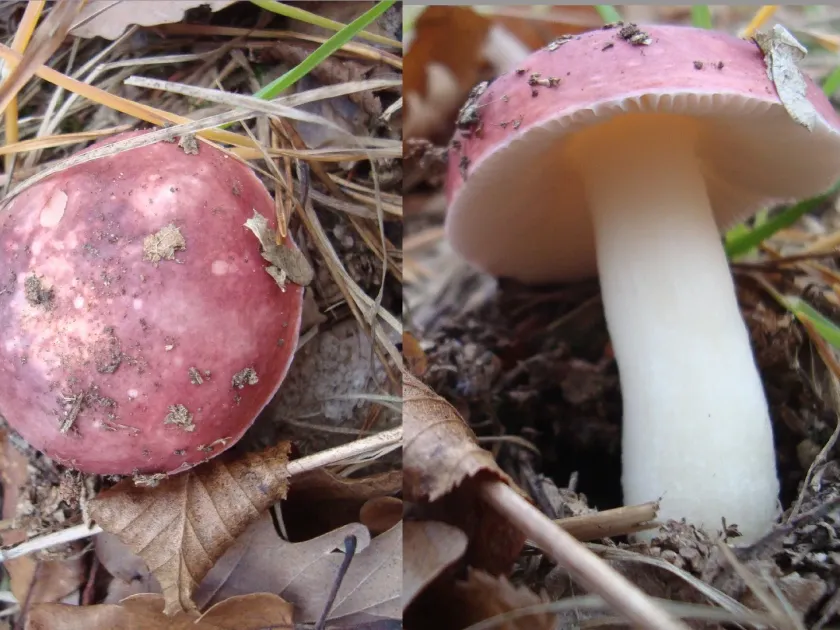
Description
Pathogen
The False Russula (Latin: Russula pseudointegra) is a species of fungi belonging to the Russulaceae family. In the context of agronomy, it is not classified as a plant pathogen, as it does not infect agricultural crops or cause pathological damage to vegetation.
This fungus is primarily known for its role as a mycorrhizal partner in forest ecosystems. It forms symbiotic relationships with the root systems of deciduous trees, such as oaks and beeches, facilitating nutrient exchange and supporting the growth of forest stands.
The morphology of Russula pseudointegra includes a distinctively red or brick-colored cap and white gills that turn creamy with maturity. It is notable for its extremely acrid and pungent taste, which serves as a natural deterrent against many herbivores.
From a mycological perspective, it is categorized as non-edible or mildly toxic. Consumption of this mushroom is generally discouraged as it can lead to acute gastrointestinal distress, including vomiting and abdominal pain.
The organism thrives by developing an extensive mycelial network in forest soil. This network is essential for its survival and its ongoing interaction with the host trees, which provide the carbon sources necessary for the mushroom to fruit.
Conditions for development
The development of the False Russula is highly dependent on specific soil moisture levels and the presence of organic litter. It typically emerges during the late summer and autumn seasons when forest humidity is sufficiently high.
Ideal temperatures for its growth range from 15°C to 22°C. While it is hardy in its mycorrhizal state, the production of visible fruit bodies requires stable microclimatic conditions, avoiding extreme heat or freezing temperatures.
This species favors forest soils with neutral or slightly acidic pH levels. Nutrient-rich soil that facilitates the development of fine root hairs of host trees is essential for successful colonization and mycorrhizal support.
Spore dissemination is facilitated by air currents and local fauna. These spores settle in the forest floor and, under favorable conditions, germinate to form a new mycelial colony, which eventually establishes a connection with a compatible tree host.
Environmental stability is key to the persistence of Russula pseudointegra. Any significant disturbance to the forest soil structure, such as soil compaction or heavy machinery use, can adversely affect the mycelial mat and inhibit its ability to fruit.
Discussion
No discussions yet — be the first.