
Russula omiensis
Russula omiensis
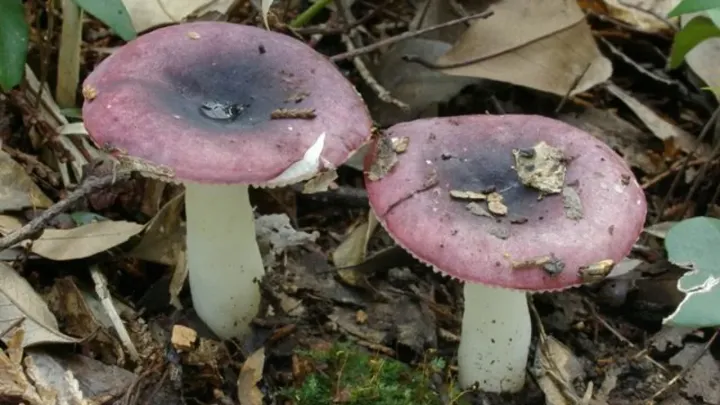
Description
Symptoms
The primary sign of the presence of this fungus is the emergence of fruiting bodies. These bodies appear in forest environments, typically during the peak growing season when moisture levels are sufficient.
The cap of the mushroom exhibits specific colors and textures, which may change as it matures. The brittle nature of the gills is a diagnostic feature typical of the genus Russula.
The stalk is generally cylindrical and solid yet fragile. It lacks any rings or volva, features that are common in other types of gill fungi, which makes it easier to categorize.
Underground, the mycelium forms dense mats in the soil and around roots. While not visible to the naked eye, these structures are essential for the survival and growth of the fungal colony.
Groups of Russula omiensis often appear near the base of specific tree species, highlighting their reliance on the symbiotic partnership for successful growth and development throughout the forest floor.
Pathogen
Russula omiensis is a species of mushroom belonging to the family Russulaceae. It is important to clarify that this organism is not a plant pathogen and does not cause diseases in agricultural crops or forest trees.
As a mycorrhizal fungus, it forms a symbiotic relationship with the roots of various tree species. This biological interaction is beneficial for the host plant, as the fungus assists in the uptake of nutrients and water from the soil.
The fungus is a vital component of forest soil ecosystems. It operates through an extensive underground mycelial network that connects various plant organisms, facilitating a balanced nutrient exchange.
Taxonomically, it is identified based on specific morphological features and spore characteristics. It serves as an indicator of forest health, requiring stable conditions for its ongoing existence and ecological function.
Modern mycological studies focus on its evolutionary history and its role in biodiversity. Understanding its biology helps researchers appreciate the complexity of fungal-plant interactions in natural environments.
Conditions for development
The growth of Russula omiensis depends heavily on the specific forest microclimate. It thrives in soils with high organic matter content, typically found in established, undisturbed woodlands.
Humidity is a critical factor for the emergence of fruiting bodies. Extended periods of rain following moderate temperatures usually trigger the development cycle of the fungus in its natural habitat.
Soil pH levels and the availability of specific minerals are essential for the maintenance of its mycorrhizal network. Variations in soil chemistry can drastically impact the vitality of the fungal colony.
Shade provided by the forest canopy is necessary to prevent the soil from drying out excessively. This protection maintains the delicate balance required for the fungus to persist beneath the leaf litter.
Environmental stability is paramount for the health of Russula omiensis. Anthropogenic disturbances, such as soil compaction or deforestation, disrupt the symbiotic links, potentially leading to local extinction.
Discussion
No discussions yet — be the first.