
Olive brittlegill
Russula olivacea
Description
Symptoms
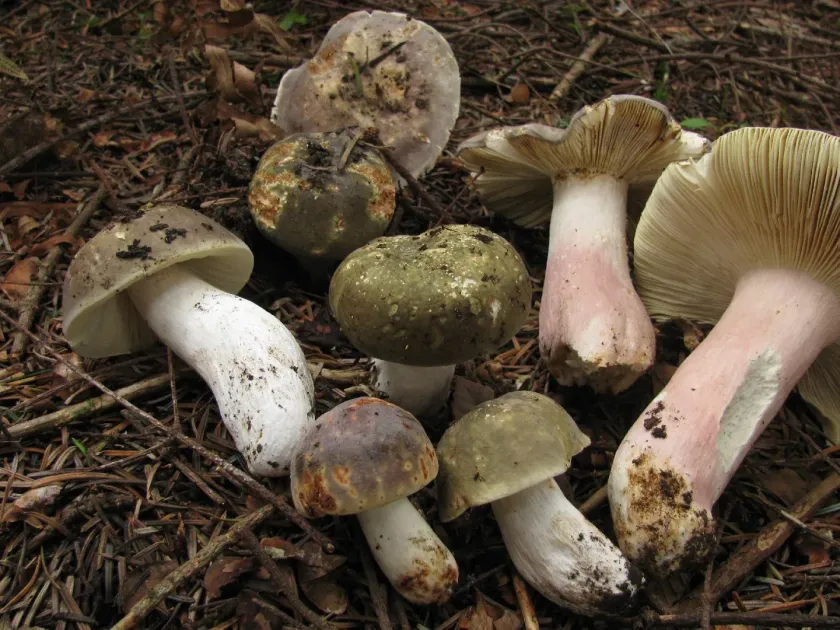
The fruit body of the Olive brittlegill features a large cap, typically 5–15 cm in diameter, which may range from olive-green to brownish or even purplish hues.
The gills are cream-colored in young specimens but turn an ocher or yellowish color as the spores mature, which is a characteristic feature of this species.
The stem is robust and white, often with a slight pinkish tint, and possesses a firm texture that is common among high-quality edible Russula mushrooms.
The flesh is dense and lacks any milky exudate, which serves as a definitive field identification characteristic distinguishing it from the Lactarius genus.
The taste of the flesh is mild and nutty, lacking any acrid or bitter qualities, which makes it popular among mushroom collectors and foragers.
Pathogen
The Olive brittlegill (Russula olivacea) is not a plant pathogen or a disease-causing agent. It is a basidiomycete fungus classified within the Russulaceae family.
This fungus is a well-known mycorrhizal partner that forms symbiotic relationships with the root systems of various forest trees, particularly conifers and deciduous species.
Unlike parasitic fungi that invade plant tissues and cause diseases, Russula olivacea provides essential nutrients and water to the host tree in exchange for carbohydrates.
The fungus is ecologically beneficial, contributing to tree health and resilience by extending the root system and improving nutrient uptake from the soil.
Classifying this species as a plant disease is inaccurate, as it represents a vital component of healthy forest ecosystems and symbiotic plant biology.
Conditions for development
The growth and fruit body formation of Russula olivacea depend heavily on the presence of suitable host trees and a stable forest soil environment.
The fungus thrives in moist, temperate woodlands with rich organic matter, which provides the necessary conditions for mycelial development.
Temperature fluctuations and rainfall patterns are critical, with the most active fruiting periods occurring during late summer and autumn months.
Soil acidity and the presence of healthy leaf litter are also significant factors in maintaining the viability of the fungus in its natural habitat.
Environmental stability is essential, as soil disturbance or excessive pollution can negatively impact the mycorrhizal network formed by this fungus.
Why it matters
The Olive brittlegill poses no threat to agricultural or horticultural crops, as its life cycle is confined to forest habitats and specific tree hosts.
It does not cause rots, blights, or any other plant diseases that would necessitate management or the use of chemical pesticides in farming operations.
Instead, its presence indicates a healthy forest ecosystem, as the mushroom contributes to the symbiotic health and longevity of the trees it associates with.
There is no economic damage associated with this mushroom; rather, it is valued for its culinary properties and ecological importance in wild areas.
Therefore, characterizing Russula olivacea as a disease is biologically incorrect, as it serves a supportive role rather than a destructive one.
Protection
No control measures are necessary for the Olive brittlegill, as it is a beneficial part of the forest community and not a pest or pathogen.
The application of fungicides in areas where this mushroom grows is counterproductive and harmful to the natural biodiversity of the forest soil.
Conservation of forest areas and soil integrity is the only required management practice to ensure the continued existence of this mycorrhizal species.
Management strategies for plant diseases should never include the suppression of mycorrhizal fungi, as they are crucial for forest sustainability.
Ultimately, the Olive brittlegill should be protected and appreciated as a vital element of forest health rather than managed as a target for eradication.
Discussion
No discussions yet — be the first.