
Russula heterophylla
Russula heterophylla
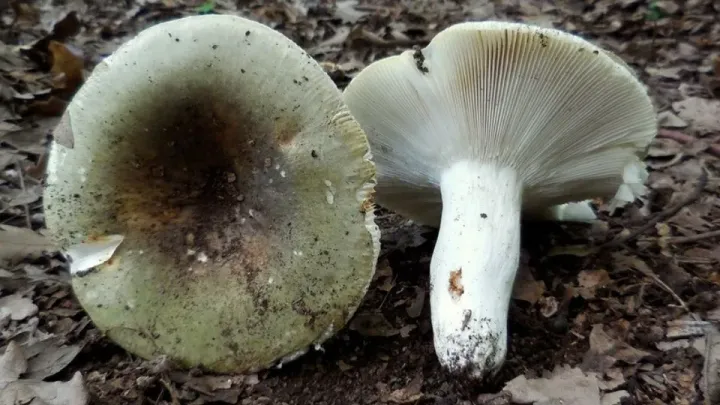
Description
Pathogen
Russula heterophylla is not a plant disease or a pathogen. It is a well-known edible mushroom species that belongs to the Russulaceae family, primarily known for its mycorrhizal symbiotic lifestyle.
The fungus does not possess the biological mechanisms required to parasitize plants. It does not infect, decay, or damage living plant tissues, which is a prerequisite for classifying an organism as a plant pathogen.
Its life cycle is based on a mutualistic relationship with trees, mainly species like beech and oak, where the fungus exchanges nutrients for carbohydrates from the roots.
Mycology experts confirm that this species lacks the virulent factors associated with root rot or vascular wilts, making it completely harmless to agricultural crops.
Any association of this mushroom with plant diseases is a misunderstanding, as it serves as a beneficial partner to woody plants rather than a destructive agent.
Conditions for development
The growth and development of Russula heterophylla mycelium are strictly dependent on the presence of specific tree partners in stable forest ecosystems.
Environmental requirements include a high level of organic matter, forest litter, and adequate moisture levels typical of deciduous forest soil horizons.
Spore dispersal is facilitated by wind, but successful colonization occurs only in specific environments where forest tree roots are available for forming the mycorrhizal network.
Agricultural fields do not provide the necessary ecological niche, such as perennial root systems and specific soil conditions, for this mushroom to survive.
Consequently, the conditions for the development of this species are entirely incompatible with modern intensive crop production systems.
Why it matters
Russula heterophylla causes no harm to agricultural production. It poses zero threat to crops, vegetables, or ornamental plants in commercial cultivation.
Within forest environments, it actually provides ecological benefits by improving tree resilience and nutrient uptake through its mycorrhizal association.
There are no recorded instances where this mushroom was identified as a cause of crop yield reduction, plant death, or any form of agricultural pathology.
Because it is a non-parasitic fungus, it cannot be considered a plant pest or disease vector under any circumstances recognized by agronomy.
The presence of this fungus is generally considered a sign of a balanced forest ecosystem rather than a risk factor for neighboring agricultural lands.
Discussion
No discussions yet — be the first.