
Russula amoena
Russula amoena
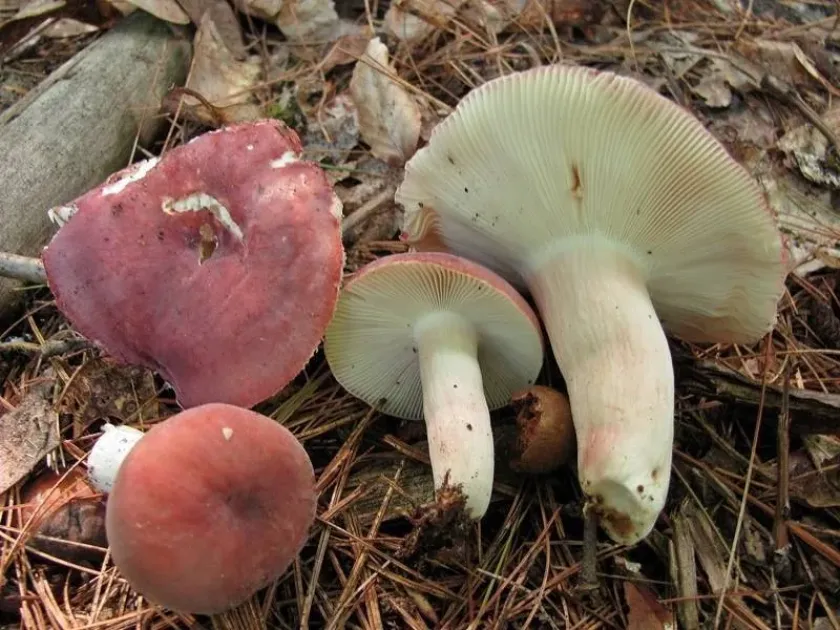
Description
Pathogen
It is important to clarify that Russula amoena is not a plant pathogen and does not cause any diseases in crops or trees.
This species belongs to the Russulaceae family and is recognized as a beneficial mycorrhizal fungus that forms symbiotic associations.
Unlike pathogenic fungi that consume plant tissue, this species relies on a mutualistic relationship to obtain carbon compounds from the host.
In modern mycological and botanical contexts, it is classified as a helpful component of healthy forest soils rather than an infection agent.
There is no evidence in agricultural literature to support any claims that this fungus acts as a disease-causing organism for plants.
Conditions for development
Russula amoena typically thrives in environments where it can associate with specific deciduous trees, such as oaks and beeches.
The development of its mycelial network requires a stable microclimate characterized by high humidity and moderate temperatures.
Soil conditions play a critical role, as the fungus prefers organic-rich, slightly acidic, or neutral forest soils to support its growth.
Successful development is closely tied to the preservation of leaf litter and the overall health of the soil microbiome.
The fungus is highly sensitive to soil compaction and synthetic chemical inputs, which can hinder the establishment of mycorrhizal connections.
Why it matters
This fungal species poses no harm to agricultural plants, horticultural crops, or forest trees.
Its biological activity is confined to the rhizosphere, where it assists in the nutrient uptake and water absorption processes of the host plant.
There are no symptoms of infection, such as necrosis, wilting, or tissue degradation, associated with the presence of this fungus.
From an agricultural management perspective, its presence is a sign of soil biological health rather than a sign of a disease outbreak.
The economic impact of this species is positive, as it supports the vitality of its host trees in natural settings.
Protection
No control measures are needed for Russula amoena because it is not a pest or a disease, but rather an integral part of the ecosystem.
Farming practices should prioritize the preservation of healthy soil biology to encourage beneficial mycorrhizal relationships.
Indiscriminate use of fungicides should be avoided as it can destroy beneficial fungi that contribute to plant resistance and nutrient absorption.
Integrated pest management protocols should focus on distinguishing between beneficial symbionts and actual plant-pathogenic threats.
Education on fungal identification is key for agronomists to prevent unnecessary interventions against beneficial forest mushroom species.
Discussion
No discussions yet — be the first.