
Russula
Russula
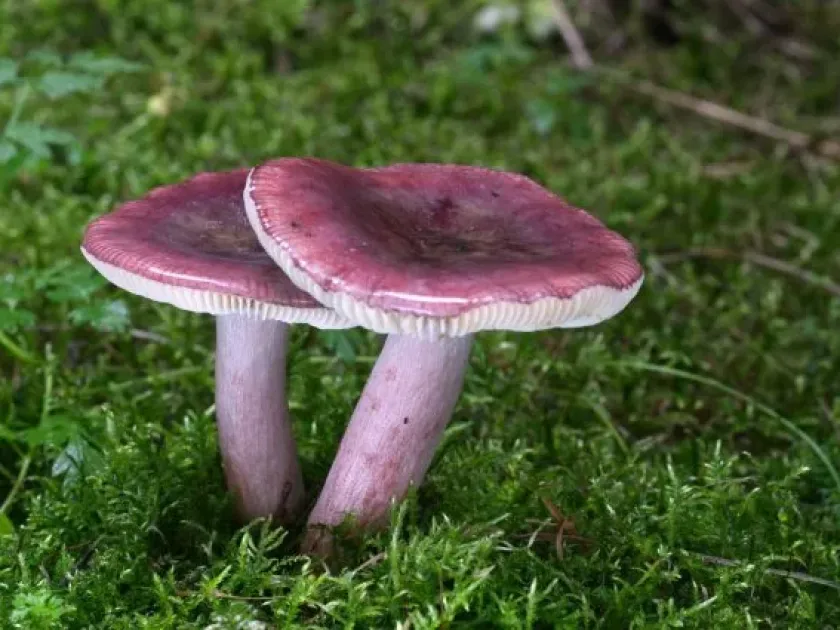
Description
Symptoms
It is important to clarify that Russula is not a plant disease. These are agaric fungi that exist as saprotrophs or mycorrhizal symbionts.
Signs of their presence are limited to the emergence of mushrooms with colorful caps, which often appear in gardens, forests, or near trees.
These fungi do not produce necrosis, rot, spots, or any structural deformities on the leaves, stems, or roots of cultivated plants.
Their presence in the garden is an indicator of fertile, healthy, and organic-rich soil rather than a sign of a pathological condition.
If your plants are suffering from wilting or discoloration, look for other causes; the presence of Russula is strictly coincidental.
Pathogen
The Russula fungus is not a pathogen. It does not possess the biological machinery required to attack or infect healthy living plant tissue.
It belongs to the family Russulaceae and is biologically incapable of causing diseases in vegetables, fruits, or cereals.
These fungi are well-known for their symbiotic mycorrhizal relationships with various tree species, which often aid in nutrient uptake.
There is no parasitic phase in the life cycle of the Russula genus concerning agricultural or garden crops.
Classification in plant pathology never lists Russula as a harmful organism or a causative agent of plant ailments.
Conditions for development
Growth of the fungal mycelium requires high soil moisture, moderate temperatures, and a nutrient-rich environment.
Russula mushrooms thrive in shaded areas where soil temperatures remain relatively cool and protected from direct sunlight.
Optimal conditions typically occur following heavy or consistent rainfall, allowing the fruit bodies to develop rapidly from the soil.
The mycelium often persists in the soil for years, waiting for the specific environmental cues needed to produce mushrooms.
They are sensitive to heavy chemical applications and soil disturbance, which is why they are rarely found in heavily managed industrial fields.
Why it matters
There is no economic harm or damage caused by Russula to agricultural operations or home gardening.
These fungi act as decomposers, breaking down organic matter and contributing to the natural cycling of nutrients in the soil.
They do not compete with crops for resources, nor do they produce toxins that would inhibit plant growth or development.
While some mushrooms are toxic to humans if consumed, they represent zero risk to the plant health or agricultural yield.
In fact, the mycorrhizal activity associated with this genus is often beneficial for tree health and overall soil biological diversity.
Protection
Since Russula is not a disease, there are no control measures, chemical treatments, or prophylactic sprays required for this fungus.
If their presence is undesirable, simply improving soil aeration and drainage will naturally discourage fungal growth.
Regular cultivation of the soil and removing excessive organic litter will reduce the habitat suitable for mycelium development.
There is no need for fungicide application, as these chemicals are designed for parasites and will not solve the appearance of saprotrophs.
In all cases, Russula should be managed as a natural part of the garden environment rather than a target for eradication.
Discussion
No discussions yet — be the first.