
Fruit tree bark necrosis
Rugonectria rugulosa
Description
Symptoms
The initial symptoms are often localized patches of discolored, sunken bark. These areas typically turn brownish or reddish-brown as the fungal infection causes the underlying tissues to die.
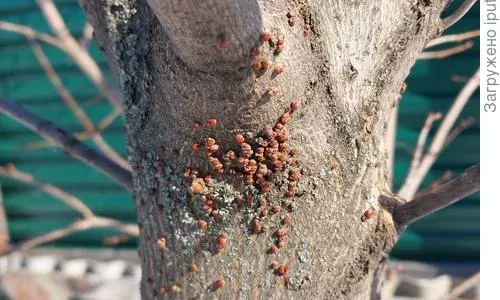
Small, reddish to orange-red fruiting bodies (perithecia) often emerge from the dead bark. These are visible signs of the fungus actively producing spores, indicating that the infection is established.
As the necrosis progresses, the bark cracks and peels, revealing the dark, decayed wood beneath. These deep cracks are classic indicators of the disease's advancement into the trunk and larger branches.
Foliar symptoms include yellowing, wilting, and premature leaf drop on affected branches. This occurs because the fungal damage blocks the tree's conductive tissues, leading to water stress in the canopy.
In severe cases, the infected branches die back completely. If the necrosis circles the trunk or a scaffold branch, the entire section above the infected zone will eventually wither and die.
Pathogen
The disease is caused by the fungus Rugonectria rugulosa (formerly Nectria rugulosa). This ascomycete fungus is a specialized parasite that attacks the bark, cambium, and phloem of fruit trees.
The pathogen thrives by colonizing the woody tissues of its host. It survives in necrotic wood, producing small, grouped fruiting bodies that serve as the primary source of inoculum for new infections.
The fungus produces both conidia and ascospores throughout the growing season. These spores are highly mobile and are disseminated by water splashes, wind, and contaminated pruning tools.
Infection primarily occurs through mechanical wounds. Injuries such as frost cracks, sunscald, pruning cuts, or insect damage provide the necessary entry points for the fungal mycelium to invade.
Once inside, the mycelium colonizes the inner bark and cambial layer. This disrupts the tree's vascular system, preventing the effective transport of water and nutrients, which eventually kills the infected sections.
Conditions for development
High humidity and mild temperatures are the primary environmental drivers for the development of Rugonectria rugulosa. Wet autumn and spring seasons significantly increase infection rates.
Trees stressed by drought, poor soil conditions, or extreme winter temperatures are significantly more susceptible to colonization by the pathogen compared to healthy, vigorous trees.
Poor orchard hygiene plays a major role in the spread of the disease. Dense, unpruned canopies that lack proper airflow maintain high moisture levels, creating an ideal environment for fungal spores.
Mechanical damage to the bark is a critical factor. Failure to protect large pruning wounds allows the fungus to gain easy access to the plant's internal systems during humid weather.
Improperly cleaned pruning equipment is a common vector for spreading the pathogen from infected to healthy trees. Spores easily adhere to blades, facilitating rapid transmission within the orchard.
Why it matters
The primary damage caused by bark necrosis is the reduction of tree vitality. The loss of functional bark tissues limits the tree's ability to maintain healthy growth and fruit production.
Fruit quality and quantity decline significantly as the tree struggles to survive the infection. The stress induced by the fungus forces the plant to prioritize defense over reproductive development.
Increased vulnerability to winter cold and other pests is a direct consequence of the disease. A tree weakened by necrosis often becomes an easy target for wood-boring insects and other secondary diseases.
If left uncontrolled, the disease can lead to the total loss of trees within a few seasons. This represents a substantial financial and resource loss for commercial and hobbyist fruit growers.
Structural damage is also a concern, as infected branches become brittle. This increases the risk of limb breakage during heavy harvests or storms, posing a safety hazard to orchard workers.
Protection
- Pruning out infected branches at least 10-15 cm below the visible necrosis to remove all infected tissue.
- Sterilizing all pruning tools with a 70% alcohol solution or bleach between every cut to prevent cross-contamination.
- Applying wound sealants or protective paints to large pruning cuts to prevent fungal entry.
- Maintaining tree vigor through balanced fertilization and appropriate irrigation to boost natural defense mechanisms.
- Applying copper-based fungicidal sprays during the dormant season and early spring to reduce spore populations.
Discussion
No discussions yet — be the first.