
Rhytismatales fungi
Rhytismatales
Description
Symptoms
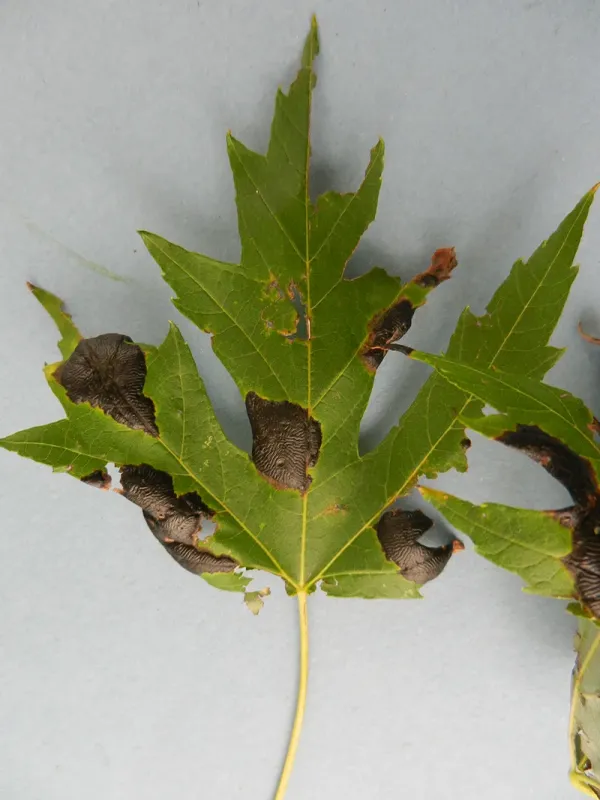
The most distinctive symptom of Rhytismatales infection is the development of raised, tar-like black spots on the surface of the leaves or needles.
A yellow or light green chlorotic halo often surrounds these black spots, representing the plant's defense response to the fungal colonization.
Coniferous trees infected by these fungi frequently show symptoms such as premature yellowing, browning, and extensive needle drop throughout the season.
As the infection progresses, the fungal fruiting bodies erupt through the epidermis, creating visible ruptures or cracks on the leaf surface.
- Raised, black, shiny spots (stromata) on leaves.
- Yellow chlorotic halos surrounding the black lesions.
- Premature needle or leaf fall in mid-summer.
- Reduced vigor and stunted growth of the host plant.
Pathogen
Rhytismatales fungi belong to the order of ascomycetes, which includes several specialized pathogens capable of infecting various trees and shrubs.
These fungi are well-known for their specific life cycle, often producing dense, black, shiny stromata that develop directly within the host's plant tissues.
The fungus acts as a parasitic organism, deriving nutrients from leaves or needles while damaging the plant's structural integrity during the growing season.
Their reproduction involves the release of spores from structures that break through the plant surface, ensuring dispersal to new healthy foliage in the vicinity.
The taxonomic diversity of this order covers a wide range of host plants, ranging from maple trees affected by tar spot to conifers plagued by needle casts.
Conditions for development
The development of Rhytismatales is highly dependent on environmental conditions, particularly high humidity and persistent rainfall during the early growing season.
Moisture is essential for the germination of fungal spores, and stagnant air around dense foliage provides the perfect environment for infection to spread.
Moderate temperatures during spring and early summer act as a catalyst for the activation of fungal spores residing in the leaf litter from previous years.
Poorly ventilated areas or sites with dense canopy structures significantly increase the probability of severe outbreaks in garden or forest ecosystems.
Stressed trees, due to lack of nutrients or poor growing conditions, are often the first to succumb to these fungal attacks, highlighting the role of host health.
Why it matters
The primary harm caused by these fungi is the significant reduction in photosynthetic capacity, which directly affects the tree's energy storage and health.
Premature leaf drop prevents the tree from storing enough carbohydrates for winter survival, which may lead to dieback or increased susceptibility to frost.
In ornamental plants, the aesthetic damage is often severe, making the trees unsuitable for landscape purposes and lowering their market value.
Long-term infections can lead to a general decline in the tree's health, making it more susceptible to secondary pests and various opportunistic pathogens.
In forest plantations, heavy infestations result in reduced growth rates and timber quality, posing a significant economic challenge for forestry management.
Protection
The most critical control measure is the thorough removal and destruction of fallen leaves and needles, which serve as the primary source of overwintering inoculum.
Proper pruning practices that improve air circulation within the tree canopy help keep leaves dry and discourage the germination of fungal spores.
Fungicidal treatments can be effective when applied as a preventative measure early in the season, typically coinciding with bud break and leaf emergence.
Maintaining optimal tree vigor through balanced fertilization and proper irrigation helps the host plant build natural defenses against fungal infections.
Regular inspection and monitoring of trees allow for early detection, enabling gardeners to manage local outbreaks before they reach a significant scale.
Discussion
No discussions yet — be the first.