
Rhopalomycosis
Rhopalomyces
Description
Symptoms
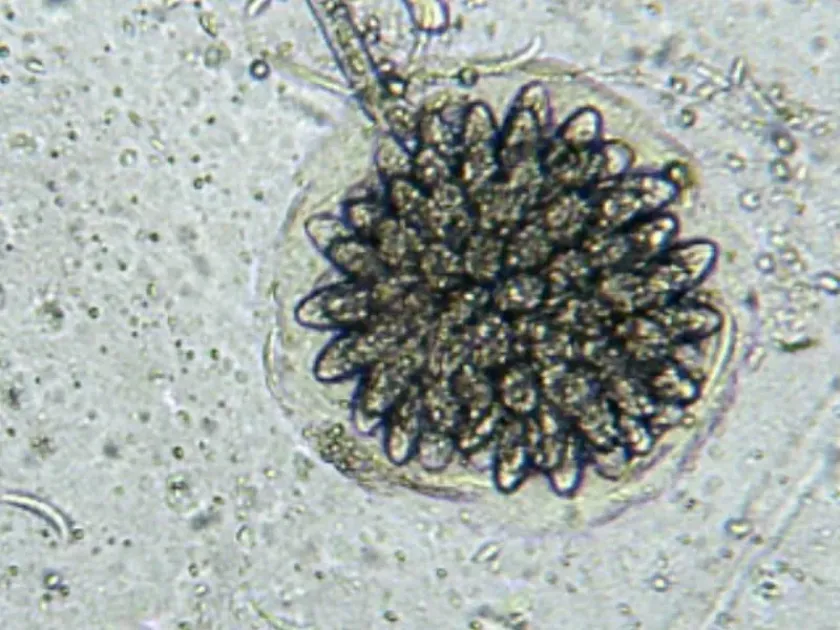
The primary symptom of infestation is the development of a white or grayish mycelial mat on the surface of substrates or infected host tissues. Under magnification, the characteristic club-shaped sporulation structures are visible.
When the fungus attacks nematode egg masses or small insects, the host tissues undergo complete structural disintegration as the fungus digests the internal contents.
Field diagnosis is challenging because the fungus often blends in with other soil microflora. Accurate identification typically requires laboratory analysis, including microscopic examination of the fungal colonies.
In cases of root zone infection, plants may show symptoms of poor vigor or stunted growth, resulting from the fungal activity around the root system, especially in high-moisture conditions.
The presence of specific symptoms in laboratory cultures, such as the unique morphology of the conidia-bearing heads, serves as the definitive diagnostic feature for the genus Rhopalomyces.
Pathogen
The causative agent of rhopalomycosis is a microscopic fungus belonging to the genus Rhopalomyces (phylum Zygomycota). These fungi are well-known in nature as specialized entomopathogens.
These organisms are primarily adapted to parasitize the eggs of nematodes and various small soil invertebrates, using their enzymatic activity to decompose host tissues.
Biologically, the fungus produces distinctive club-shaped conidiophores that are characteristic of this genus. These structures bear spores which are crucial for the fungus's dispersal in soil environments.
Rhopalomyces species typically exhibit facultative saprotrophic behavior, meaning they can thrive on decaying organic matter when a primary host is not readily available.
The genetic versatility of this fungus allows it to adapt to various soil conditions, ensuring its survival and persistence in agricultural ecosystems throughout the year.
Conditions for development
High soil moisture is the most critical factor for the development of rhopalomycosis. The fungus requires consistent water availability for the germination of spores and the expansion of its mycelial network.
The optimal temperature range for fungal development is between 20°C and 25°C. Temperatures significantly above or below this range can slow down metabolic processes and limit the spread of the fungus.
The availability of abundant organic matter in the soil provides a perfect nutrient source, promoting rapid colonization by the fungus. Fresh organic amendments often create "hotspots" for infection.
Soil pH plays a significant role in the competitiveness of the fungus; neutral to slightly acidic conditions are preferred, while highly alkaline soils can suppress its overall metabolic activity.
The presence of suitable hosts, such as nematode populations, acts as a primary driver for maintaining the fungal population density in the soil over the growing season.
Why it matters
The main danger of rhopalomycosis is the disruption of soil microbiological balance. By preying on beneficial soil fauna, the fungus can indirectly impede nutrient cycling and plant development.
In greenhouse operations, uncontrolled growth of the fungus in potting mixes can lead to significant losses in seedling production, as the pathogen can damage the delicate root systems of young plants.
The fungus can also negatively impact stored seeds that are kept in humid conditions, potentially decreasing germination rates and weakening the seeds before they are even planted.
Root damage caused by the fungal activity leaves the plants vulnerable to secondary infection by other opportunistic pathogens, potentially leading to systemic plant decay.
While Rhopalomyces is not considered a catastrophic crop destroyer, its prevalence in intensive farming systems necessitates management to prevent the degradation of vital soil resources.
Protection
The most effective management strategy involves regulating moisture levels in both greenhouse substrates and field soils. Improving drainage is essential to preventing stagnant water conditions.
Proper composting of organic matter before application to the soil is vital. Using well-decomposed compost significantly reduces the risk of introducing or fostering high concentrations of the fungus.
Biological control methods, specifically the use of antagonistic fungi like Trichoderma species, are highly recommended to compete with Rhopalomyces for space and nutrients in the soil.
Regular aeration of the soil environment helps to maintain an aerobic state, which is less favorable for the growth and reproduction of most harmful soil-borne fungal pathogens.
In severe infestation cases within controlled environments, chemical or thermal sterilization of growth media is the most reliable way to eliminate the pathogen and protect healthy crops.
Discussion
No discussions yet — be the first.