
Rhopalodiaceae algae
Rhopalodiaceae
Description
Symptoms
The most visible symptom is the formation of a slimy, brown, or golden-colored coating on the surface of soil, growing media, or irrigation hardware.
In root zones, these algae can form a thick layer that prevents necessary oxygen transfer to the roots, potentially leading to signs of wilting.
Initial growth appears as a fine, velvety film that progressively thickens into a slippery mass as the algae colony matures.
Affected plants may show slowed growth rates, nutrient deficiency symptoms such as leaf chlorosis, and general signs of lack of vigor.
A clear indication of infestation is the clogging of emitters, filters, and drip lines by dense algal biomass.
Pathogen
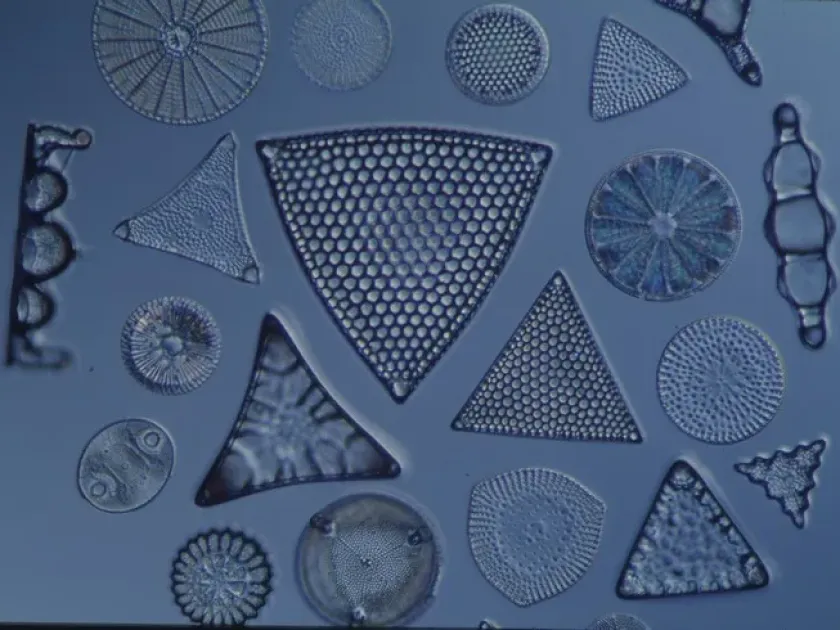
Rhopalodiaceae are a family of diatom algae that can develop in agricultural systems, particularly in environments with high humidity and nutrient levels.
Although they do not infect plant tissues in a parasitic manner, their presence is considered a form of biological interference that disrupts standard cultivation practices.
These organisms possess silica cell walls, making them resistant to environmental stressors and difficult to eliminate once established.
They thrive as photoautotrophs, utilizing light and available nutrients to colonize surfaces rapidly in greenhouse and hydroponic settings.
The reproduction of these algae occurs primarily through vegetative growth and spore dissemination, leading to quick spreading across irrigation components.
Conditions for development
The development of Rhopalodiaceae is driven by a combination of high moisture levels and constant light exposure.
Excessive concentrations of nutrients, particularly phosphorus and nitrogen, in the irrigation solution facilitate aggressive colonization.
Temperature ranges between 20°C and 28°C provide an ideal environment for the metabolic processes of these diatomaceous organisms.
Poor drainage and lack of air circulation create the stagnant conditions that allow algae to establish colonies on surfaces and growing media.
High pH levels in the root zone can also contribute to the precipitation of mineral salts, which provides a physical substrate for algae attachment.
Why it matters
The primary harm is the competitive uptake of essential mineral nutrients, leading to deficiencies in the cultivated crops.
The dense algal biofilm inhibits gas exchange in the rhizosphere, which can cause root suffocation and increase susceptibility to secondary infections.
Algal activity can shift the chemical environment of the growing media, negatively impacting the efficiency of nutrient uptake by plant roots.
In commercial agriculture, the physical accumulation of biomass causes the failure of precision irrigation systems and increases maintenance costs.
The resulting slime layer creates a breeding ground for pests such as fungus gnats, further complicating greenhouse management.
Protection
Limiting light exposure to the surface of the growing media using reflective covers or weed mats is the most effective preventative measure.
Regular sanitation of irrigation systems using hydrogen peroxide or registered algaecides helps to manage population levels effectively.
Optimizing fertilizer concentrations and ensuring proper nutrient management can significantly reduce the potential for algal blooms.
- Regular cleaning and flushing of irrigation lines
- Improving greenhouse ventilation to reduce humidity
- Using algae-resistant substrates
- Application of biological control agents
Strict hygiene protocols, including disinfecting tools between cultivation zones, are essential to prevent the spread of algal spores.
Discussion
No discussions yet — be the first.