
Rhodosporidiosis
Rhodosporidium
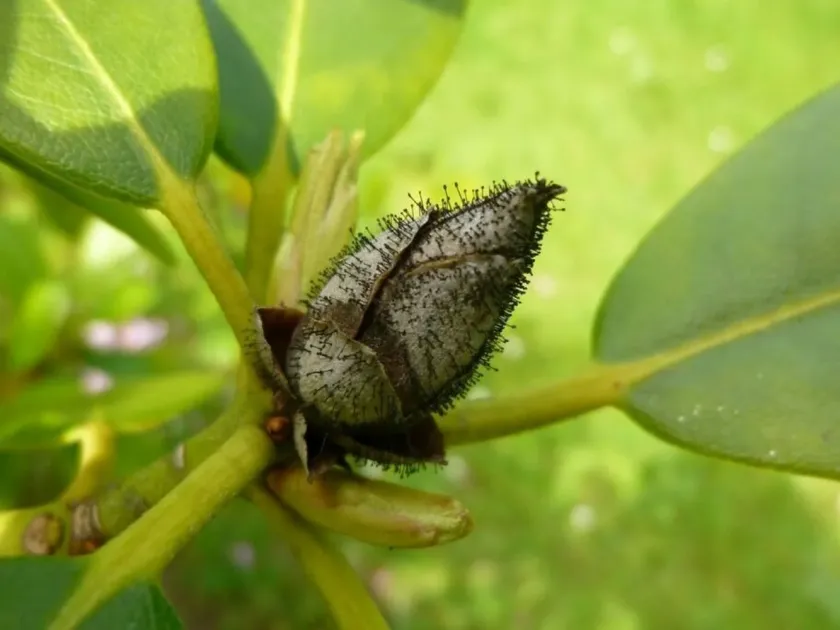
Description
Pathogen
Rhodosporidiosis is caused by microorganisms belonging to the genus Rhodosporidium. These are basidiomycetous yeast-like fungi characterized by their ability to transition between yeast and mycelial growth forms.
The fungus is known for producing carotenoid pigments, which result in the distinct pink, orange, or red appearance of its colonies on plant surfaces.
Its biological cycle includes both asexual reproduction by budding and sexual reproduction, providing the pathogen with significant genetic adaptability to environmental conditions.
The pathogen often exists as an epiphyte on the phyllosphere of host plants, remaining dormant or growing slowly until environmental triggers favor its pathogenic development.
Beyond its role as a plant pathogen, this genus is of great interest in biotechnological research due to its capacity for heavy lipid accumulation.
Conditions for development
High relative humidity and moderate ambient temperatures provide the ideal conditions for the rapid germination and colonization of Rhodosporidium species.
Plants subjected to environmental stress, poor nutrition, or mechanical wounding are significantly more susceptible to successful infection by this fungus.
Poor ventilation and overcrowded planting density create microclimates with stagnant air and moisture, which serve as primary triggers for rapid disease outbreaks.
Dissemination occurs primarily through airborne spores, water splashing during rain or irrigation, and mechanical contact with contaminated agricultural tools.
The presence of plant exudates or residues on the foliage acts as a nutritious substrate, promoting the proliferation of fungal colonies on the surface of leaves.
Why it matters
The primary damage caused by rhodosporidiosis is the impairment of the host plant's physiological functions, particularly the process of photosynthesis.
The dense fungal growth on leaves obstructs stomata, hindering gas exchange and reducing the plant's ability to maintain normal transpiration rates.
Continued infection leads to stunted growth, leaf chlorosis, and general systemic weakening, which ultimately manifests as a significant loss in crop yield and quality.
Plants weakened by this fungus are highly susceptible to secondary infections by opportunist pathogens, including bacteria, leading to complex disease profiles.
For ornamental plants and produce-bearing crops, the visible discoloration caused by the pigment-rich colonies results in a severe decline in commercial market value.
Protection
Effective management begins with strict adherence to good agricultural practices, including proper plant spacing to ensure adequate air circulation.
Routine monitoring of crops is essential for early detection, followed by the immediate removal and destruction of heavily infested plant materials to reduce inoculum loads.
When chemical intervention is necessary, the targeted application of fungicides should be performed according to established local guidelines to prevent resistance.
Preventative use of biological control agents, specifically those utilizing antagonistic bacteria or fungi, can help suppress the colonization of plant surfaces by pathogens.
- Maintaining optimal moisture levels in greenhouses and field settings.
- Providing balanced fertilization to improve plant defense mechanisms.
- Implementing robust crop rotation programs to prevent pathogen persistence.
Discussion
No discussions yet — be the first.