
Lotus ramularia leaf spot
Ramularia sphaeroidea
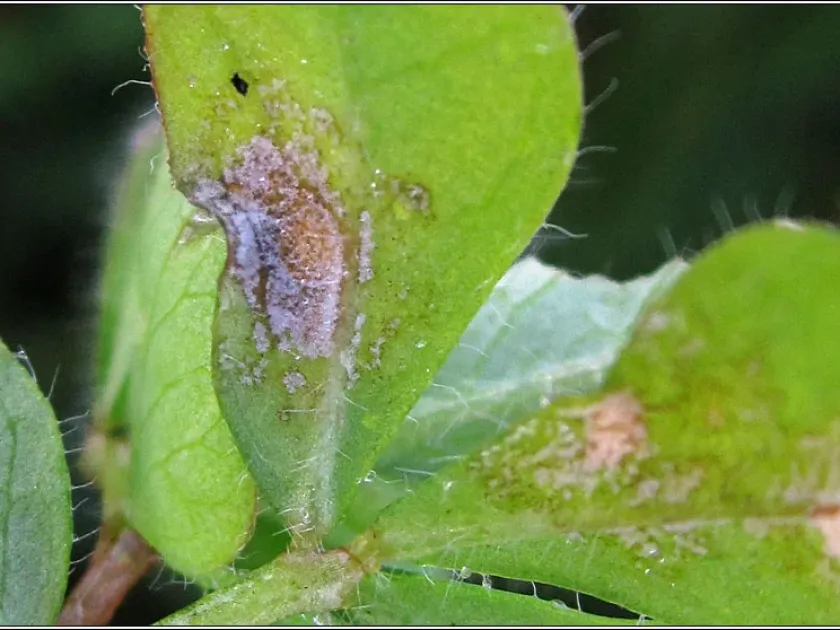
Description
Symptoms
The primary symptom of the disease is the appearance of distinct spots on the leaves. These spots start as small yellow discolorations and gradually evolve into larger brown or grey lesions.
A necrotic center often develops in the middle of these spots, which may turn dry and brittle. A dark, reddish, or brown halo frequently encircles the spot, serving as a boundary for the lesion.
Under conditions of high humidity, a grey or white powdery coating of fungal spores can be observed on the underside of the leaves, directly over the affected areas.
In severe cases, individual spots coalesce to cover large portions of the leaf blade. This leads to yellowing, curling, and premature senescence of the foliage, eventually causing the leaves to decay in the water.
Prolonged infection results in the visible decline of the plant, characterized by stunted growth and a significant reduction in the number of flowers produced during the season.
Pathogen
The disease is caused by the microscopic fungal pathogen Ramularia sphaeroidea. This fungus is known for infecting the leaves of aquatic plants, particularly within the Nelumbonaceae family.
The fungus functions as an obligate or facultative parasite, entering the lotus leaf tissue through stomata or small wounds on the leaf surface. Once inside, the mycelium colonizes the cellular structures.
The life cycle involves the formation of conidial spores, which appear as a characteristic whitish or dusty grey film on the infected spots. These spores serve as the primary means of spreading the infection.
During the dormant season, the fungus survives as mycelium within plant debris that sinks to the bottom of the pond. With the onset of warmer temperatures, the fungus reactivates its biological cycle.
Conidia are dispersed primarily through water currents and splashing droplets. High moisture levels around the lotus leaves facilitate the rapid movement of spores to healthy plant tissues.
Conditions for development
Development of Ramularia sphaeroidea is highly dependent on humidity. Periods of damp weather and stagnant air around the lotus canopy are ideal for fungal germination and colonization.
Stagnant water conditions without proper circulation promote the spread of the pathogen. High planting density makes it easy for the fungus to jump from one leaf to another as they touch.
Warm temperatures, generally between 18°C and 25°C, create an optimal window for the pathogen to multiply. In cooler conditions, the growth rate of the mycelium significantly slows down.
Plants weakened by poor light conditions, nutritional deficiencies, or previous mechanical damage are far more susceptible to the initial attack of the fungus.
The presence of organic debris, such as decaying leaves from previous seasons at the bottom of the pond, acts as a primary reservoir for the fungus, ensuring its survival from year to year.
Why it matters
The primary damage caused by lotus ramularia leaf spot is the loss of photosynthetic leaf area. This limits the energy production capacity of the plant, which is vital for long-term health.
The disease severely impacts the ornamental value of the lotus. The appearance of unsightly brown spots and wilting foliage makes the plant unattractive for aquatic landscaping and botanical displays.
Persistent infection exhausts the lotus rhizomes, which can lead to a decrease in the plant's ability to bloom in subsequent years. Severe cases may result in the gradual death of the lotus colony.
The spread of the infection within a contained pond ecosystem can result in the rapid loss of large populations, necessitating expensive or intensive removal and remedial measures.
Decaying plant material increases the biological oxygen demand in the pond. This change in water quality can negatively affect the aquatic ecosystem, including local fish and beneficial microfauna.
Protection
Effective management begins with strict sanitation. Removing infected leaves as soon as symptoms appear and clearing the pond of debris will significantly reduce the inoculum load.
Maintaining proper spacing between plants is crucial for ensuring good airflow and water circulation. This prevents the formation of localized high-humidity microclimates where the fungus thrives.
The use of aquatic-safe fungicides may be considered in severe outbreaks. Always ensure that the chosen treatment is compatible with the pond's ecosystem and does not harm fish or amphibians.
Improving the overall vitality of the lotus through proper fertilization helps the plant build natural resistance. A healthy plant is more capable of confining the infection to localized spots.
Monitoring the pond environment is essential. By controlling the build-up of organic waste and keeping the water clean, you minimize the habitats where Ramularia sphaeroidea overwinters.
Discussion
No discussions yet — be the first.