
Radulomyces
Radulomyces
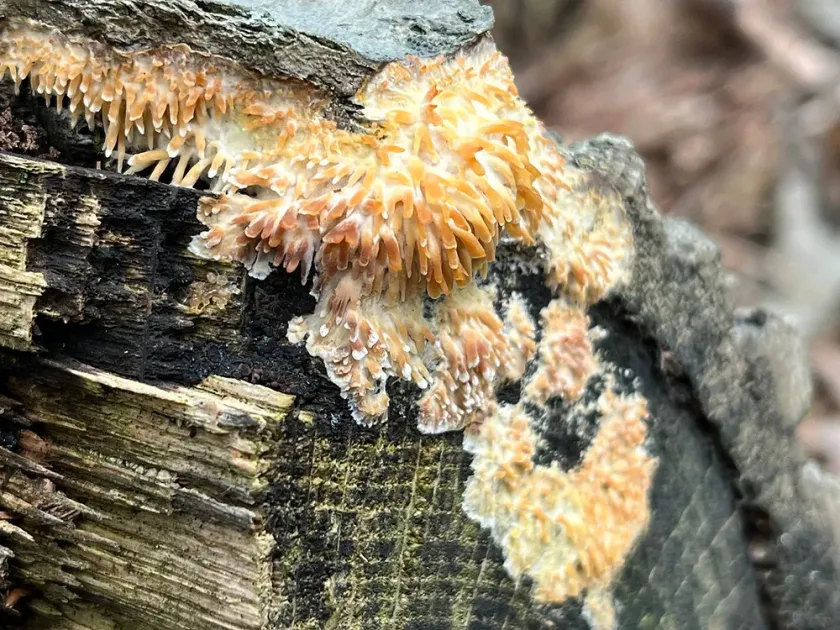
Description
Symptoms
The most visible sign is the presence of waxy or leathery crusts on the trunks or main branches of trees. These fruiting bodies are often overlooked due to their flat, irregular growth pattern.
Beneath the area of infection, the bark may show signs of splitting, revealing wood that has become bleached, soft, and fibrous due to the enzymatic activity of the fungus.
Affected trees often show signs of overall decline, including yellowing leaves (chlorosis), sparse foliage, and significantly reduced annual growth compared to healthy neighboring trees.
Another critical symptom is the loss of wood strength; structural limbs become brittle and prone to breakage during high winds or while bearing a fruit load, posing a safety risk.
In advanced cases, deep cankers or hollow areas may form on the trunk, where the fungus continues to feed on the heartwood, often accompanied by a distinct mushroomy odor.
Pathogen
Radulomyces is a genus of fungi within the order Corticiales. These organisms are primarily wood-decaying saprotrophs that function by breaking down structural components of wood such as lignin and cellulose.
While often found on dead timber, under certain environmental stress conditions, some species may colonize living but weakened trees, acting as facultative parasites that cause internal white rot.
The fungal life cycle involves the formation of resupinate, crust-like fruiting bodies. These bodies, often creamy or yellowish, adhere tightly to the surface of the bark or dead wood, releasing spores.
Dissemination primarily occurs via airborne spores or through contact with infested tools, particularly when pruning shears are not disinfected between trees.
The biology of Radulomyces is closely linked to moist, stagnant environments where the moisture content of the wood surface remains elevated for extended periods, facilitating spore germination.
Conditions for development
High humidity and poor air circulation in dense orchards provide the optimal environment for Radulomyces to establish itself and spread across the plantation.
Mechanical damage is the primary facilitator of infection. Sunscald, frost cracks, and improper pruning cuts serve as entry points where the fungus can bypass the tree's natural defenses.
Neglected orchards containing accumulation of dead wood, stumps, and fallen branches act as a massive reservoir for fungal inoculum, increasing the pressure on healthy trees.
Trees stressed by drought, nutrient deficiencies, or previous pest infestations are significantly more susceptible to colonization compared to trees in optimal health.
Consistent rainfall or overhead irrigation that keeps the bark wet for prolonged periods significantly increases the likelihood of fungal colonization on vulnerable surfaces.
Why it matters
The most severe impact of Radulomyces infection is the degradation of the tree's structural integrity, which leads to limb failure and, eventually, the death of the tree.
The internal white rot disrupts the transport of water and nutrients, resulting in a dramatic decline in fruit quality, quantity, and overall tree vigor.
Infection spreads silently within the heartwood, often making the tree's internal decay impossible to treat once it has reached the sapwood, forcing the removal of the plant.
The economic impact involves not only the loss of the tree but also the costs associated with orchard sanitation, potential disposal of infected material, and replanting.
As a pathogen, it weakens the tree's resilience, making it a secondary target for wood-boring insects and other opportunistic plant pathogens, compounding the harm.
Protection
The primary control strategy involves strict sanitation: prompt removal and destruction of infected wood and debris are essential to reduce the spore load in the orchard.
When pruning, always use clean, sharp tools and apply protective wound dressings to all cuts larger than 2 centimeters to prevent fungal entry through the open tissue.
Maintaining tree health through proper fertilization and watering helps ensure the tree can effectively compartmentalize minor infections before they spread deeper.
Regular trunk whitewashing with lime-based paints can protect against sunscald and frost cracks, effectively sealing potential entry points for fungal spores.
- Monitor tree trunks regularly for any unusual crusts or bark changes.
- Sanitize pruning tools with alcohol or bleach after each tree.
- Remove old stumps and dead wood promptly from the immediate orchard area.
Discussion
No discussions yet — be the first.