
Quaternaria
Quaternaria
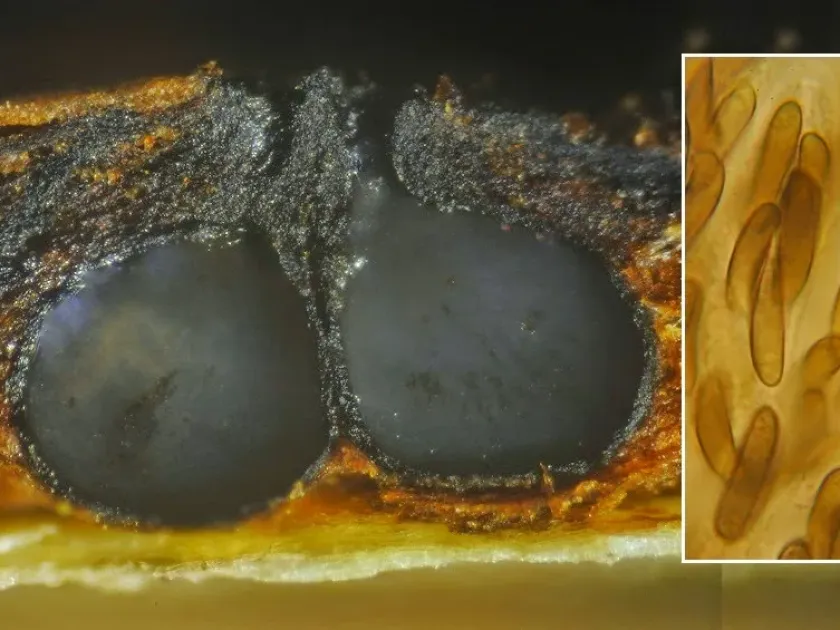
Description
Symptoms
The initial signs of infection are the appearance of localized necrotic spots on the bark. These spots often appear sunken or discolored compared to the surrounding healthy tissue of the tree.
As the infection progresses, the bark surface displays small, dark pustules or bumps. These are the fruiting bodies of the fungus emerging through the epidermis to release spores into the environment.
Bark cracking is a common symptom in advanced stages of infection. This structural damage disrupts the transport of nutrients and water, often leading to chlorosis, wilting, and the eventual death of branches distal to the infected site.
Upon removing the outer layer of the affected bark, one can often find white to cream-colored mycelial growth that actively degrades the phloem and cambium tissues, leading to necrotic lesions.
In cases where the infection encircles a branch or trunk, the entire section beyond the infection point will typically die back, resulting in a characteristic "dieback" symptom associated with this fungal attack.
Pathogen
The disease is caused by a fungal pathogen belonging to the genus Quaternaria, most notably Quaternaria quaternata. This organism is classified within the Sordariomycetes class and is a known agent of bark and branch necrosis.
The fungus is characterized by the formation of stroma that erupts through the bark of the host plant. Within these stromatic structures, the perithecia are produced in small groups, which is a distinctive morphological feature of this genus.
As a pathogen, it primarily infects the bark, phloem, and cambium tissues. It is capable of both parasitic and saprophytic growth, allowing the fungus to persist in dead wood for extended periods, even after the death of the host branch.
The disease cycle is primarily driven by the spread of ascospores. These spores are released under humid conditions and are dispersed by wind or splashing rain, seeking out bark wounds or weakened host tissues to colonize.
The pathogen's ability to remain dormant within the bark during unfavorable conditions makes it a persistent threat to susceptible tree species in both forest and orchard environments.
Conditions for development
High relative humidity and moderate temperatures are the primary environmental conditions that favor the development of Quaternaria. These conditions stimulate spore germination and rapid mycelial colonization.
Trees that are under stress are significantly more susceptible to colonization. Common stress factors include drought, severe winter frost, sunscald, or existing mechanical injuries that provide an entry point for the spores.
Dense plantation layouts or trees with lack of crown maintenance are prone to poor air circulation. This creates a moist microclimate within the canopy, which is conducive to the proliferation of the fungal pathogen.
Infected fallen branches or unremoved pruning debris act as a primary reservoir for the fungus. Spores produced on this dead organic matter can infect healthy parts of the trees for several years.
Poor orchard hygiene, specifically leaving dead wood or failing to treat fresh pruning wounds, serves as a major driver for the spread of the disease across a plantation or garden.
Why it matters
The primary harm caused by Quaternaria is the gradual destruction of the tree's canopy. The loss of productive branches reduces the overall yield and vitality of fruit-bearing trees.
In forest ecosystems and ornamental gardens, the disease significantly diminishes the aesthetic and ecological value of the trees. Severe cases can lead to the total death of the specimen if the main trunk is girdled.
The disruption of nutrient flow weakens the tree, making it highly susceptible to secondary attacks by wood-boring insects and other opportunistic fungal pathogens that thrive on weakened hosts.
Economic damage is substantial due to the costs associated with the removal of dead trees, reduced timber quality, and the necessity of implementing intensive sanitation programs to protect remaining healthy trees.
The accumulation of infectious spores in the environment creates a persistent threat, requiring long-term monitoring and disease management strategies to prevent widespread crop or plantation failure.
Protection
The cornerstone of management is rigorous sanitation. All infected, dying, or dead branches should be pruned back to healthy tissue and removed from the site to be burned or disposed of safely.
Following pruning, all wounds should be treated with a disinfectant or a fungicidal wound paste to prevent new infections and encourage rapid healing of the damaged plant tissue.
Improving tree health through proper fertilization and irrigation helps build natural resilience against infection. A healthy tree is significantly better at compartmentalizing minor infections and preventing spread.
Preventive spraying with copper-based fungicides or systemic products during the dormant season can help reduce the spore load on the bark and inhibit the germination of potential pathogens.
Maintaining proper tree spacing and thinning the canopy to ensure good air circulation is essential to minimize the humidity levels that support fungal growth, thereby creating an unfavorable environment for the pathogen.
Discussion
No discussions yet — be the first.