
Quambalariaceae
Quambalariaceae
Description
Symptoms
Visible symptoms often include the development of dark, sunken necrotic lesions on stems and branches. These can progress into deep cankers that deform the overall structure of the tree.
A distinctive white or creamy-colored spore mass is frequently observed on the surface of infected tissues. This powdery appearance is a hallmark sign of active sporulation of the fungus.
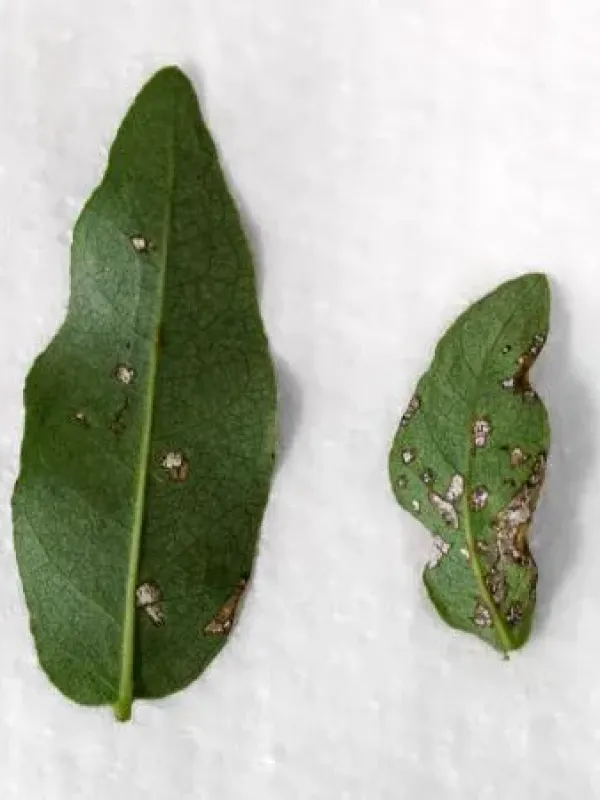
Foliar blight is another major symptom, characterized by the yellowing, curling, and early abscission of leaves. Over time, the tree crown becomes thin and sparse as the disease advances.
Internal tissues beneath the bark often show browning or discoloration, indicating that the fungus is actively breaking down the vascular system, which hinders nutrient and water transport.
Affected trees typically exhibit stunted growth, reduced vigor, and a failure to thrive compared to healthy individuals within the same environment.
Pathogen
Quambalariaceae is a family of fungi recognized as significant pathogens affecting various woody plants. The genus Quambalaria is the most studied member, responsible for destructive lesions and blights on susceptible tree species.
The pathogen reproduces through conidia, which are efficiently dispersed by wind and splashing rain. This high mobility makes the fungus particularly dangerous for forest plantations and nurseries.
Infection occurs when spores colonize vulnerable plant tissues, such as young leaves, stems, or areas damaged by insects. Once established, the fungus penetrates the host's tissue, disrupting physiological functions.
This fungus survives well in plant debris, meaning that environmental reservoirs can perpetuate the disease cycle. Its ability to remain dormant during unfavorable conditions makes total eradication difficult.
The biology of Quambalariaceae is characterized by aggressive colonization of the cambium, which can lead to the rapid decline of the host tree if environmental factors support fungal growth.
Conditions for development
High relative humidity and frequent rainfall are the primary catalysts for the spread and infection of Quambalariaceae. Moisture on the leaf and bark surface allows spores to germinate rapidly.
Warm to moderate temperatures generally favor fungal metabolic activity. In conditions that are neither too hot nor too cold, the pathogen can complete its infection cycle within just a few days.
Poorly ventilated forest stands or nursery settings, characterized by high plant density, create microclimates that maximize the risk of rapid disease transmission.
Stressed trees are significantly more susceptible to infection. Environmental factors such as drought, nutrient imbalance, or mechanical damage serve as stressors that weaken the tree's natural defenses.
The movement of contaminated plant material across different regions is a critical factor in the emergence of this disease in previously unaffected geographic areas.
Why it matters
The economic impact of Quambalariaceae is primarily linked to the loss of wood quality. Severe cankering renders the timber unsuitable for high-value industrial processing and construction.
In forest plantations, heavy infestations can lead to significant mortality rates among young trees, necessitating expensive replanting and site rehabilitation efforts.
The weakened state of the trees makes them highly susceptible to secondary attacks by wood-boring insects and other opportunistic pathogens, further accelerating the loss of forest biomass.
Management of the disease consumes substantial resources, as infected sites require ongoing sanitation and monitoring to prevent the spread to adjacent healthy stands.
Research and breeding programs often face setbacks when preferred, fast-growing varieties are found to be highly susceptible, complicating efforts to improve forest productivity.
Protection
Integrated management is essential for controlling this family of pathogens. Selecting and planting resistant tree species is the most sustainable long-term strategy for risk reduction.
Sanitation practices play a vital role, including the prompt removal and destruction of infected material. Maintaining proper hygiene in nurseries and plantations limits the available inoculum for infection.
Fungicide applications may be used in nursery settings but are rarely practical for large-scale forest stands due to environmental regulations and the sheer scale of the affected areas.
- Regular monitoring of tree health during wet seasons.
- Ensuring proper plant spacing to improve air circulation and reduce humidity.
- Disinfecting pruning tools to prevent the accidental transmission of fungal spores.
Future control efforts are focusing on biological agents and enhanced silvicultural practices to manage the microclimate, making it less favorable for the survival of the pathogen.
Discussion
No discussions yet — be the first.