
Pyrenomonadaceae
Pyrenomonadaceae
Description
Symptoms
The primary symptom of infestation is the emergence of green, brown, or red-tinted slime on the surface of the growing medium or in the nutrient reservoir. This visual indicator often signals a rapid bloom.
In hydroponic setups, the nutrient solution becomes turbid. This cloudiness is accompanied by a change in the physical properties of the water, often resulting in a stagnant, unpleasant odor.
Plant roots develop a visible, slippery, or slimy film. This coating blocks the root hairs, preventing the efficient exchange of gases and hindering the uptake of vital nutrients, leading to rapid wilting.
Affected plants exhibit symptoms similar to nutrient deficiencies, such as leaf chlorosis and stunted growth, as the algae effectively "steal" the minerals intended for the crop's development.
- Algal growth on substrate
- Cloudy nutrient solution
- Slimy root surfaces
- Leaf chlorosis and yellowing
- Growth retardation
Pathogen
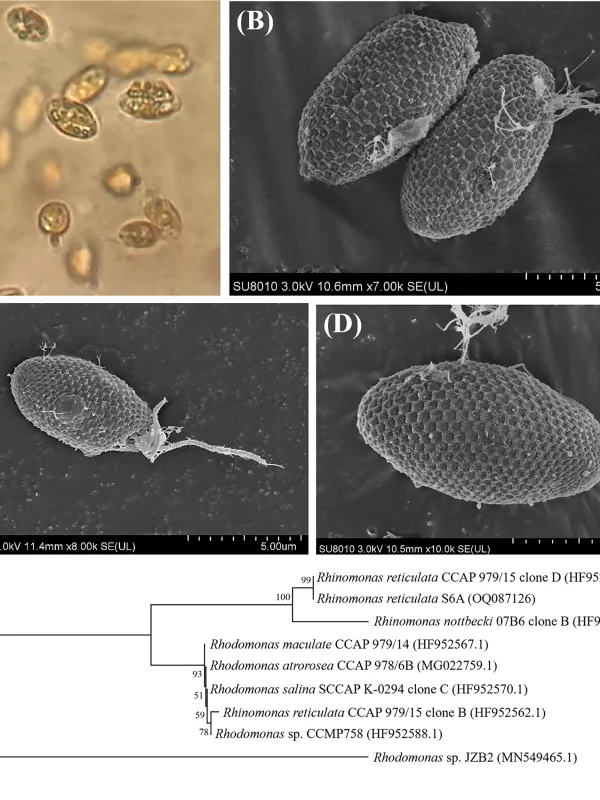
Pyrenomonadaceae represents a family of cryptophyte algae. In an agronomic context, they are categorized as nuisance organisms that thrive in nutrient-rich aquatic environments, particularly within greenhouse hydroponic systems.
These microorganisms are eukaryotic, unicellular, and photosynthetic. Unlike traditional plant pathogens, they do not infect plants as parasites but function as highly efficient competitors that exploit available resources.
Their biological structure includes specific organelles that enable them to survive in varying light conditions and nutrient concentrations, allowing them to adapt rapidly to the closed-loop systems used in modern agriculture.
They propagate through spores or vegetative cells, which can easily enter a growing facility via contaminated water, air currents, or unsterilized farming equipment. Once inside, they establish biofilms on technical surfaces.
The persistence of these algae is linked to their ability to survive in residual water and biofilm layers, making them a recurring challenge for producers who do not employ strict sanitation protocols.
Conditions for development
Light exposure is the most critical condition for the development of Pyrenomonadaceae. Any light penetrating into the nutrient tank or distribution lines triggers immediate photosynthesis and population growth.
High nutrient concentration is another prerequisite. Abundant nitrogen, phosphorus, and potassium levels in the irrigation water create a hyper-productive environment for algal cells to multiply rapidly.
Optimal temperatures for their metabolism range between +18°C and +25°C. In these conditions, colonies can double in size within hours, leading to a massive infestation across the entire irrigation system.
Stagnant water promotes the development of these algae. Areas of low flow or poor circulation allow the cells to settle, colonize pipe walls, and initiate the formation of thick, resistant biofilms.
Inadequate sanitation of equipment, including drip emitters and filters, creates a permanent reservoir for the algae to reappear immediately after a nutrient solution change.
Why it matters
The most significant harm is the direct competition for fertilizer nutrients. By sequestering these elements, the algae starve the agricultural crops, directly leading to lower harvest yields.
They impair root respiration by creating a physical barrier on the root surface. This forced anaerobic state creates a stress response in plants, leaving them vulnerable to secondary infections like root rot.
Algal blooms alter the pH balance of the nutrient solution. These fluctuations can disrupt the solubility of essential micronutrients, leading to secondary physiological disorders in the plants.
Metabolic byproducts released by the algae can be phytotoxic to the crops. As these compounds accumulate, they can stop cell division at the root tips, causing significant developmental delays.
Finally, algae cause severe equipment failure. By clogging filters, drip lines, and pumps, they disrupt the distribution uniformity, which can lead to localized crop death due to inconsistent water delivery.
Protection
The most effective strategy is the total exclusion of light. All nutrient reservoirs, distribution pipes, and supply lines must be constructed from opaque materials to starve the algae of light energy.
Routine disinfection of the entire irrigation system using hydrogen peroxide or specialized algicides is essential to break down biofilms and eliminate dormant algal spores between cycles.
Maintaining high levels of dissolved oxygen through constant aeration prevents algal dominance. A well-oxygenated system favors the crop roots while inhibiting the growth of most nuisance algae.
Implementing strict water management protocols, such as regular solution replacement and monitoring of nutrient balance, ensures that the system does not provide a surplus of food for algal populations.
Sanitation of the entire facility, including personal protective equipment and tools, is necessary to prevent the accidental introduction or transfer of algae from contaminated areas to healthy production zones.
Discussion
No discussions yet — be the first.