
Pycnoporus
Pycnoporus
Description
Symptoms
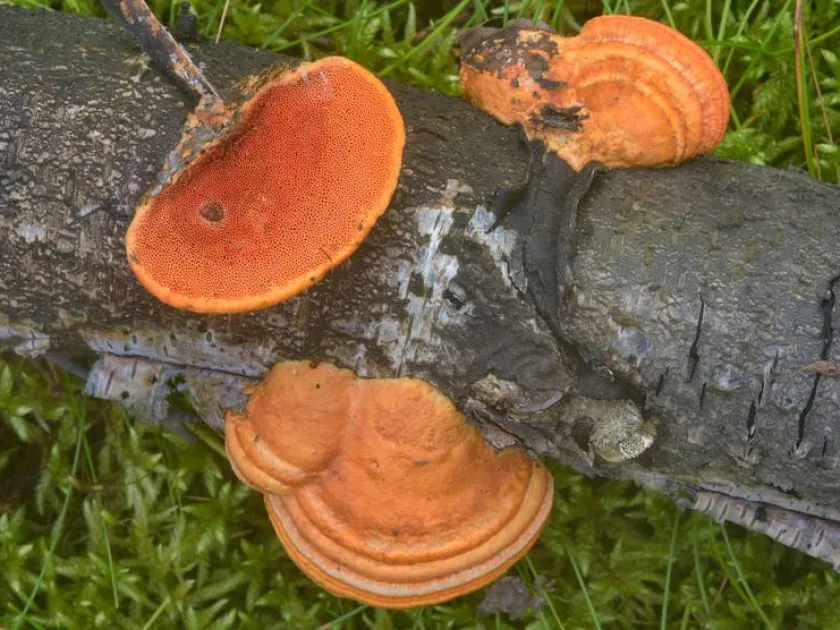
The most distinctive visual symptom is the appearance of bright orange or cinnabar-red fruiting bodies on the bark of infected trees or stumps. These brackets are often semi-circular and firm in texture.
The interior of the wood changes color significantly, becoming pale and bleached due to the chemical degradation of lignin. This condition is commonly referred to as white rot.
As the rot progresses, the wood loses its density and structural integrity, becoming fibrous or brittle. In advanced stages, the internal part of the stem may become entirely hollow, making it prone to snapping.
Affected trees may show signs of canopy decline, such as premature leaf drop, stunted growth, and the death of individual branches. Bark may also develop cracks or sunken areas near the site of infection.
In some cases, the fungus causes the wood to break easily under pressure, and you may notice a light-colored, spongy texture when examining damaged wood samples or broken branches.
Pathogen
The disease is caused by fungi of the genus Pycnoporus, with Pycnoporus cinnabarinus being a well-known species. These are basidiomycetes that play a significant role in wood decomposition, acting as wood-rotting pathogens.
Pycnoporus is typically an opportunistic parasite that targets stressed or wounded trees. It utilizes a complex enzyme system to break down lignin and cellulose, which are the main structural components of wood tissues.
The mycelium develops inside the tree's vascular system and woody tissue, gradually spreading throughout the trunk. It thrives by extracting nutrients from the living or dead wood cells, leading to structural instability.
Reproduction is facilitated by spores released from the visible fruiting bodies. These spores are wind-dispersed and can settle on any exposed bark, entry points from pruning, or natural cracks in the tree trunk.
Once established, the fungal colonization is difficult to eradicate because the mycelium penetrates deep into the heartwood, where protective chemicals or fungicides cannot easily reach.
Conditions for development
Moisture is the primary driver for Pycnoporus growth. High humidity levels and saturated wood tissues create an environment that promotes spore germination and active fungal metabolism.
Stressed trees are far more susceptible to infection. Factors such as drought, nutrient deficiency, poor soil quality, or physical injuries create favorable conditions for the fungus to establish itself.
Wounds caused by improper pruning, frost damage, or animal feeding provide entry points for the pathogen. Without proper sealing, these areas are highly vulnerable to airborne spores.
Mild to moderate temperatures (approximately 15-25°C) are ideal for the rapid development of the mycelium. During these favorable windows, the rate of wood decay increases significantly.
Poor orchard or forest management, such as leaving decaying logs, stumps, or infected plant material nearby, maintains a high inoculum pressure and increases the likelihood of cross-infection.
Why it matters
The primary danger of Pycnoporus is the structural weakening of the tree. This often leads to unexpected trunk failure, which poses a significant safety risk in urban environments, parks, and gardens.
The fungus disrupts the tree's vascular system, preventing the effective transport of water and nutrients. This results in the gradual death of the canopy and significantly shortens the lifespan of the host tree.
In forestry, the presence of this fungus results in substantial economic losses by reducing the quality and volume of timber. Infected wood becomes commercially unusable for construction or production.
Once a tree is infected, it acts as a permanent source of spores, threatening the health of nearby healthy trees. This can lead to localized outbreaks that affect entire stands or plantations.
Managing the impact of the disease requires expensive interventions, including the removal of dead or dangerous trees, site sanitation, and the potential need for soil treatments to prevent further spread.
Protection
Regular sanitation is critical. All dead, dying, or infected wood must be pruned and removed immediately. Pruning tools should be disinfected with alcohol or a bleach solution between cuts to avoid spreading spores.
Large pruning cuts should be sealed with wound paint or a suitable antiseptic paste. This creates a protective barrier that prevents spores from entering the fresh wood tissue.
Maintaining tree vigor is the best natural defense. Regular fertilization, proper irrigation, and protection from physical damage help the tree maintain strong natural immunity against fungal pathogens.
Preventative fungicide sprays, particularly those based on copper, can help reduce the spore load in the immediate environment when applied during the early growing season.
Effective site management involves the removal and proper destruction of infected stumps and woody debris. Do not use wood from infected trees as mulch or compost, as it can harbor the fungus for years.
Discussion
No discussions yet — be the first.