
White rust of salsify
Pustula tragopogonis
Description
Symptoms
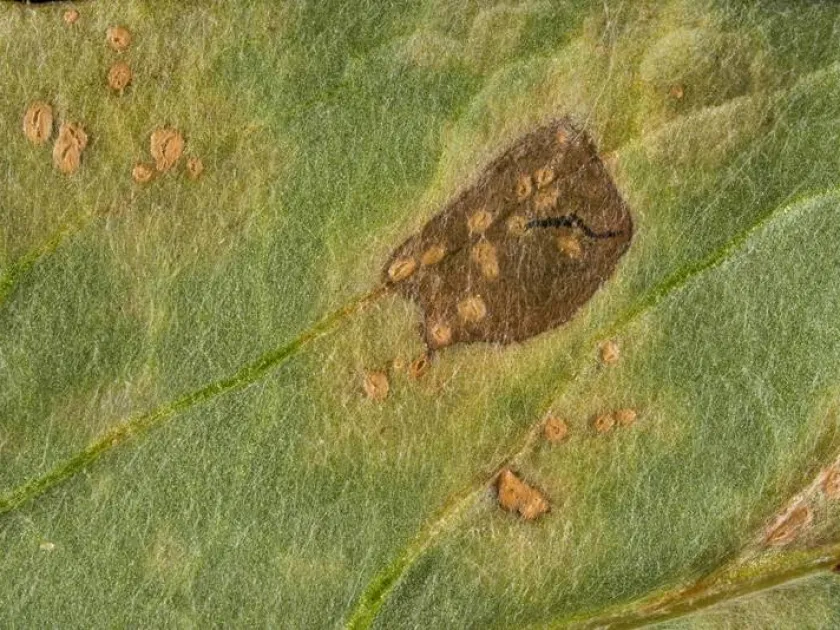
Initial symptoms include the emergence of small chlorotic spots on leaves, which eventually develop into prominent white, waxy pustules typical of white rust.
These pustules, representing clusters of sporangia, typically rupture the epidermis of the leaf, revealing a powdery white mass of spores that are easily spread by wind and rain.
In addition to leaf spots, severe infestations often cause systemic distortion of stems, irregular growth patterns, and curling of the leaves.
Flowers and seed heads may become hypertrophied or sterile, significantly impacting the reproductive capacity and seed quality of the affected salsify crop.
- White, chalky pustules on the underside of leaves.
- Stem and leaf deformations.
- Yellowing and premature senescence of the foliage.
Pathogen
The causative agent of this disease is the oomycete Pustula tragopogonis. It is an obligate parasite that specifically targets plants within the Asteraceae family, with a strong preference for the genus Tragopogon.
Classified under white rust fungi, this pathogen relies on zoospore production to colonize host tissues. These spores require water film on the plant surface to move and find entry points, such as stomata.
The fungus overwinters as thick-walled oospores found in soil debris or contaminated crop remains. These structures are highly resistant to environmental stressors and serve as primary inoculum.
Once inside the plant, the mycelium spreads through intercellular spaces, creating specialized haustoria to extract nutrients from host cells, leading to a decline in plant vigor.
The biological cycle is strictly dependent on the host’s phenology, and the pathogen has evolved to synchronize its sporulation with the most vulnerable stages of plant growth.
Conditions for development
Cool and wet environmental conditions are ideal for the rapid development of white rust. The fungus thrives when temperatures remain between 10°C and 20°C.
High humidity levels and consistent water exposure, such as morning dew or prolonged periods of rain, are essential for the survival and dispersal of the pathogen.
Poorly ventilated fields with high planting density create microclimates that retain moisture longer, drastically increasing the probability of a disease outbreak.
The presence of standing water on leaves or soil surface enables the movement of zoospores, facilitating secondary infection cycles throughout the growing season.
Overcrowded plantations impede air circulation, preventing leaves from drying out and creating a conducive environment for the fungus to establish itself.
Why it matters
White rust causes significant yield losses by depleting plant resources and reducing the photosynthetic efficiency of the canopy, leading to stunted overall growth.
The direct impact on foliage quality makes the product unmarketable, while systemic infection can lead to the total loss of the harvest if left unchecked.
Reproductive success is severely compromised, as the fungus often attacks inflorescences, rendering seeds unviable or causing them to abort entirely.
Infested plants show reduced resilience against secondary pathogens, such as bacterial soft rots, which often enter through the lesions created by the rust.
In intensive cultivation systems, failure to manage the disease can lead to economic losses reaching up to 50 percent or more under high-pressure conditions.
Protection
Effective management begins with robust crop rotation, avoiding Asteraceae crops on the same land for at least three to four years to break the infection cycle.
Sanitation practices, including the removal and destruction of crop residues post-harvest, are critical to reducing the population of overwintering oospores.
Regular monitoring of fields is essential for early detection, allowing for targeted fungicide application when the first signs of pustules appear on the foliage.
Eliminating related weed hosts in the vicinity of the plantation helps prevent the disease from migrating into the crop from surrounding fields.
Optimizing plant spacing to ensure adequate airflow and avoiding overhead irrigation during peak disease risk periods are highly recommended preventive measures.
Discussion
No discussions yet — be the first.