
Purpureocillium
Purpureocillium
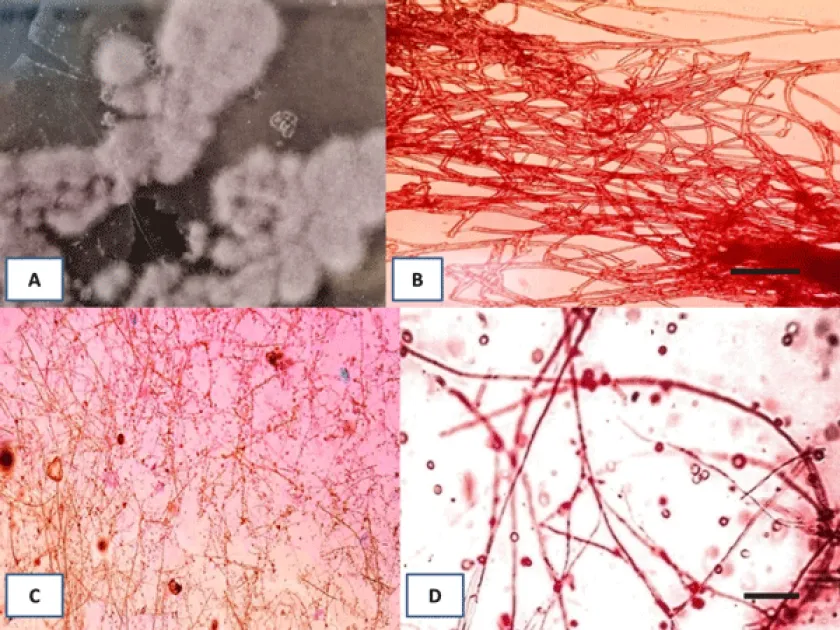
Description
Symptoms
Visible signs of infestation often include a characteristic purple-tinted, powdery fungal growth appearing on the substrate or the root collar of plants.
Root systems affected by the fungus may show lesions or decay, particularly in areas where nematode populations have been successfully colonized.
Plants often exhibit symptoms of nutrient deficiency, such as chlorosis and wilting, resulting from the fungal interference with normal root absorption processes.
Microscopic examination typically reveals the presence of phialides arranged in characteristic clusters, allowing for precise taxonomic identification.
In humid conditions, the mycelium may spread rapidly across the soil surface, appearing as a thick, light-colored layer that eventually turns deep violet.
Pathogen
The pathogen is Purpureocillium lilacinum, a fungus belonging to the family Ophiocordycipitaceae, widely recognized for its biological control potential.
This fungus is essentially a soil-inhabiting organism, primarily known as an entomopathogenic and nematophagous agent capable of parasitizing pests.
The morphology of Purpureocillium is characterized by the formation of velvety colonies that typically exhibit a distinct purple or lilac pigmentation.
It reproduces via abundant conidia, which are small asexual spores that allow the fungus to persist in soil environments for extended durations.
While often utilized as a bio-control agent, under specific environmental stressors, it can become an opportunistic pathogen for various agricultural crops.
Conditions for development
The development of Purpureocillium is highly favored by high soil moisture levels and temperatures ranging from 20°C to 28°C.
The fungus thrives in organic-rich soils where it finds ample substrate for saprotrophic growth between active parasitism cycles on host organisms.
Proper aeration is essential to prevent the overgrowth of the fungus; stagnant air and waterlogged soil conditions are primary triggers for mass sporulation.
The fungus can be easily transmitted through infected irrigation water, contaminated farming tools, or the movement of untreated soil between different greenhouses.
A neutral or slightly acidic soil pH is optimal for the rapid colonization and establishment of this fungal species within the plant rhizosphere.
Why it matters
The primary concern regarding this pathogen is its ability to negatively impact plant health by outcompeting beneficial soil microbes and mycorrhizal fungi.
Infestation leads to reduced root vitality, which in turn causes stunted plant growth, decreased fruit yield, and overall loss of plant vigor.
In high-density greenhouse environments, the fungus can lead to secondary infections, causing widespread root rot in susceptible seedling stages.
Economic damage occurs not only from direct crop loss but also from the high costs associated with substrate decontamination and management.
If left unmanaged, the accumulation of fungal spores in the soil profile creates an unfavorable growing environment that persists for multiple crop cycles.
Protection
Effective management requires a combination of strict cultural practices and preventive measures to ensure the integrity of the soil microbial environment.
Standard practices include the sterilization of potting media and the implementation of rigorous sanitation protocols for all agricultural equipment.
Managing irrigation effectively to avoid prolonged waterlogging is a primary strategy for restricting the growth of Purpureocillium populations.
Integrated pest management strategies should include the use of biological competitors, such as Trichoderma species, to suppress pathogen density.
- Maintaining optimal soil drainage and aeration.
- Using sterilized substrates for propagation.
- Implementing regular sanitization of tools.
- Applying specific biological antagonists.
- Monitoring irrigation water for contamination.
Discussion
No discussions yet — be the first.