
Pucciniastrum rusts
Pucciniastraceae
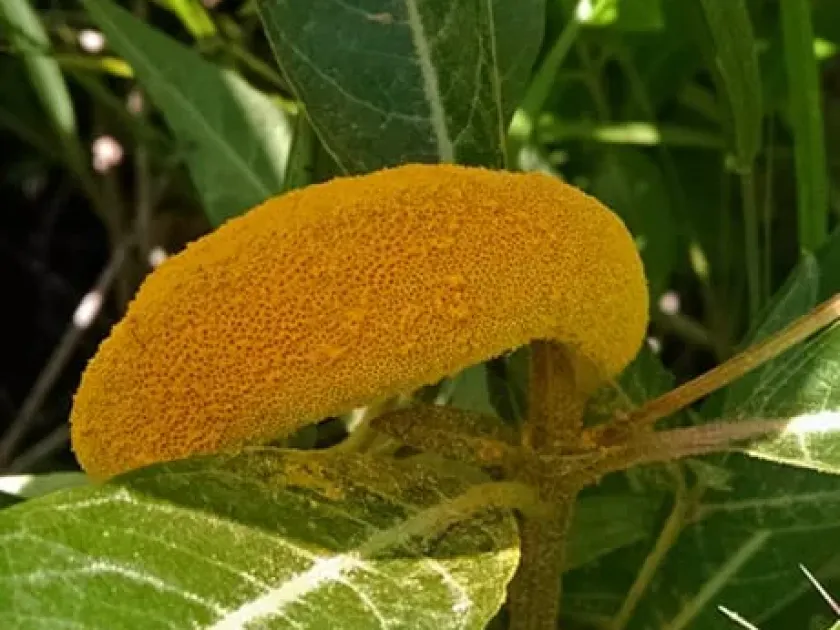
Description
Symptoms
The primary symptoms appear as small, rusty-brown, or orange spots on the undersides of leaves. These spots are fungal pustules that eventually rupture the leaf epidermis to release massive amounts of spores into the air.
On coniferous hosts, the disease presents as yellow swellings or pustules on the needles. Over time, the needles become covered in a dusty white layer of spores, leading to premature yellowing, needle drop, and general loss of tree vigor.
On berry crops like raspberries or currants, early signs include tiny, pale-yellow specks. As the infection progresses, these spots coalesce into large lesions that cover much of the leaf surface, significantly impacting the plant's photosynthetic capacity.
Infected plants often exhibit stunted growth, curled leaves, and distorted shoots. In severe cases, premature defoliation occurs, which deprives the plant of necessary energy reserves needed for winter survival.
While visual symptoms are characteristic, specific identification often requires microscopic examination of the morphology of urediniospores and teliospores to distinguish them from other rust-causing fungi.
Pathogen
Pucciniastrum rusts (family Pucciniastraceae) are a group of fungal diseases caused by basidiomycetes from the order Pucciniales. These fungi are obligate parasites, meaning they are entirely dependent on living host plant tissues to complete their life cycle and obtain nutrients.
A distinctive feature of many species in this family is their heteroecious life cycle. This involves the alternation of two unrelated host plants during the season, typically alternating between a coniferous species and a broad-leaved shrub or herb.
Well-known genera include Pucciniastrum and Thekopsora. They produce aeciospores on the needles of conifers and urediniospores on the leaves of the primary host during the summer, which facilitate rapid spread throughout the growing season.
The fungus penetrates deep into the plant tissue, forming haustoria. These structures draw nutrients directly from the host cells, weakening the plant and disrupting vital metabolic processes like photosynthesis.
Spores are highly resilient and easily dispersed by wind or splashing rain. The pathogen frequently overwinters in fallen leaf litter or on perennial woody parts, ensuring a persistent infection source for the next season.
Conditions for development
Pucciniastrum rusts thrive in conditions of high humidity and moderate temperatures. Persistent fog, frequent rainfall, and heavy morning dews are critical factors that trigger spore germination and infection.
The optimal temperature range for the development of these fungi usually lies between +15°C and +22°C. While extreme heat and prolonged dry spells may inhibit active fungal growth, the spores remain viable until favorable moisture conditions return.
Dense, overcrowded plantings that lack proper air circulation create a microclimate with stagnant, humid air. Such environments are ideal for the rapid spread of spores from one leaf to another, often leading to localized epidemics.
The proximity of alternative hosts is a major risk factor. Establishing berry plantations near forests with conifers significantly increases the likelihood of annual infections due to the cycle of spore dispersal between these hosts.
Plants that are already stressed due to poor nutrition or pest damage are more susceptible to infection. Maintaining overall plant health is a natural defense against the rapid colonization by these pathogens.
Why it matters
The economic impact of Pucciniastrum rusts is primarily due to significant yield loss. Reduced photosynthetic efficiency leads to smaller fruit sizes, poor flavor, and lower overall crop quality, making the produce unsuitable for market.
The disease drastically reduces winter hardiness. Plants that lose their foliage early in the season are unable to store sufficient carbohydrates, making them highly susceptible to winter injury and potential death during cold spells.
Repeated annual infections weaken the structure of shrubs and trees, leading to the gradual dieback of branches and, eventually, the whole plant. This necessitates costly removal and replanting efforts for growers.
In addition to direct losses, the cost of labor and fungicides needed for control significantly increases the production costs. In severe years, these rusts can cause up to 50% loss of the potential harvest if left unmanaged.
The aesthetic and health-related degradation of ornamentals or fruit bushes can also lead to long-term loss of market value for nurseries, requiring strict sanitation and monitoring protocols to manage the spread.
Protection
Spatial isolation is the most effective preventative strategy. Growers should avoid planting susceptible berry crops in areas where they would be in close proximity to the coniferous hosts required by the fungus to complete its life cycle.
Sanitation practices are essential, including the collection and destruction of fallen leaves and infected plant debris where the pathogen overwinters. Pruning to improve airflow within the canopy also helps dry out leaves faster, discouraging spore germination.
Selecting disease-resistant cultivars is the most sustainable long-term solution. Breeding programs are focused on developing varieties that can withstand rust pressure, reducing the need for chemical interventions.
If an outbreak occurs, fungicide applications are necessary to suppress the pathogen. Copper-based products and systemic fungicides from the triazole family are generally effective at halting the spread of the mycelium within the plant.
- Ensure proper spacing to increase air circulation.
- Avoid overhead irrigation, especially in the late evening.
- Implement a balanced fertilization program to avoid succulent, susceptible growth.
- Regular monitoring for early signs of infection to time applications correctly.
Discussion
No discussions yet — be the first.