
Lobelia rust
Puccinia lobeliae
Description
Symptoms
The first noticeable symptoms of lobelia rust are small, yellowish to orange spots appearing on the upper surface of the leaves. These spots indicate that the fungus has successfully penetrated the leaf surface.
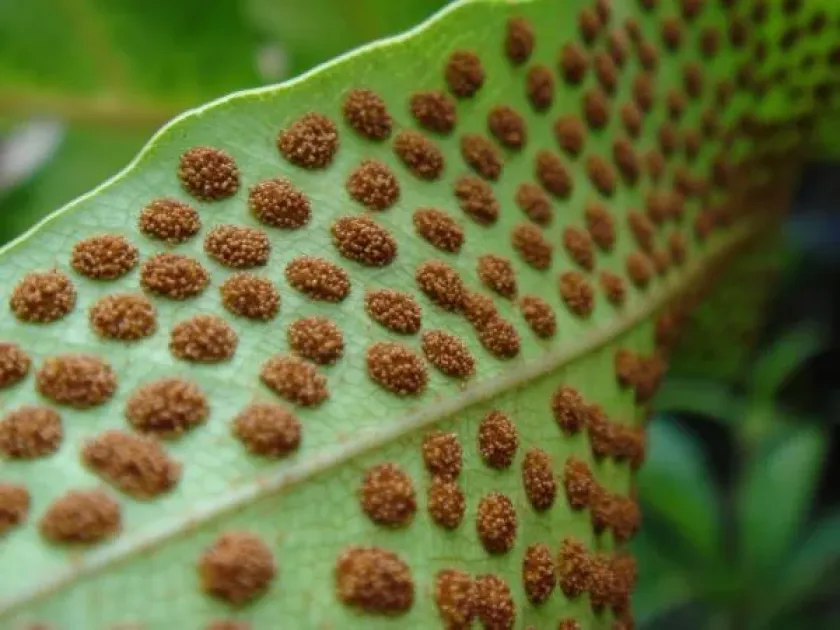
On the undersides of the infected leaves, characteristic reddish-brown, powdery pustules develop exactly beneath the initial spots. These pustules represent the fruiting bodies of the fungus, containing thousands of microscopic spores.
As the infection progresses, the foliage begins to turn yellow, wither, and eventually drop off. Heavy infections can cause the entire plant to lose its vibrant appearance and show stunted growth.
The disease can also manifest on the stems, where elongated rusty-colored lesions appear. These can lead to structural weakness and necrosis of the plant stems, causing them to collapse or die back prematurely.
Diagnostic identification is relatively straightforward due to the distinct 'rusty' appearance of the spore masses. A quick inspection of the leaf underside is usually enough to confirm the presence of rust.
Pathogen
The causative agent of this disease is a specialized parasitic fungus known as Puccinia lobeliae, which belongs to the class of Basidiomycetes. This pathogen is an obligate parasite, meaning it requires living plant tissue to complete its complex life cycle.
The fungus colonizes the internal tissues of the lobelia plant by extending its mycelium through the intercellular spaces. It eventually produces specialized structures called pustules, which break through the surface of the plant epidermis to release spores.
The life cycle of Puccinia lobeliae is adapted for efficient dispersal. Spores are easily carried by wind, rain splashes, or contaminated garden tools, ensuring the rapid spread of the disease within a garden setting.
A critical aspect of its biology is the ability to persist in plant debris. If infected leaves or stems remain in the soil over winter, they become a primary source of inoculum for the following growing season.
As a fungal infection, or mycosis, it disrupts the plant's metabolic processes. The constant drain of nutrients by the parasite causes significant physiological stress to the host lobelia plant.
Conditions for development
The development of Puccinia lobeliae is heavily dependent on high humidity levels. A relative humidity of over 75% creates the perfect environment for the germination and penetration of fungal spores.
Temperatures ranging from +18°C to +25°C are considered optimal for the rapid growth and reproduction of the fungus. Within this range, the disease can spread throughout a collection of plants in just a few days.
Poor ventilation, caused by overcrowding plants or dense foliage, contributes to the buildup of moisture. In these stagnant microclimates, the fungus thrives, and spores are more likely to successfully infect the plant.
Overhead watering or rain creates a film of water on the leaves, which acts as a bridge for the spores to swim into the stomata and infect the leaf interior. This is why avoiding leaf wetting is a crucial management practice.
Plants that are nutrient-deficient, particularly those lacking potassium and phosphorus, are more vulnerable to rust. A robust, well-fertilized plant has a stronger natural defense system against fungal invasion.
Why it matters
The primary harm caused by lobelia rust is the drastic reduction in the plant's ability to photosynthesize. By damaging the foliage, the fungus starves the plant, reducing its vigor and health.
The disease severely impacts the ornamental value of lobelia. Discolored, dying leaves make the plants look ragged and unattractive, often rendering them unsuitable for display in landscaping or containers.
Left untreated, a rust infection can cause total plant death. The rapid nature of spore dispersal means that a few infected plants can jeopardize an entire display or garden bed within a very short timeframe.
In addition to cosmetic damage, the infection reduces the overall hardiness of perennial lobelia varieties. Weakened plants often struggle to survive the winter and may not return the following spring.
Finally, there is an economic and labor-intensive impact, as gardeners must spend time and resources on removal, cleanup, and chemical treatments to contain the outbreak.
Protection
The most important control measure is strict sanitation. Immediately remove and destroy any infected leaves or entire plants to stop the cycle of spore production and dissemination.
- Ensure proper spacing between plants to improve air circulation.
- Water at the base of the plant to keep the foliage dry at all times.
- Use appropriate systemic or contact fungicides containing copper or sulfur.
- Keep the planting area free of debris and weeds that might host the fungus.
- Rotate crops if planting in the same location year after year.
Systemic fungicides are highly effective for treatment, as they are absorbed by the plant and provide protection against the development of the mycelium from within.
Preventative applications of copper-based fungicides can act as a protective barrier, preventing spores from germinating even if they land on the leaf surface.
Maintaining a clean garden environment and healthy soil nutrition will go a long way in preventing Puccinia lobeliae from becoming established in your lobelia collection.
Discussion
No discussions yet — be the first.