
Bermudagrass rust
Puccinia cynodontis
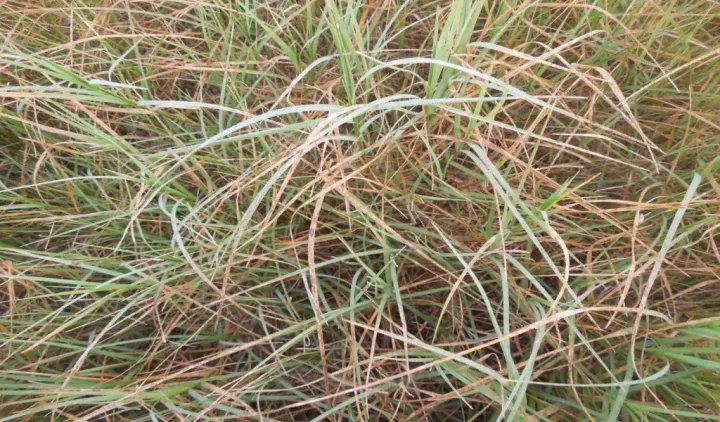
Description
Symptoms
Early symptoms appear as small, chlorotic flecks on the foliage that eventually develop into characteristic pustules, known as uredinia.
These pustules break through the leaf epidermis, revealing mass quantities of rusty-orange or reddish-brown spores that rub off easily.
As the infection progresses, the leaves turn yellow, become brittle, and eventually die, giving the entire turf area a scorched appearance.
In severe cases, the coalescing of pustules can cover the entire leaf surface, significantly reducing the vigor and aesthetic quality of the grass.
By the end of the growing season, the pustules may transition into darker, black-colored telia, which represent the fungus's survival structures.
Pathogen
The causal agent of this disease is an obligate parasite, the fungus Puccinia cynodontis, belonging to the Basidiomycota phylum and the order Pucciniales.
This pathogen specifically infects plants of the Poaceae family, with a primary preference for the genus Cynodon, commonly known as Bermudagrass.
The fungal life cycle involves the production of several spore types, allowing the pathogen to persist and spread efficiently in suitable environmental conditions.
The fungus overwinters as mycelium within the tissue of infected perennial grasses or as spores that survive in debris and soil particles.
Infection is initiated when urediniospores land on the surface of susceptible leaves and, under moist conditions, germinate to penetrate through the plant stomata.
Conditions for development
The development of Bermudagrass rust is highly dependent on moderate temperatures ranging from 15 to 25 degrees Celsius and high humidity levels.
Extended periods of leaf wetness, caused by heavy dew, fog, or frequent irrigation, are essential for successful spore germination and infection.
Dense, shaded lawns with poor airflow create a microclimate that traps moisture, promoting rapid spread of the disease across the grass surface.
Plants that are stressed due to nutrient deficiencies, especially low nitrogen availability, show significantly higher susceptibility to the fungus.
Turf that is improperly managed, including inconsistent mowing heights or excessive traffic, is more likely to develop severe rust infections.
Why it matters
Bermudagrass rust causes severe damage to turf quality, resulting in widespread leaf chlorosis, thinning, and premature dieback of the grass.
In grazing contexts, infected grass has lower forage quality and reduced palatability, which negatively impacts the nutritional intake of livestock.
The infection disrupts the photosynthetic capacity of the plant, leading to reduced root growth and overall plant decline over the growing season.
Weakened plants are less capable of surviving cold winter temperatures or competing with opportunistic weed species that invade damaged areas.
High levels of disease pressure can lead to the total loss of the turf stand, necessitating expensive renovation or reseeding of the affected lawn.
Protection
Regular mowing at appropriate heights and the collection of clippings help to reduce the inoculum load present on the leaf surface.
Optimizing irrigation practices to ensure the grass dries out quickly during the day is critical for preventing spore germination.
Balanced fertilization programs support strong plant growth, which allows the grass to outgrow and resist the effects of the fungal infection.
If the infection is widespread, the application of systemic fungicides containing triazoles or strobilurins can effectively suppress disease development.
Promoting good soil drainage and using disease-resistant cultivars of Bermudagrass are essential components of long-term integrated pest management.
Discussion
No discussions yet — be the first.