
Brown rust of false brome
Puccinia brachypodii
Description
Symptoms
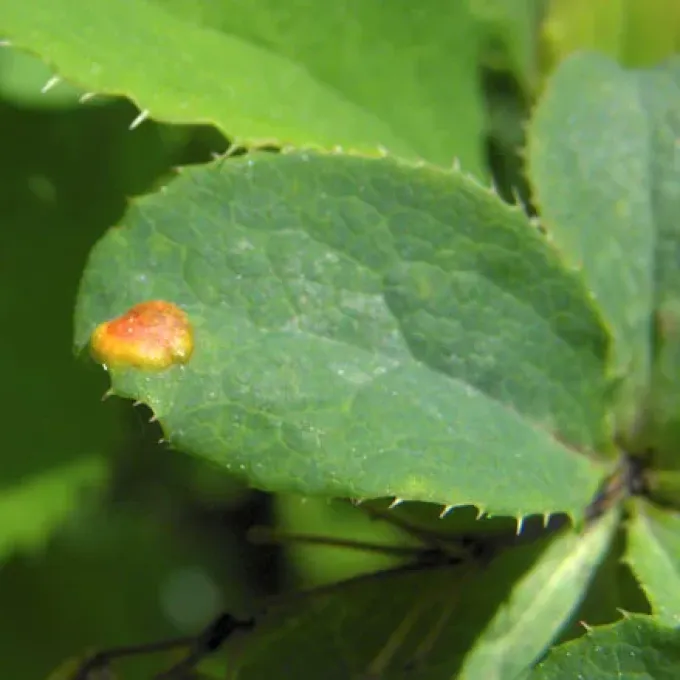
The initial symptom of infection is the appearance of small, raised pustules known as uredinia on the leaves and leaf sheaths. These pustules typically exhibit a distinct brown or rusty-brown color.
Pustules are often arranged in parallel rows along the leaf veins, which is a classic visual identifier for many rust fungi. As the infection progresses, the area around the pustules may turn yellow or chlorotic.
Later in the season, the uredinia may be replaced or accompanied by dark, almost black telia. This transition signifies the fungus entering its survival phase, preparing for the upcoming cold season.
In cases of severe infestation, the leaves may wither and dry out prematurely. This loss of photosynthetic surface area significantly impacts the overall health and vigor of the affected grass.
Visual identification can be challenging as symptoms overlap with other rust species. Accurate diagnosis often requires microscopic observation of the spore morphology to confirm the identity of the pathogen.
Pathogen
The causal agent of this disease is Puccinia brachypodii, a specialized fungal pathogen belonging to the Basidiomycota phylum. As an obligate parasite, it relies entirely on its host plants for nutrition and survival.
The fungus exhibits a complex life cycle, which may involve the formation of different spore types. During the winter months, the pathogen frequently survives as mycelium or dormant spores within the tissues of perennial grasses.
Urediniospores are the primary means of dispersal during the growing season. Carried by wind currents over long distances, they can land on healthy host plants and initiate new infection cycles rapidly.
Once the spore germinates on a leaf surface, the germ tube penetrates the plant through the stomata. Inside the tissue, the fungus develops a dense mycelium network that draws nutrients from the host cells.
Puccinia brachypodii is highly adapted to various ecological niches, allowing it to maintain a presence in natural wild grass populations even when agricultural hosts are absent.
Conditions for development
The development of brown rust is heavily influenced by humidity and temperature. Optimal conditions for fungal growth occur at moderate temperatures ranging from 15°C to 22°C combined with high moisture levels.
Dew, fog, and frequent rainfall provide the essential film of water on the leaf surface required for spore germination. Without this moisture, the fungus cannot successfully penetrate the host tissue.
Dense vegetation or poorly ventilated fields create microclimates where humidity remains high for extended periods, significantly accelerating the spread of the disease.
Unusually wet spring and summer seasons are major precursors to widespread outbreaks (epiphytotics). During such periods, the rate of spore production increases exponentially.
While extremely high temperatures and dry conditions can inhibit the fungus, the spores are remarkably resilient and can persist in the environment, waiting for the return of favorable weather.
Why it matters
The primary economic impact of brown rust is the reduction in biomass production. The disease causes significant physiological stress to the plant, limiting its growth and development.
Infected forage grasses suffer a decline in nutritional quality, including lower concentrations of proteins and essential sugars, making them less valuable for livestock consumption.
Persistent infection weakens the root system, making grasses less resilient to other environmental stressors such as drought, frost, or poor soil conditions.
In pasture ecosystems, chronic infection leads to the gradual decline of susceptible grass species, which are eventually replaced by less desirable vegetation or weeds.
The loss of yield in hay production and grazing efficiency can lead to significant financial losses for farmers who rely on healthy, high-producing grassland resources.
Protection
The most effective strategy to manage brown rust is the use of resistant or tolerant plant varieties. Breeding programs focus on identifying genetic resistance to minimize the impact of the pathogen.
Good agricultural practices, such as regular mowing, are essential to prevent the accumulation of fungal spores and to reduce the overall disease pressure in the field.
Proper canopy management, including adequate spacing and sowing rates, improves air circulation and reduces leaf wetness, thereby creating a less favorable environment for the fungus.
For high-value seed crops, the strategic application of systemic fungicides can be employed to control outbreaks and protect the plant tissues from further colonization.
Removing wild grasses that act as reservoirs for the pathogen around the fields helps to break the disease cycle and lowers the risk of primary infection entering the crop area.
Discussion
No discussions yet — be the first.