
Pseudopyrenochaeta
Pseudopyrenochaeta
Description
Symptoms
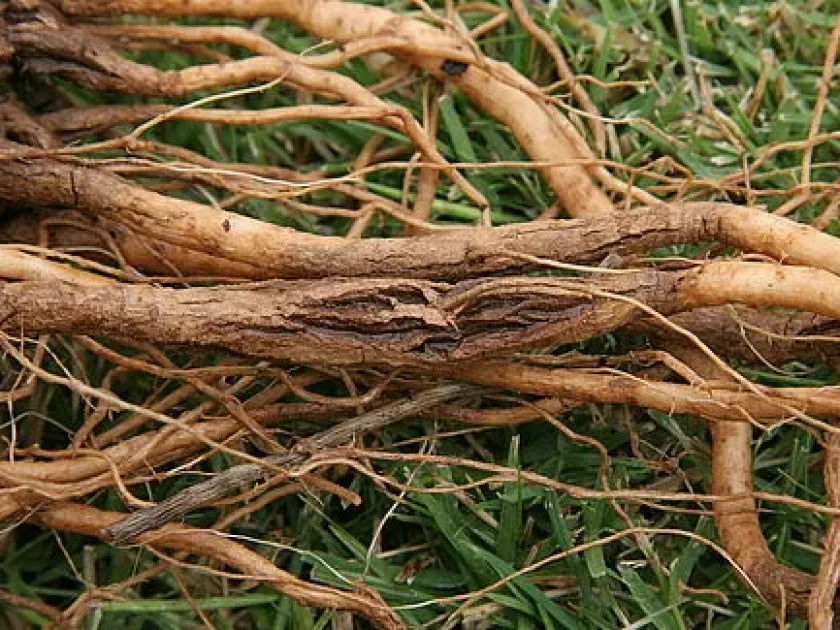
The earliest symptom of Pseudopyrenochaeta infection is the appearance of brownish or dark lesions on the roots. These spots often enlarge and coalesce, eventually turning the root system black or dark brown as necrosis progresses.
Symptoms in the aerial part of the plant appear as stunting, chlorosis, and drooping. Plants often show signs of water stress during the hottest part of the day, as the compromised root system fails to meet the plant’s transpiration demands.
Under magnification, the presence of pycnidia is a hallmark of the disease. These tiny, black, flask-shaped structures appear on the surface of rotting roots or lower stems and are visible evidence of the fungus’s reproductive activity.
In cases of severe infection, the root system becomes extremely fragile and brittle. When uprooted, the plant may show a complete loss of fine root hairs, which effectively prevents the plant from absorbing necessary minerals from the soil.
In humid microclimates, a fine, greyish fungal mycelium may develop on the surface of the affected roots. This layer produces spores that facilitate the spread of the pathogen to neighboring healthy plants through irrigation water or contact.
Pathogen
The disease is caused by a fungal pathogen belonging to the genus Pseudopyrenochaeta. This fungus has been taxonomically reclassified in recent years, separating it from the wider Pyrenochaeta group, which is critical for accurate identification and laboratory diagnosis.
Pseudopyrenochaeta is classified among the mitosporic fungi. It reproduces via conidia formed inside small, dark structures known as pycnidia. These pycnidia are essential for the fungus to persist in soil and crop debris over several seasons.
The fungus is characterized by strong saprotrophic capabilities, allowing it to thrive in organic matter. Its ability to remain dormant in the soil for extended periods makes it a persistent threat that is difficult to eradicate through simple cultivation practices.
Infection begins when the fungus colonizes the root hairs or the crown region of the plant. Once established, the mycelium penetrates into the vascular tissue, effectively obstructing the transport of water and nutrients, which eventually leads to the wilting of the plant.
Genetic plasticity is a key feature of this pathogen, allowing different strains to adapt to varying soil conditions and host species. This makes it a significant challenge for researchers and farmers seeking durable resistance in crops.
Conditions for development
High soil moisture is the primary driver for Pseudopyrenochaeta development. Conditions characterized by stagnant water, poor drainage, or excessive overhead irrigation significantly increase the likelihood of infection.
The temperature range optimal for the fungus is between 18°C and 25°C. Within this range, the mycelial growth rate is maximized, leading to faster colonization of the host tissue and more severe symptom development in crops.
Poor soil aeration acts as an exacerbating factor. Soils that are compacted or have low oxygen levels at the root zone place plants under physiological stress, making them significantly more vulnerable to pathogenic fungal attacks.
High plant density is another risk factor, particularly in greenhouse cultivation. Reduced airflow between plants results in higher humidity levels at the soil surface, providing a perfect environment for sporulation and subsequent infection.
The presence of un-decomposed plant residues in the soil provides a continuous substrate for the fungus. Therefore, incomplete sanitation of previous crops creates a higher inoculum density for the following planting cycle.
Why it matters
The economic impact of Pseudopyrenochaeta is substantial, as it can cause significant yield reductions ranging from 20% to 50%. The cumulative effect of root destruction reduces the plant's capacity to reach full maturity and yield potential.
Product quality is often compromised, as roots or fruits from infected plants frequently fail to meet market standards. Furthermore, such produce has reduced shelf life due to increased susceptibility to secondary rot-causing bacteria and fungi.
The pathogen weakens the host plant, rendering it more susceptible to secondary infections. This cascading effect often leads to the total loss of the crop, as the weakened plant cannot mount an effective defense against opportunistic diseases.
Costs for farmers rise due to the need for continuous monitoring and the application of chemical or biological control agents. These additional inputs increase the overall production cost while potentially complicating residue management.
Continuous cropping of sensitive species on infested soil often leads to long-term site degradation. Over time, the soil becomes "sick," requiring expensive intervention or deep soil sterilization to restore its suitability for productive agriculture.
Protection
Strategic crop rotation is the most effective management tool. By introducing non-host crops into the rotation cycle, farmers can significantly reduce the pathogen population density in the soil, effectively starving out the fungus.
Sanitation practices are critical for reducing the initial inoculum. Removing diseased plants along with their immediate root zones, and cleaning all tools after working with infested soil, helps contain the spread of the disease within the field.
Optimizing irrigation is essential to prevent excess moisture. Using modern irrigation technologies that deliver water directly to the root zone can help maintain soil moisture at levels that support plant growth but discourage fungal development.
Biological control, particularly the use of Trichoderma species, has shown promise in suppressing Pseudopyrenochaeta. Beneficial fungi can colonize the rhizosphere, effectively outcompeting the pathogen and protecting the roots.
When chemical intervention is required, soil fungicides should be applied preventatively or at the earliest signs of infection. It is important to rotate products with different modes of action to prevent the development of resistant fungal strains.
Discussion
No discussions yet — be the first.