
Pseudoepicoccum
Pseudoepicoccum
Description
Symptoms
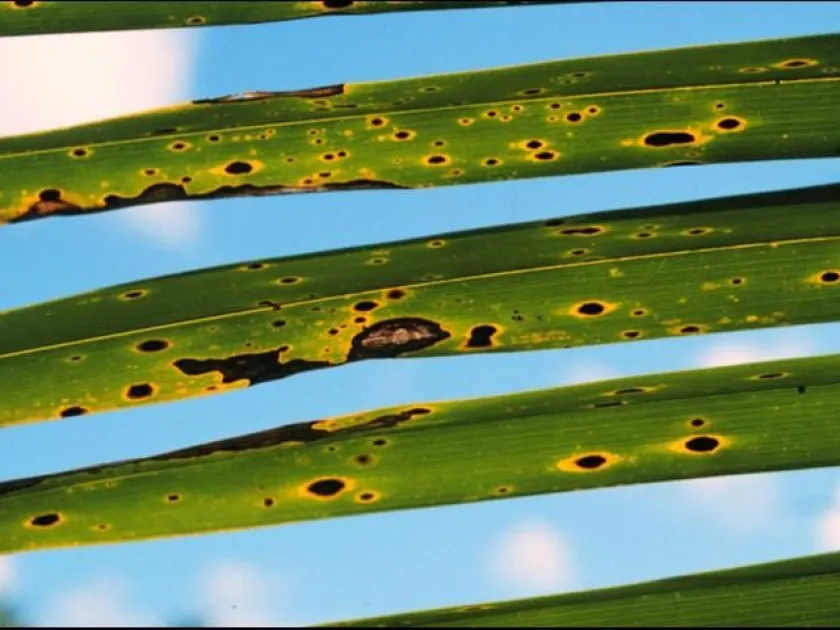
Initial symptoms include the development of small, chlorotic lesions on leaves. As the infection progresses, these lesions expand and change color to brown or necrotic black.
A characteristic sign of the infection is the presence of an olive or dark-colored fungal mat on the surface of the lesions. This mat consists of dense sporulation that releases clouds of spores.
Plants often exhibit stunted growth, wilting, and tissue decay. In severe cases, the entire foliage may turn yellow and prematurely fall, significantly reducing the plant's photosynthetic capacity.
Stem infections can cause localized lesions that weaken the structural integrity of the plant. This may lead to lodging and total failure of the crop in heavily infested fields.
- necrotic leaf lesions;
- dark, dusty spore mats;
- premature defoliation;
- stunting of vegetative parts;
- stem weakness and lodging.
Pathogen
The disease is caused by the fungus Pseudoepicoccum, a member of the Fungi Imperfecti group. This pathogen is known for its specialized spore structures, which allow it to propagate rapidly in conducive environments.
The fungus exists primarily as mycelium and hardy spores, which can overwinter in soil debris. Its ability to remain dormant for long periods makes it a persistent challenge for agricultural managers.
Propagation is facilitated by environmental factors, particularly wind and moisture, which transport spores to susceptible host plants. The pathogen actively secretes enzymes to breach plant cell walls.
Research indicates that Pseudoepicoccum exhibits high adaptability to various environmental conditions. This plasticity complicates efforts to eradicate the pathogen from infected fields.
Microscopic analysis of host tissue reveals complex sporulation patterns. Understanding these patterns is essential for accurate diagnostics and developing targeted treatment protocols.
Conditions for development
High relative humidity and frequent rainfall are the primary drivers of Pseudoepicoccum outbreaks. Moisture on the leaf surface is required for spore germination.
Optimal development occurs in moderate temperatures, generally between 18 and 25 degrees Celsius. These conditions are commonly found during rainy spring and autumn periods.
Overcrowded plantings and poor airflow within the crop canopy create a favorable microclimate for the disease. Stagnant air prevents leaves from drying out after irrigation or rain.
Soil management practices, such as failing to remove infected crop residue, contribute to high pathogen levels in the next season. The fungus thrives on decaying matter left on the field.
Plants stressed by nutrient deficiency or environmental factors are significantly more susceptible to infection. Maintaining overall crop vigor is critical to limiting the disease impact.
Why it matters
The impact of this disease is primarily seen in yield loss, which can reach up to 40% in highly susceptible varieties. Reduced photosynthesis leads to smaller fruits and grains.
Infested crops may develop quality issues, including poor texture and storage shelf life. The presence of fungal toxins can also limit the utility of the crop for animal feed or human consumption.
Increased operational costs arise from the necessity of fungicide applications and additional manual labor for field sanitation. This affects the overall profitability of the farm.
In cases of severe infestation, the death of young seedlings is possible, necessitating field replanting. This leads to additional costs and delays in the production cycle.
The cumulative effect of reduced growth and foliage damage weakens the plant, making it more prone to secondary infections by other opportunistic pathogens.
Protection
Effective management begins with robust crop rotation. Avoiding host crops for several seasons helps deplete the fungal spore population in the soil.
Sanitation practices, including the removal and burning or deep burying of infected crop residues, are vital to reducing the infection source for subsequent cycles.
The use of certified, treated seeds is a recommended preventive measure. Additionally, selecting resistant cultivars provides a strong defense against Pseudoepicoccum.
Fungicide application should be performed as a preventive measure during high-risk windows, such as periods of prolonged wet weather. Alternating fungicide classes prevents resistance development.
Proper agronomic practices, such as maintaining appropriate plant spacing and balanced fertilization, are essential for maintaining host health and reducing disease severity.
Discussion
No discussions yet — be the first.